
Austroraptor
Austroraptor is a genus of dromaeosaurid theropod dinosaur that lived in Argentina during the Late Cretaceous period. It was a large, ground-dwelling carnivore, notable for its relatively short forelimbs and conical, non-serrated teeth. Its discovery provided insights into the diversity of dromaeosaurids in the Southern Hemisphere.
Key Facts
- ›Austroraptor was a large dromaeosaurid, measuring up to 6 meters (20 ft) long and weighing up to 520 kilograms (1,150 lb).
- ›It lived in what is now Argentina during the Campanian and Maastrichtian ages of the Late Cretaceous period.
- ›The dinosaur was a bipedal carnivore with a low, elongated skull and conical, non-serrated teeth.
- ›A distinguishing feature of Austroraptor is its relatively short forelimbs compared to other dromaeosaurids.
- ›It is classified within the subfamily Unenlagiinae, a group of dromaeosaurids found in the Southern Hemisphere.
- ›Fossil evidence suggests unenlagiines, including Austroraptor, may have been adept runners and potentially consumed fish.

- Large, moderately-built, ground-dwelling theropod
- Low and elongated skull, approximately 80 cm long
- Conical, non-serrated teeth with fluted enamel
- Relatively short forelimbs compared to other dromaeosaurs
- Bizarre toe morphology, with the 4th toe being significantly wider than the 2nd
Buitreraptor, Adasaurus, Tianyuaraptor, Zhenyuanlong, Mahakala, Ypupiara
Argentina
About Austroraptor
Austroraptor is a genus of dromaeosaurid theropod dinosaur that roamed the earth during the Campanian and Maastrichtian ages of the Late Cretaceous period. Its fossil remains have been discovered in what is now Argentina, making it one of the most significant dinosaur finds from the Southern Hemisphere. The genus name, Austroraptor, translates to "Southern Thief," reflecting its geographical origin and predatory nature.
Discovery and Naming
The type specimen of Austroraptor cabazai, designated MML-195, was unearthed in the Río Negro province of Argentina. Recovered from the Allen Formation, this holotype consists of a fragmented skeleton, including parts of the skull, jaw, vertebrae, ribs, a humerus, and leg bones. The species was formally named and described in 2008 by Fernando Emilio Novas and his colleagues. The genus name "Austroraptor" combines the Latin "auster" (south wind) with "raptor" (thief). The species name, "cabazai," honors Héctor "Tito" Cabaza, who played a role in the early study of the specimen.
Physical Characteristics and Paleobiology
Austroraptor was a large, ground-dwelling, bipedal carnivore. Estimates place its length between 5 to 6 meters (16 to 20 feet) and its weight between 300 to 520 kilograms (660 to 1,150 pounds), positioning it as one of the largest paravians known. Its skull was notably low and elongated, measuring around 80 cm (31 inches). A distinctive feature of Austroraptor is its conical, non-serrated teeth, which differ from the serrated teeth common in many other dromaeosaurs. The forelimbs of Austroraptor were relatively short for a dromaeosaur, a characteristic that sets it apart from many of its relatives. While the exact function of these short arms is debated, it suggests a different hunting strategy compared to dromaeosaurs with longer, more robust forelimbs. Research suggests that unenlagiines, the group to which Austroraptor belongs, possessed enhanced running capabilities and may have pursued prey over long distances. The conical teeth and hindlimb structure of Austroraptor have led some scientists to propose that it may have consumed fish as a significant part of its diet.
Classification and Paleoecology
Phylogenetic analyses place Austroraptor within the Unenlagiinae subfamily of Dromaeosauridae. This subfamily is primarily known from Gondwanan continents, differentiating it from the more widely distributed Laurasian dromaeosaurs. Austroraptor shared its Late Cretaceous environment in Argentina with a diverse array of other dinosaurs, including abelisaurids like Quilmesaurus and Aucasaurus, and various titanosaurs. Its presence indicates that large coelurosaurs had become prominent predators in the ecosystem by the end of the Cretaceous period, possibly filling ecological niches left by declining carcharodontosaurids. The discovery of Austroraptor has been crucial in understanding the ecological and morphological diversity within the Unenlagiinae, demonstrating a range of body sizes and adaptations within the group.
Source: Wikipedia ↗
Frequently Asked Questions
What does the name Austroraptor mean?
The genus name Austroraptor means "Southern Thief." It is derived from the Latin word "auster" meaning "the south wind" and "raptor" meaning "thief."
When and where did Austroraptor live?
Austroraptor lived during the Campanian and Maastrichtian ages of the Late Cretaceous period, approximately 78 to 66 million years ago. Its fossils have been found in what is now Argentina.
What did Austroraptor eat?
Austroraptor was a carnivore. While its exact prey is unknown, its conical, non-serrated teeth suggest it may have hunted larger prey than other unenlagiines and possibly consumed fish.
What were the most distinctive physical features of Austroraptor?
Austroraptor was characterized by its large size, low and elongated skull, and notably short forelimbs relative to its body size. Its teeth were conical and lacked serrations, unlike many other dromaeosaurs.
Is Austroraptor considered a large dinosaur?
Yes, Austroraptor is considered one of the largest paravians known. It measured around 5–6 meters (16–20 ft) in length and weighed up to 520 kilograms (1,150 lb), making it one of the largest dromaeosaurs discovered in the Southern Hemisphere.
What is the significance of Austroraptor's classification?
Austroraptor is classified within the Unenlagiinae subfamily of dromaeosaurids. This classification highlights the diversity of dromaeosaurids in Gondwana and suggests that large dromaeosaurs played a role as apex predators alongside abelisaurids in the Late Cretaceous.
Related Dinosaur species

Aerosteon
Aerosteon was a megaraptoran dinosaur that lived in Argentina during the Late Cretaceous period. Its name, meaning "air bone," refers to the bird-like respiratory system evident in its fossilized remains, which included air-filled spaces in its bones. This unique feature suggests a sophisticated breathing mechanism similar to that of modern birds.
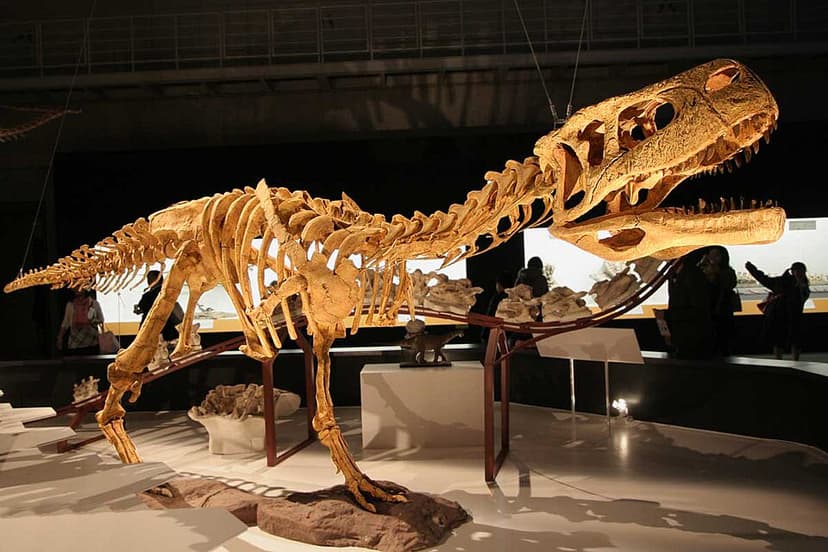
Aucasaurus
Aucasaurus is a genus of medium-sized abelisaurid theropod dinosaur that lived in Argentina during the Late Cretaceous period. It was characterized by its extremely reduced arms and lack of fingers, and possessed low ridges above its eyes instead of horns. The type specimen is well-preserved, offering significant insight into its anatomy.
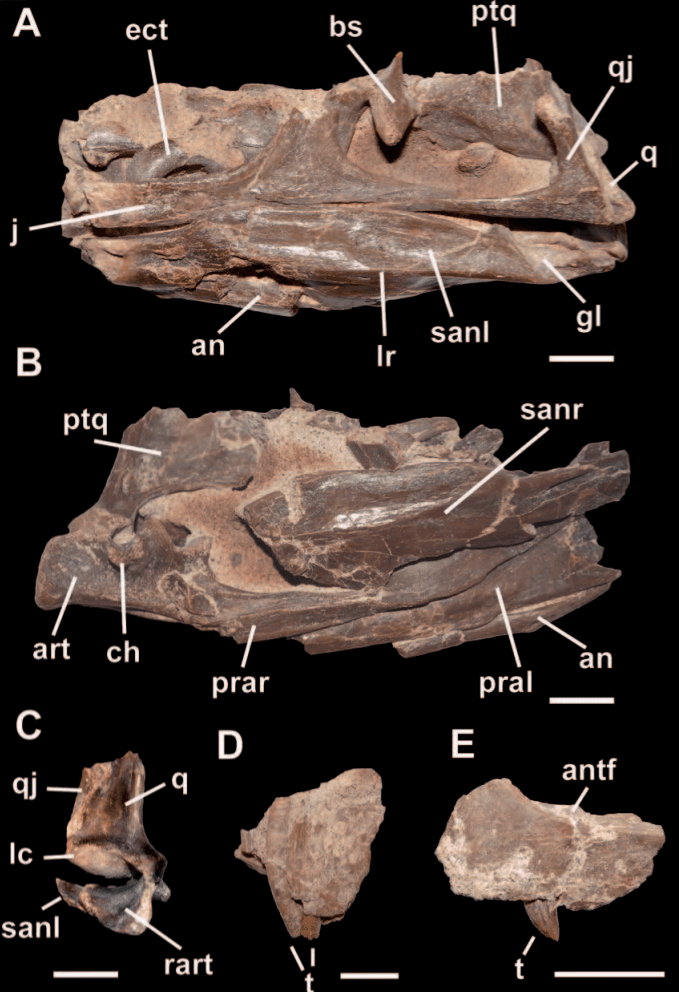
Bicentenaria
Bicentenaria argentina was a small, bipedal carnivorous dinosaur that lived during the early Late Cretaceous period in what is now Argentina. Its scientific name commemorates the 200th anniversary of Argentina's May Revolution. Discovered in the Candeleros Formation, its fossils include skull fragments, vertebrae, limb bones, and claws.