
Ankistrodon
Ankistrodon is an extinct genus of archosauriform that lived during the Early Triassic period. Initially believed to be a theropod dinosaur, it was later reclassified as a proterosuchid. The genus is considered a nomen dubium by some authorities due to its indistinguishable teeth from those of Proterosuchus.
Key Facts
- ›Lived during the Early Triassic period.
- ›Fossils discovered in the Panchet Formation of India.
- ›Initially misidentified as a theropod dinosaur.
- ›Later classified as a proterosuchid, an early archosaur group.
- ›Type species is Ankistrodon indicus.
- ›Considered a nomen dubium by some researchers.
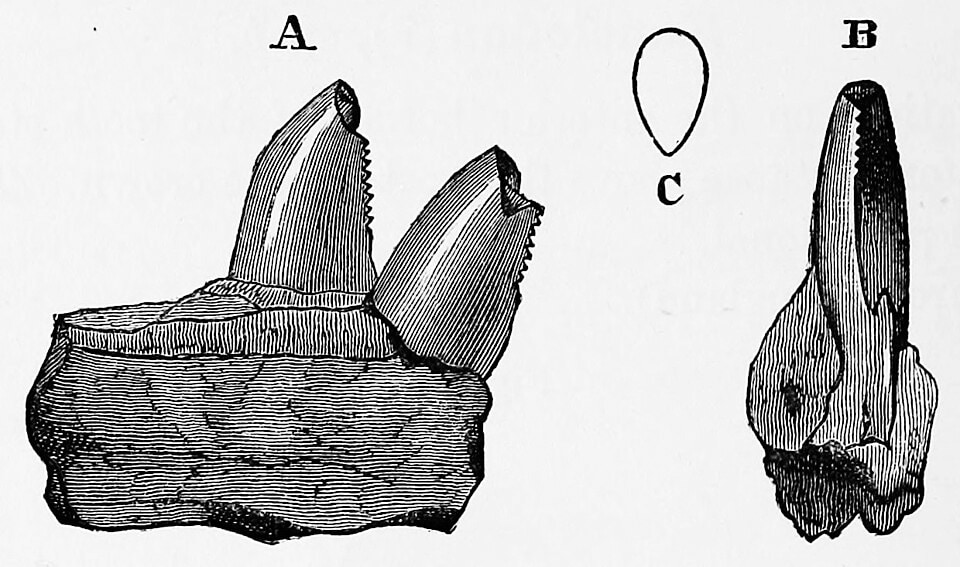
- Possessed teeth that are indistinguishable from Proterosuchus.
Proterosuchus, Samsarasuchus
India
About Ankistrodon
Ankistrodon is an extinct genus of archosauriform that roamed the Earth during the Early Triassic period. Its fossil remains have been unearthed in the Panchet Formation of India. Initially, scientists believed Ankistrodon to be a theropod dinosaur, a group characterized by its predatory, bipedal members. However, subsequent research led to its reclassification as a proterosuchid, placing it within an earlier and more primitive lineage of archosauriforms.
Classification and Naming
The type species, Ankistrodon indicus, was formally described by the renowned British zoologist Thomas Henry Huxley in 1865. Over time, classifications have evolved. One authority in the 1970s even considered Ankistrodon to be a senior synonym for the genus Proterosuchus, suggesting they might represent the same animal. However, a more recent assessment in 2023 by Ezcurra found Ankistrodon to be a nomen dubium (a dubious name). This designation stems from the fact that its fossilized teeth are indistinguishable from those of Proterosuchus. In the same study, Samsarasuchus, another Indian proterosuchid from the same formation, was described, and Ankistrodon was noted as the only valid proterosuchid from India.
Significance
While the taxonomic status of Ankistrodon remains debated, its discovery contributes to our understanding of early archosauriform evolution in Gondwana during the Triassic. The presence of proterosuchids like Ankistrodon and Samsarasuchus in the Indian subcontinent highlights the geographic distribution and diversification of these important reptiles in the aftermath of the Permian-Triassic extinction event.
Source: Wikipedia ↗
Frequently Asked Questions
What is Ankistrodon?
Ankistrodon is an extinct genus of archosauriform, an early group of reptiles closely related to the ancestors of crocodiles and dinosaurs. It is known from fossils found in India.
When did Ankistrodon live?
Ankistrodon lived during the Early Triassic geological period, a time when early archosauriforms were diversifying.
Where were Ankistrodon fossils found?
Fossils of Ankistrodon have been discovered in the Panchet Formation, located in India.
What kind of animal was Ankistrodon thought to be?
Initially, Ankistrodon was believed to be a theropod dinosaur, a group that includes famous predators like Tyrannosaurus rex. However, further study reclassified it.
What is Ankistrodon's current classification?
Ankistrodon is now classified as a proterosuchid, which is a family of early archosauriforms. Some paleontologists consider the genus a nomen dubium because its teeth are very similar to those of Proterosuchus.
Related Dinosaur species
Alwalkeria
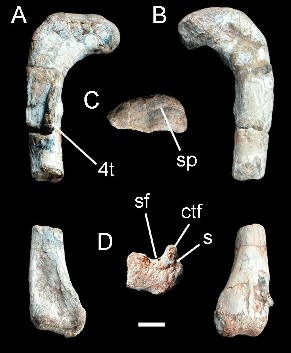
Alwalkeria is a genus of extinct avemetatarsalian from the Late Triassic of India. Originally described as a theropod dinosaur, subsequent research has revealed its fossil material to be chimaeric, belonging to multiple unrelated taxa. Its precise classification remains uncertain, with current interpretations placing it within Avemetatarsalia of indeterminate placement.

Barapasaurus
Barapasaurus is a genus of basal sauropod dinosaur that lived in India during the Early to Middle Jurassic period. It is notable for being one of the earliest and most completely known sauropods, with fossil evidence from at least six individuals providing a near-complete skeleton except for the skull and front neck vertebrae. Its name, meaning "big-legged lizard," reflects its substantial size and build.

Bruhathkayosaurus
Bruhathkayosaurus is a genus of titanosaur sauropod dinosaur discovered in India, known from fragmentary remains. While initially described as a theropod, later analysis suggested it was a massive herbivore. Estimates suggest it may have been one of the largest land animals ever to have lived, potentially rivaling the blue whale in size.