
Amargasaurus
Amargasaurus is a genus of sauropod dinosaur that lived in what is now Argentina during the Early Cretaceous epoch. It is distinguished by two parallel rows of tall spines running down its neck and back, a feature unique among known sauropods. While relatively small for a sauropod, Amargasaurus was a herbivore with a body plan typical of its group, characterized by a long tail, short neck, and barrel-shaped trunk.
Key Facts
- ›Amargasaurus lived during the Early Cretaceous period, approximately 130 to 120 million years ago.
- ›Its most distinctive feature was the presence of two parallel rows of tall, bifurcated spines along its neck and back.
- ›Fossils were discovered in the La Amarga Formation of Argentina.
- ›It was a herbivore, likely feeding at MID-height.
- ›Amargasaurus was relatively small for a sauropod, measuring between 9 and 13 meters in length.

- Estimated length of 9 to 13 meters.
- Estimated weight of 2.5–4 metric tons.
- Possessed two parallel rows of tall, bifurcated spines on its neck and anterior dorsal vertebrae.
- Shorter neck compared to most other sauropods.
- Typical sauropod body plan with a long tail, small head, and barrel-shaped trunk.
- Forelimbs were somewhat shorter than hind limbs.
Dicraeosaurus, Brachytrachelopan, Suuwassea, Pilmatueia, Amargatitanis, Bajadasaurus
Argentina
About Amargasaurus
Amargasaurus is a genus of sauropod dinosaur that roamed the Earth during the Early Cretaceous epoch, approximately 130 to 120 million years ago. Its fossils have been unearthed in what is now Argentina, specifically within the La Amarga Formation. The discovery of a nearly complete skeleton, including a partial skull, has made Amargasaurus one of the better-understood sauropods from this period.
Physical Characteristics and Distinguishing Features
Amargasaurus possessed the characteristic long tail and neck, small head, and barrel-shaped trunk typical of sauropods. However, it was relatively small for its group, with estimated lengths ranging from 9 to 13 meters (30 to 43 feet) and weighing between 2.5 to 4 metric tons.
The most remarkable feature of Amargasaurus was the presence of two parallel rows of exceptionally tall, bifurcated neural spines running along its neck and the anterior part of its back. These spines were significantly taller than those found in any other known sauropod. Their exact function remains a subject of scientific debate, with theories suggesting they may have been used for display, defense against predators, or to intimidate rivals. Some researchers have proposed that these spines supported a skin sail or were covered by a keratinous sheath.
Diet and Habitat
Amargasaurus was a herbivore. Evidence from its inner ear and neck vertebrae suggests it likely fed at mid-height. The habitual orientation of its head indicates a feeding posture with its snout approximately 80 centimeters (31 inches) above the ground, reaching a maximum height of about 2.7 meters (8.9 feet). It shared its environment with at least three other sauropod genera, suggesting a diverse ecosystem where different species may have exploited various food sources to minimize competition.
Discovery and Classification
The sole known skeleton of Amargasaurus was discovered in 1984 during an expedition led by paleontologist José Bonaparte. The official description of the genus and its single species, Amargasaurus cazaui, was published in 1991 by Leonardo Salgado and Bonaparte. The genus name Amargasaurus refers to the La Amarga Arroyo, the site of its discovery, while the species name honors Luis Cazau, who informed the research team about the paleontological importance of the region.
Within the sauropod family tree, Amargasaurus is classified as a member of the Dicraeosauridae family. This group is characterized by shorter necks and smaller body sizes compared to many other sauropods. Amargasaurus was the first dicraeosaurid known from the Cretaceous period, though other related species have since been identified from the same epoch.
Source: Wikipedia ↗
Frequently Asked Questions
When did Amargasaurus live?
Amargasaurus lived during the Early Cretaceous epoch, with its fossils dating back to approximately 130 to 120 million years ago. This places it in the Barremian and Aptian stages of the Cretaceous period.
What is the most distinctive feature of Amargasaurus?
The most striking characteristic of Amargasaurus is the presence of two parallel rows of exceptionally tall, bifurcated spines that ran down its neck and back. These spines were taller than those of any other known sauropod.
Where were Amargasaurus fossils found?
The only known skeleton of Amargasaurus was discovered in sedimentary rocks of the La Amarga Formation in Argentina. This formation is located in the Picún Leufú Department of Neuquén Province in northern Patagonia.
What did Amargasaurus eat?
Amargasaurus was a herbivore. Analysis of its inner ear and neck vertebrae suggests it likely fed at mid-height, with its snout habitually positioned about 80 centimeters above the ground.
How large was Amargasaurus?
Amargasaurus was considered small for a sauropod, reaching an estimated length of 9 to 13 meters (30 to 43 feet). It weighed approximately 2.5 to 4 metric tons.
What was the function of Amargasaurus's spines?
The exact function of Amargasaurus's spines is debated. Theories suggest they could have been used for display, defense against predators, or for intimidating rivals. Some studies propose they supported a neck sail or were covered by a keratinous sheath.
Related Dinosaur species

Aeolosaurus
Aeolosaurus was a genus of titanosaurian sauropod dinosaur that lived in South America during the Late Cretaceous Period. Characterized by a long neck and tail, it was a quadrupedal herbivore. The genus is well-represented, with remains from several individuals belonging to at least two species, though no skull material has been recovered.
Amygdalodon
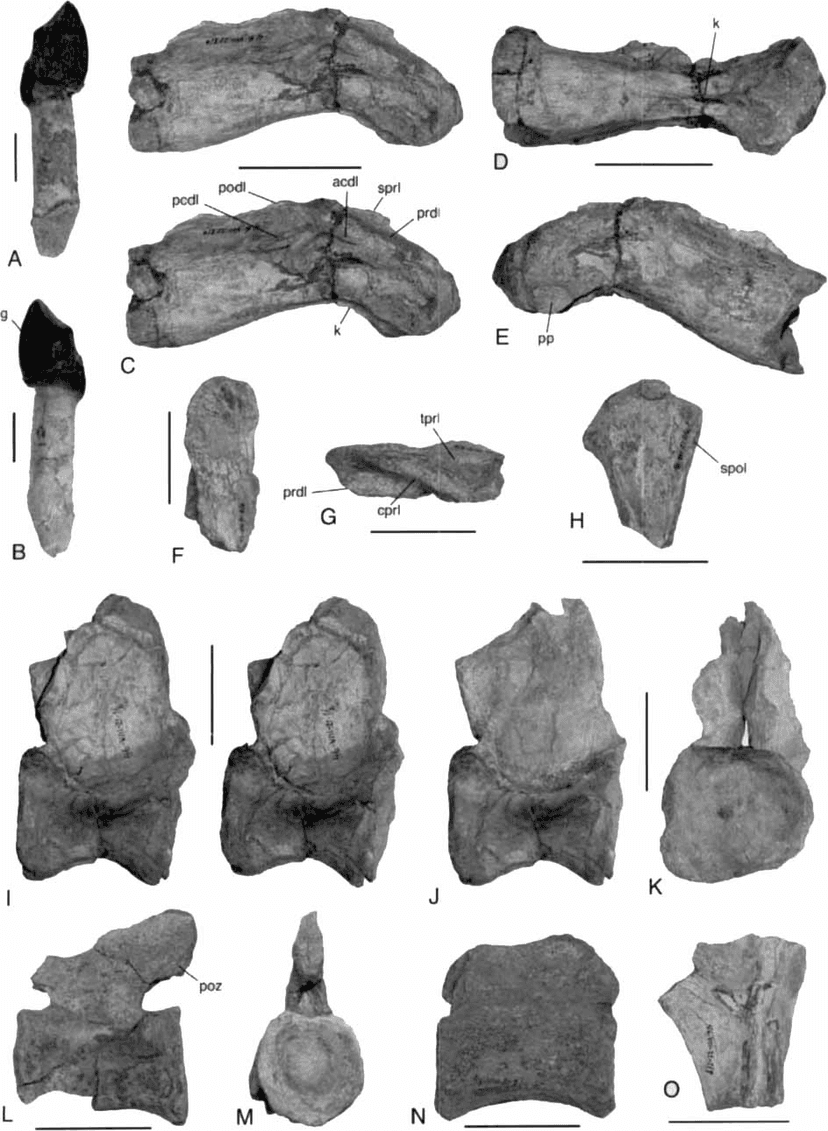
Amygdalodon was a basal sauropod dinosaur that lived in Argentina during the Early Jurassic period. It is known from fragmentary remains, including teeth, vertebrae, ribs, and parts of the pelvis and shoulder blade. Despite its limited fossil record, Amygdalodon provides insights into early sauropod evolution in South America.
Andesaurus
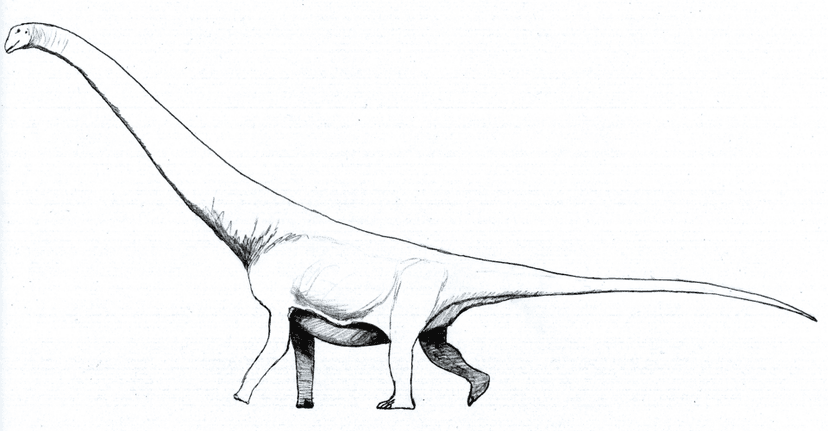
Andesaurus is a genus of basal titanosaurian sauropod dinosaur that lived in South America during the middle Cretaceous Period. Characterized by its long neck, long tail, and medium size for a sauropod, Andesaurus is considered one of the most primitive members of the Titanosauria clade. Its fossils have been discovered in Argentina.