
Condorraptor
Condorraptor is an extinct genus of theropod dinosaur that lived during the Early Jurassic period in what is now Argentina. It was one of the earliest large South American theropods, characterized by unique anatomical features in its vertebrae and tibia. Its genus name translates to 'robber from Cerro Condor,' reflecting its predatory nature and discovery location.
Key Facts
- ›Condorraptor was a megalosauroid theropod dinosaur from the Early Jurassic.
- ›Fossils were discovered in the CañADón Asfalto Formation of Argentina.
- ›It is considered one of the earliest large theropods found in South America.
- ›The type species, Condorraptor currumili, is known from a partial skeleton including a tibia.
- ›It shared similarities with Piatnitzkysaurus, another theropod from the same formation.

- Juvenile estimated length: 4.5 meters
- Juvenile estimated weight: 200 kg
- Possessed a tibia with a shallow depression at the base of the cnemial crest.
- Had a metatarsal IV with a distinct dorsal step.
- Anterior presacral centra featured a flat anterior surface, a trait shared with Piatnitzkysaurus.
Piatnitzkysaurus
South America
About Condorraptor
Condorraptor is an extinct genus of megalosauroid theropod dinosaur that roamed the Earth during the Early Jurassic period. Its fossils were unearthed in the Cañadón Asfalto Formation of Argentina, making it one of the earliest large theropods discovered on the South American continent. The genus name, "Condorraptor," translates to "robber from Cerro Condor," referencing a nearby village and its presumed predatory lifestyle, while the species name, "currumili," honors Hipolito Currumil, the landowner and discoverer of the fossil locality.
Description and Classification
The holotype specimen of Condorraptor currumili consists of a left tibia, accompanied by an associated partial skeleton that likely belongs to the same individual. This material includes vertebrae, teeth, rib fragments, partial hip bones, femurs, a metatarsal IV, and a pedal phalanx. While initially described as a basal tetanuran, later analyses, notably by Benson in 2010, classified Condorraptor as a piatnitzkysaurid megalosauroid. It is considered the sister taxon to Piatnitzkysaurus, another theropod from the same formation, a relationship supported by subsequent studies.
Condorraptor exhibits unique anatomical features that distinguish it from other megalosauroids. These include a specific type of pleurocoel in the anterior cervical vertebrae, a shallow depression on the lateral surface of the tibia at the base of the cnemial crest, and a metatarsal IV with a distinctive dorsal step. The type specimen was a juvenile, estimated to be about 4.5 meters long and weighing around 200 kg. While a fragmentary partial skull has been tentatively attributed to Condorraptor, its definitive classification is still subject to ongoing research.
Source: Wikipedia ↗
Frequently Asked Questions
What does the name Condorraptor mean?
The genus name Condorraptor means 'robber from Cerro Condor'. This name references a nearby village and its predatory nature, suggesting it was a hunter.
Where were Condorraptor fossils found?
Condorraptor fossils have been discovered in the Cañadón Asfalto Formation, located in the Cañadón Asfalto Basin of Argentina. This region is significant for its Early Jurassic dinosaur fauna.
What period did Condorraptor live in?
Condorraptor lived during the Early Jurassic geological period. This places it among the earlier large theropod dinosaurs to inhabit South America.
What did Condorraptor eat?
As a theropod dinosaur, Condorraptor was a carnivore. Its predatory nature is reflected in its genus name, 'robber', and its classification within the theropod group.
How large was Condorraptor?
The type specimen of Condorraptor was a juvenile estimated to be about 4.5 meters long and weigh approximately 200 kilograms. Adult sizes are not precisely determined but would have been larger.
Is Condorraptor related to other dinosaurs?
Condorraptor is closely related to Piatnitzkysaurus, another theropod dinosaur found in the same formation. They are considered sister taxa within the megalosauroid group.
Related Dinosaur species
Amygdalodon
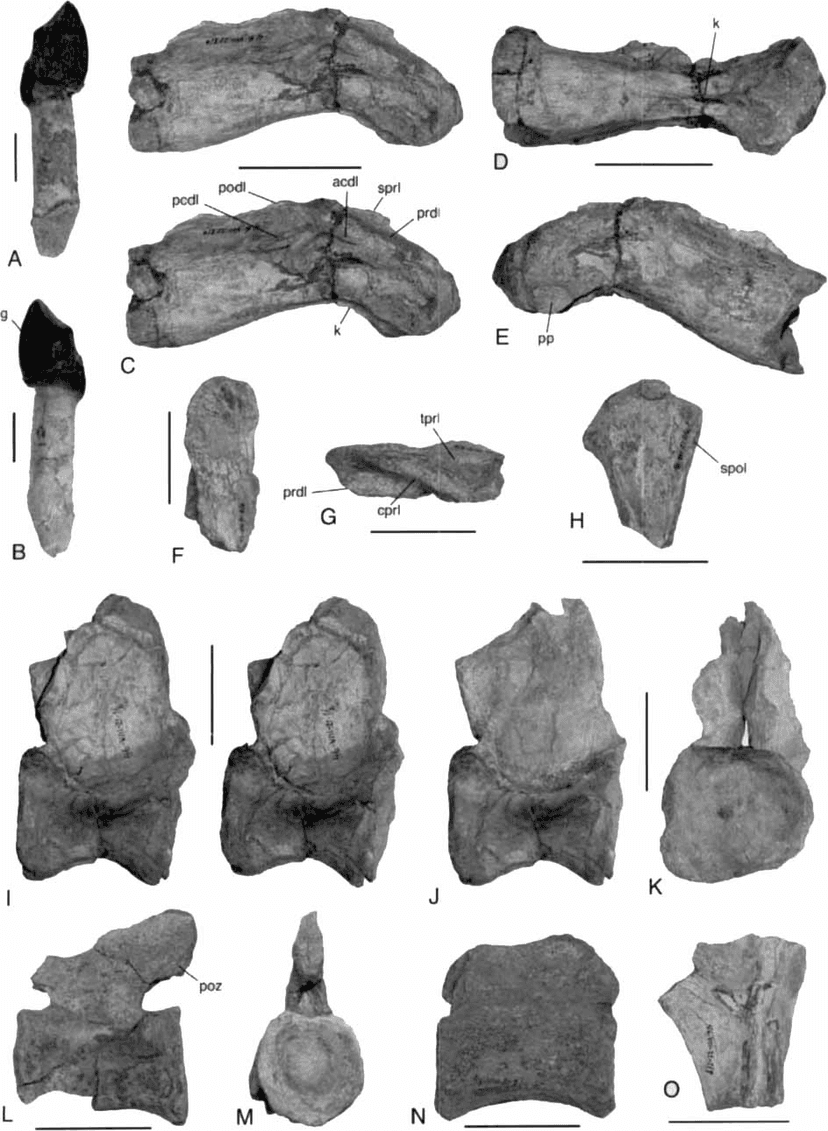
Amygdalodon was a basal sauropod dinosaur that lived in Argentina during the Early Jurassic period. It is known from fragmentary remains, including teeth, vertebrae, ribs, and parts of the pelvis and shoulder blade. Despite its limited fossil record, Amygdalodon provides insights into early sauropod evolution in South America.
Bagualia
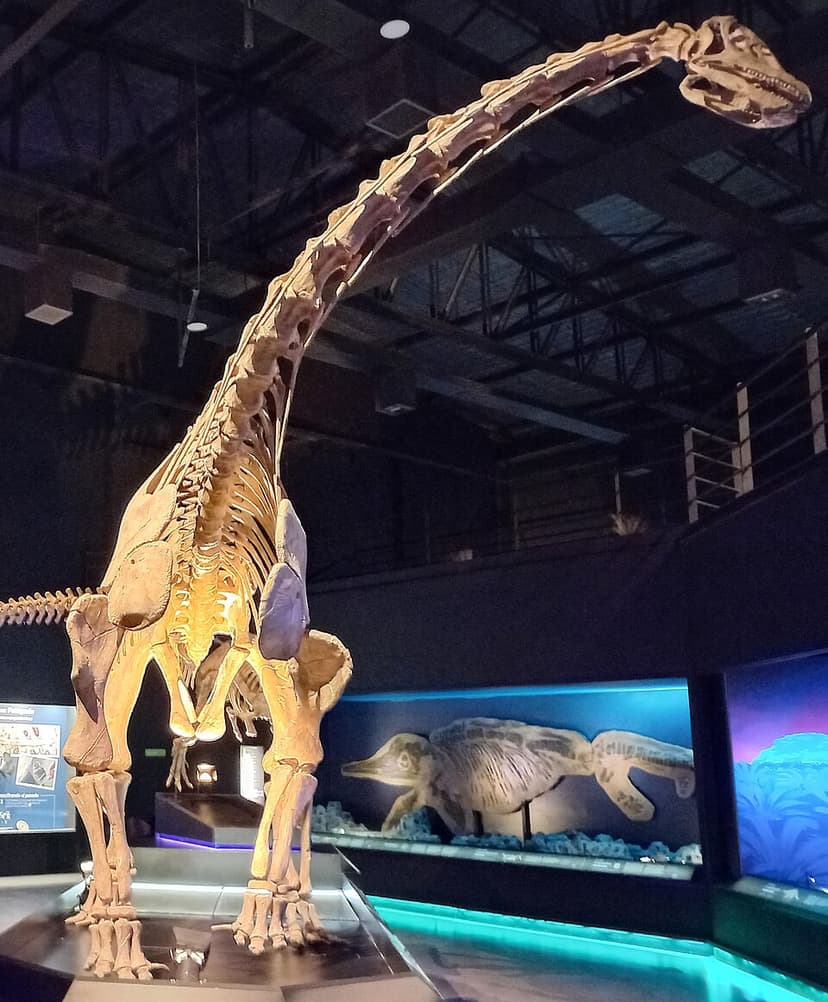
Bagualia is an extinct genus of eusauropod dinosaur that lived during the Early Jurassic period in what is now Argentina. It is significant as the oldest known definitive eusauropod, offering crucial insights into the early evolution of this group. Its robust skull, specialized teeth, and adaptations for quadrupedalism highlight its role in a changing ecosystem.

Aerosteon
Aerosteon was a megaraptoran dinosaur that lived in Argentina during the Late Cretaceous period. Its name, meaning "air bone," refers to the bird-like respiratory system evident in its fossilized remains, which included air-filled spaces in its bones. This unique feature suggests a sophisticated breathing mechanism similar to that of modern birds.