
Anomalipes
Anomalipes is an extinct genus of oviraptorosaurian dinosaurs from the Late Cretaceous period of China. Known from a partial hindlimb, its name, meaning "unusual foot," reflects the peculiar shape of its foot bones. The only known species, Anomalipes zhaoi, was named in honor of Zhao Xijin.
Key Facts
- ›Anomalipes lived during the Late Cretaceous period (Campanian age).
- ›Fossils were discovered in the Wangshi Group of China.
- ›The genus name "Anomalipes" means "unusual foot."
- ›Only a partial hindlimb has been discovered, making its full anatomy uncertain.
- ›It belongs to the Caenagnathid family within the Oviraptorosauria group.
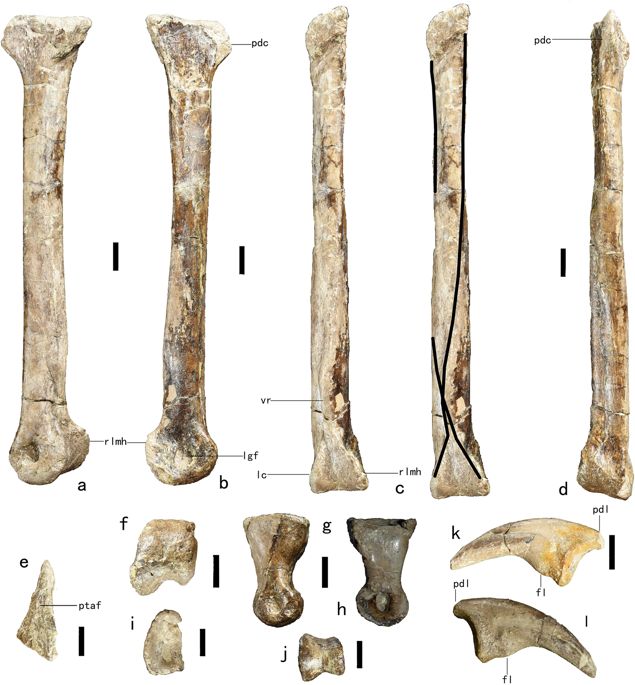
Known from a partial hindlimb., Unusual foot shape.
China
About Anomalipes
Anomalipes is an extinct genus of oviraptorosaurian dinosaurs, specifically belonging to the Caenagnathid family. This dinosaur roamed the Earth during the Late Cretaceous period, specifically the Campanian age. Its fossils have been discovered in China, within the Wangshi Group.
Discovery and Naming
The only known species, Anomalipes zhaoi, is named in honor of Zhao Xijin. The genus name, Anomalipes, is a combination of Latin words meaning "unusual foot," a descriptor chosen due to the unique morphology of its discovered foot bones. The remains were found at the Kugou locality, notably within a bonebed containing fossils of Shantungosaurus.
Fossil Evidence
Our understanding of Anomalipes is based on limited fossil evidence. The holotype specimen consists of an incomplete left hind-limb. This includes portions of the thigh, shin, and shank, along with a complete metatarsal III and two toe bones. Due to the fragmentary nature of the remains, many aspects of its appearance and lifestyle remain unknown.
Source: Wikipedia ↗
Frequently Asked Questions
What does the name Anomalipes mean?
The name Anomalipes is derived from Latin words meaning "unusual foot." This name was chosen due to the peculiar shape of the foot bones discovered for this dinosaur.
When did Anomalipes live?
Anomalipes lived during the Late Cretaceous period, specifically during the Campanian age. This places it among dinosaurs that existed millions of years before the Cretaceous-Paleogene extinction event.
Where were Anomalipes fossils found?
The fossils of Anomalipes were discovered in China, within the Wangshi Group. The discovery site was at Kugou locality, within what is known as a Shantungosaurus bonebed.
What fossils have been found of Anomalipes?
The known fossil material for Anomalipes consists of an incomplete left hind-limb. This includes parts of the thigh, shin, shank, a complete metatarsal III, and two toe bones.
What is Anomalipes zhaoi named after?
The specific name, zhaoi, honors Zhao Xijin. He is recognized for his contributions to paleontology, and the species was named in his honor.
Related Dinosaur species
Aurornis
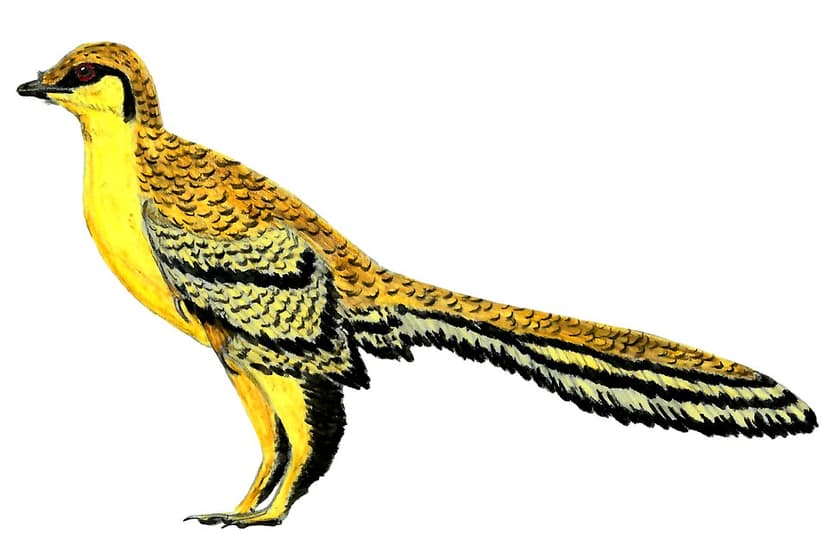
Aurornis is an extinct genus of theropod dinosaur from the Jurassic Period of China, notable for its potential classification as a very early avialan or bird. With an estimated length of 50 cm and resembling a pheasant, it possessed clawed wings and a long bony tail, with fossil evidence suggesting it lived approximately 160 million years ago, predating Archaeopteryx.

Changmiania
Changmiania is a genus of basal ornithopod dinosaur discovered in China, living during the Early Cretaceous period. Known from two near-complete articulated skeletons, it is distinguished by unique anatomical features and a short neck. Its fossils suggest it may have been a burrowing animal, potentially buried alive during a volcanic eruption.

Archaeocursor
Archaeocursor is an extinct genus of basal ornithischian dinosaurs discovered in China and dating to the Early Jurassic period. Known from a single, nearly complete femur, it is the oldest and most basal ornithischian described from Asia. The genus name translates to "old runner," reflecting its likely locomotion and ancient lineage.