
Anoplosaurus
Herbivore·Cretaceous·Cambridgeshire, England·Quadrupedal
Anoplosaurus is an extinct genus of herbivorous dinosaur that lived during the Lower Cretaceous period in what is now England. Initially classified with ornithopods, current understanding places it as a primitive member of the Nodosauridae, a group of armored dinosaurs. Its name, meaning "unarmored lizard," refers to the absence of discovered armor plates, which may be due to the juvenile age of the type specimen.
Key Facts
- ›Lived during the late Albian age of the Lower Cretaceous.
- ›Its name means "unarmored or unarmed lizard."
- ›Originally classified as an ornithopod, it is now considered a nodosaurid ankylosaur.
- ›The type species is Anoplosaurus curtonotus.
- ›Fossils were discovered in Cambridgeshire, England.
- ›Was a quadrupedal, low-slung herbivore.

Quadrupedal, Low-Slung Build, Possible Lack of Armor
Acanthopholis, Polacanthus, Scelidosaurus
England
About Anoplosaurus
Anoplosaurus is an extinct genus of herbivorous dinosaur that roamed the Earth during the Lower Cretaceous period. Its fossils were discovered in Cambridgeshire, England, and the genus was named by Harry Govier Seeley in 1879. The name Anoplosaurus, derived from Greek and Latin, translates to "unarmored or unarmed lizard," a designation stemming from the initial lack of discovered armor plates in its fossil remains.
Classification and Paleobiology
Historically, Anoplosaurus has been classified with different dinosaur groups, including ornithopods and armored dinosaurs. However, current scientific consensus places it within the Ankylosauria, specifically as a primitive member of the Nodosauridae family. This classification suggests that Anoplosaurus was a quadrupedal, low-slung herbivore. The absence of armor on the type specimen is now thought to be due to the individual being a juvenile at the time of its death, as adult nodosaurids typically possessed significant body armor for protection.
Fossil Discoveries and Taxonomy
The type species, Anoplosaurus curtonotus, is known from a disarticulated partial postcranial skeleton. This material includes various bones from the neck, back, sacrum, pectoral girdle, limbs, and feet. While Seeley initially estimated its length at about five feet, suggesting it might be a juvenile, later reexaminations by paleontologists like Xabier Pereda-Suberbiola and Paul Barrett confirmed its ankylosaurian affinities. They selected a piece of the right scapula as the lectotype for the species. Another species, Anoplosaurus major, named by Seeley, is now considered a chimeric taxon, with its fossil material originating from different dinosaur groups.
Source: Wikipedia ↗
Frequently Asked Questions
What does the name Anoplosaurus mean?
The name Anoplosaurus is derived from Greek and Latin words, meaning "unarmored or unarmed lizard." This name was given because no armor plates were discovered with the initial fossil remains.
When did Anoplosaurus live?
Anoplosaurus lived during the Lower Cretaceous period, specifically during the late Albian age. This places its existence roughly between 113 to 100.5 million years ago.
What kind of dinosaur was Anoplosaurus?
Anoplosaurus is now classified as a nodosaurid ankylosaur. This means it was a type of armored dinosaur, characterized by being a quadrupedal, low-slung herbivore.
Where were Anoplosaurus fossils found?
The fossils of Anoplosaurus were discovered in Cambridgeshire, England. The type specimen was uncovered in the area of Reach, Cambridgeshire.
Why was Anoplosaurus called "unarmored" if it was an armored dinosaur?
The name "unarmored lizard" was given because the initial fossil discovery did not include any armor plates. It is now believed that the absence of armor may be due to the individual being a juvenile at the time of its death.
Related Dinosaur species
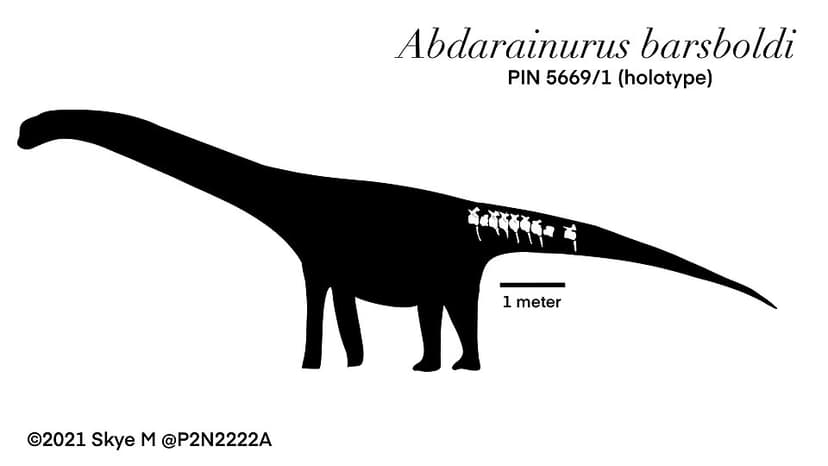
Abdarainurus
Abdarainurus is a genus of titanosaur dinosaur known from the Alagteeg Formation in Mongolia. The only known species, A. barsboldi, is currently considered an indeterminate titanosaur and might represent a previously undocumented lineage of Asian macronarians. Its existence is primarily evidenced by a limited number of tail vertebrae.
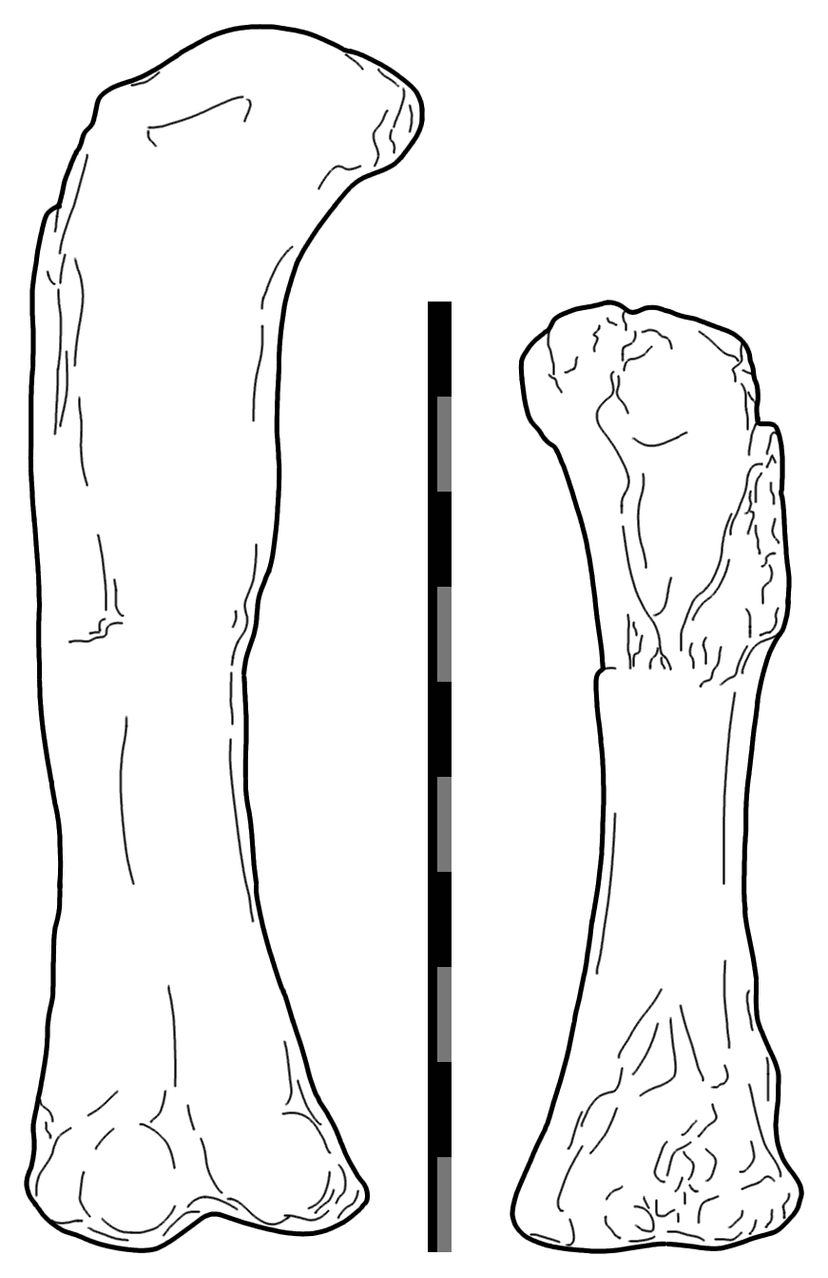
Aegyptosaurus
Aegyptosaurus was a genus of sauropod dinosaur that lived in Africa approximately 95 million years ago during the Late Cretaceous Period. Its fossils, though largely destroyed during World War II, were first discovered in Egypt and have also been found in Niger. The dinosaur is estimated to have been around 15 meters long and weighed about 7 tonnes.

Aepisaurus
Aepisaurus was a genus of sauropod dinosaur that lived in France during the Early Cretaceous period, approximately 100.5 million years ago. It is considered an obscure and poorly understood dinosaur, known only from a single humerus, which is now partially lost. Due to the limited fossil evidence, its exact taxonomic placement remains uncertain.