
Antarctosaurus
Antarctosaurus was a genus of titanosaurian sauropod dinosaurs that lived during the Late Cretaceous Period in South America. The genus is known from several species, though many are considered dubious due to fragmentary remains and taxonomic confusion. The type species, Antarctosaurus wichmannianus, is estimated to have reached about 17 meters in length, while Antarctosaurus giganteus, though poorly known, represents one of the largest dinosaurs ever discovered.
Key Facts
- ›Antarctosaurus means 'southern lizard' and refers to its geographic location.
- ›The genus is primarily known from fossils found in Argentina.
- ›A. wichmannianus is the type species, described in 1929 by Friedrich von Huene.
- ›The species a. giganteus is known from fragmentary remains suggesting immense size.
- ›The taxonomy of Antarctosaurus is complex due to incomplete fossil evidence.
- ›Antarctosaurus belongs to the titanosaurian group of sauropods.

- Large-bodied quadrupedal herbivores.
- Usually possessed a long neck and tail.
- Possessed a small head relative to body size.
- A. wichmannianus estimated length around 17 meters.
- A. gigantus femurs are among the largest of any known sauropod, suggesting immense size.
Jainosaurus, Brasilotitan, Baalsaurus, Bonitasaura, Argyrosaurus
South America
About Antarctosaurus
Antarctosaurus is a genus of titanosaurian sauropod dinosaur that roamed South America during the Late Cretaceous Period. Its name, meaning "southern lizard," reflects its geographic origin and reptilian nature, derived from Greek words "anti-" (opposite of), "arktos" (north), and "sauros" (lizard).
Discovery and Taxonomy
The genus was formally described by paleontologist Friedrich von Huene in 1929, who named the type species, Antarctosaurus wichmannianus, after geologist Ricardo Wichmann, who discovered its remains in Argentina in 1912. Von Huene also described a second species, Antarctosaurus giganteus, based on fragmentary but enormous fossil material. However, the taxonomy of Antarctosaurus is complex and often debated due to the incomplete nature of its fossils and the questionable association of some skeletal elements. Several other species have been named over the years, but many are now considered dubious or have been reassigned to different genera.
Physical Characteristics and Diet
As a titanosaurian sauropod, Antarctosaurus was a large-bodied, quadrupedal herbivore characterized by a long neck and tail, and a relatively small head. The estimated length for A. wichmannianus is around 17 meters (56 ft). The remains attributed to A. giganteus, particularly its massive femurs, suggest it was one of the largest dinosaurs known, with estimates for its length varying significantly but often exceeding 30 meters (98 ft).
The squared-off shape of the lower jaw in some Antarctosaurus specimens indicates specialized feeding habits, possibly involving grazing on low-lying vegetation or aquatic plants. Evidence suggests they possessed three teeth per alveolus (tooth socket), distinguishing them from some other sauropod groups.
Fossil Record and Significance
The fossil record of Antarctosaurus is characterized by its fragmentation, making definitive reconstructions and species identifications challenging. Despite these challenges, the discovery of A. giganteus provides crucial evidence for the immense scale achieved by some titanosaurian sauropods, placing them among the largest land animals to have ever lived. The genus's presence in South America highlights the significant diversity of sauropods in the Southern Hemisphere during the Late Cretaceous.
Source: Wikipedia ↗
Frequently Asked Questions
What does the name Antarctosaurus mean?
The name Antarctosaurus means 'southern lizard'. It is derived from the Greek words 'anti-' (opposite of), 'arktos' (north), and 'sauros' (lizard), reflecting its southern distribution and reptilian nature.
Where were Antarctosaurus fossils found?
The fossils of Antarctosaurus were primarily discovered in Argentina, specifically in Río Negro and Neuquén provinces. The genus name itself means 'southern lizard', referencing its location.
How large was Antarctosaurus?
The type species, Antarctosaurus wichmannianus, is estimated to have reached a length of around 17 meters (56 ft). The species Antarctosaurus giganteus is known from enormous femur bones, suggesting it was one of the largest dinosaurs, with estimates ranging from 23 to 35 meters (75 to 115 ft) in length.
What did Antarctosaurus eat?
As a titanosaurian sauropod, Antarctosaurus was a herbivore. Its specialized, squared-off lower jaw in some species suggests it may have fed on low vegetation near the ground or possibly aquatic plants.
Why is the classification of Antarctosaurus controversial?
The classification of Antarctosaurus is problematic because the remains are often fragmentary and their association is questionable. Many of the named species are considered dubious, and the incomplete nature of the fossils makes definitive identifications difficult.
Related Dinosaur species

Aeolosaurus
Aeolosaurus was a genus of titanosaurian sauropod dinosaur that lived in South America during the Late Cretaceous Period. Characterized by a long neck and tail, it was a quadrupedal herbivore. The genus is well-represented, with remains from several individuals belonging to at least two species, though no skull material has been recovered.

Argyrosaurus
Argyrosaurus is a genus of titanosaurian sauropod dinosaur that lived approximately 70 million years ago during the Late Cretaceous Period. Fossils of this large herbivore were discovered in Argentina, which inspired its name meaning 'silver lizard'.
Bonapartesaurus
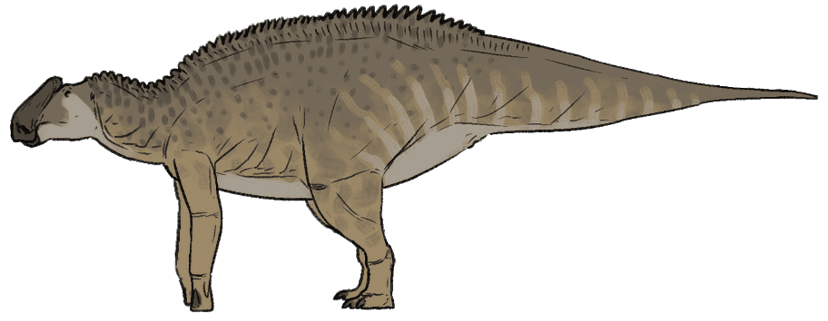
Bonapartesaurus is an extinct genus of herbivorous ornithopod dinosaur belonging to the Hadrosauridae family. It lived in what is now Argentina during the Late Cretaceous period. The genus was established in 2017 to house remains previously attributed to other hadrosaurids.