
Argyrosaurus
Argyrosaurus is a genus of titanosaurian sauropod dinosaur that lived approximately 70 million years ago during the Late Cretaceous Period. Fossils of this large herbivore were discovered in Argentina, which inspired its name meaning 'silver lizard'.
Key Facts
- ›Argyrosaurus lived during the Late Cretaceous Period.
- ›Its fossils were found in what is now Argentina.
- ›The genus name means 'silver lizard' in Greek.
- ›It was a medium-sized titanosaurian sauropod.
- ›The holotype specimen is a large left forelimb.

- Estimated length of 17-28 meters.
- Estimated weight of 12-50.8 tonnes.
- Distinguished by specific features of the humerus and radius.
- Features include a wide ridge on the medial side of the humerus, a compressed humerus midshaft, and subtriangular radius.
Elaltitan
Argentina
About Argyrosaurus
Argyrosaurus is a genus of titanosaurian sauropod dinosaur that roamed the Earth approximately 70 million years ago, during the Late Cretaceous Period. The name "Argyrosaurus" translates to "silver lizard," a nod to its discovery in Argentina, a country whose name itself is derived from the Spanish word for silver.
Discovery and Naming
The type species, Argyrosaurus superbus, was formally described by paleontologist Richard Lydekker in 1893. The most significant fossil evidence, the holotype specimen, consists of a large left forelimb discovered along the Chico River in Argentina. This specimen, housed in the Museo de La Plata, includes the humerus, ulna, radius, and all five metacarpals. While Lydekker also assigned other bones to the genus, later studies have questioned the attribution of many of these referred specimens due to a lack of overlapping material or key diagnostic features. Some researchers have even proposed that a partial skeleton previously referred to Argyrosaurus actually represents a distinct genus, Elaltitan.
Description and Characteristics
Argyrosaurus was a medium-sized sauropod, a group of large, herbivorous, long-necked dinosaurs. Estimating its exact size has yielded varying results among paleontologists. Some estimates suggest a length of around 17 meters (56 feet) and a weight of up to 12 tonnes (13 short tons). However, other estimations propose a significantly larger size, with lengths reaching up to 28 meters (92 feet) and weights between 43.5 and 50.8 tonnes (48 to 56 short tons). More recent assessments place it at approximately 21 meters (69 feet) and 26 tonnes (28.6 short tons).
Argyrosaurus is distinguished from other titanosaur genera by several unique anatomical features, particularly in its forelimb bones. These include a prominent ridge on the medial side of the humerus that projects forward, an extremely compressed midshaft of the humerus, and a radius that is subtriangular when viewed from its distal end. The width of the distal end of the radius is also noted to be only slightly greater than its midshaft width, and its metacarpals are described as extremely elongated.
Source: Wikipedia ↗
Frequently Asked Questions
When did Argyrosaurus live?
Argyrosaurus lived about 70 million years ago, during the Late Cretaceous Period. This places it in the latter part of the age of dinosaurs.
Where were Argyrosaurus fossils found?
Fossils of Argyrosaurus have been discovered in what is now Argentina. This geographic origin is reflected in its scientific name.
What does the name Argyrosaurus mean?
The name Argyrosaurus is derived from Greek words. 'Argyros' means 'silver', and 'sauros' means 'lizard', translating to 'silver lizard'.
What kind of dinosaur was Argyrosaurus?
Argyrosaurus was a titanosaurian sauropod. This means it was a large, herbivorous, long-necked dinosaur belonging to the group Titanosauria.
What is the most important fossil of Argyrosaurus?
The holotype specimen of Argyrosaurus superbus is a large left forelimb. This specimen includes the humerus, ulna, radius, and all five metacarpals.
Related Dinosaur species

Aeolosaurus
Aeolosaurus was a genus of titanosaurian sauropod dinosaur that lived in South America during the Late Cretaceous Period. Characterized by a long neck and tail, it was a quadrupedal herbivore. The genus is well-represented, with remains from several individuals belonging to at least two species, though no skull material has been recovered.

Antarctosaurus
Antarctosaurus was a genus of titanosaurian sauropod dinosaurs that lived during the Late Cretaceous Period in South America. The genus is known from several species, though many are considered dubious due to fragmentary remains and taxonomic confusion. The type species, Antarctosaurus wichmannianus, is estimated to have reached about 17 meters in length, while Antarctosaurus giganteus, though poorly known, represents one of the largest dinosaurs ever discovered.
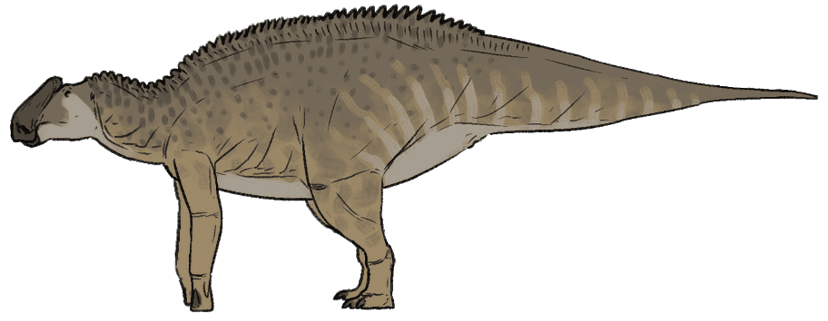
Bonapartesaurus
Bonapartesaurus is an extinct genus of herbivorous ornithopod dinosaur belonging to the Hadrosauridae family. It lived in what is now Argentina during the Late Cretaceous period. The genus was established in 2017 to house remains previously attributed to other hadrosaurids.