
Aoniraptor
Aoniraptor is an extinct genus of megaraptoran theropod dinosaur that lived during the Late Cretaceous period in what is now Argentina. Its name reflects its southern origin and the concept of freedom, with the species Aoniraptor libertatem discovered on the bicentennial of Argentina's independence. Fossils indicate it was a medium-sized predator, though its precise appearance and lifestyle are still being understood.
Key Facts
- ›Aoniraptor lived during the Late Cretaceous period.
- ›Fossils were discovered in the Huincul Formation of Argentina.
- ›The genus name "Aoniraptor" means "southern thief".
- ›The species name "libertatem" means "freedom".
- ›Aoniraptor grew up to an estimated 6 meters (20 ft) in length.
- ›It is classified as a megaraptoran theropod dinosaur.

- Estimated Length Up To 6 Meters
- Possessed Pneumatic Structures In Its Vertebrae
Gualicho
Argentina
About Aoniraptor
Aoniraptor is an extinct genus of megaraptoran theropod dinosaur that roamed the Earth during the Late Cretaceous period. The only known species, Aoniraptor libertatem, is known from a partial skeleton discovered in the Huincul Formation of Argentina.
Discovery and Naming
The holotype specimen of Aoniraptor was recovered in 2010 from the Violante Farm in Argentina. It was formally described and named in 2016. The genus name, "Aoniraptor," is a combination of the Tehuelche word "Aoni," meaning south, and the Latin word "raptor," meaning thief, reflecting its geographic origin and predatory nature. The species name, "libertatem," is Latin for freedom, chosen to commemorate the bicentennial of Argentina's independence in 1810.
Description and Classification
Estimates suggest that Aoniraptor grew to a length of up to 6 meters (20 feet). While some online sources have informally suggested it might be synonymous with another theropod from the same formation, Gualicho, comparative analyses have revealed distinct differences between the two, particularly in their vertebral pneumatic structures. Phylogenetic analyses consistently place Aoniraptor within the megaraptoran group of theropods.
Source: Wikipedia ↗
Frequently Asked Questions
What does the name Aoniraptor mean?
The genus name "Aoniraptor" is derived from the Tehuelche word "Aoni", meaning south, and the Latin word "raptor", meaning thief. This combination reflects its discovery location in the south and its predatory nature.
What is the meaning of the species name Aoniraptor libertatem?
The specific name, "libertatem", is a Latin word meaning freedom. This name was chosen because the fossil was discovered on the bicentennial of Argentina's independence from Spain.
Where were the fossils of Aoniraptor found?
The fossils of Aoniraptor were recovered from the Huincul Formation in Argentina, specifically from the Violante Farm.
How large was Aoniraptor?
Aoniraptor is estimated to have grown up to 6 meters (20 feet) in length. This places it as a medium-sized theropod dinosaur.
What kind of dinosaur was Aoniraptor?
Aoniraptor was a megaraptoran theropod dinosaur. This classification places it within a group of theropods known for their large size and predatory adaptations.
Has Aoniraptor been confused with other dinosaurs?
Some informal discussions have considered Aoniraptor to be synonymous with the theropod Gualicho, which was described from the same formation. However, comparative analyses have identified significant differences, particularly in their pneumatic structures.
Related Dinosaur species

Aerosteon
Aerosteon was a megaraptoran dinosaur that lived in Argentina during the Late Cretaceous period. Its name, meaning "air bone," refers to the bird-like respiratory system evident in its fossilized remains, which included air-filled spaces in its bones. This unique feature suggests a sophisticated breathing mechanism similar to that of modern birds.
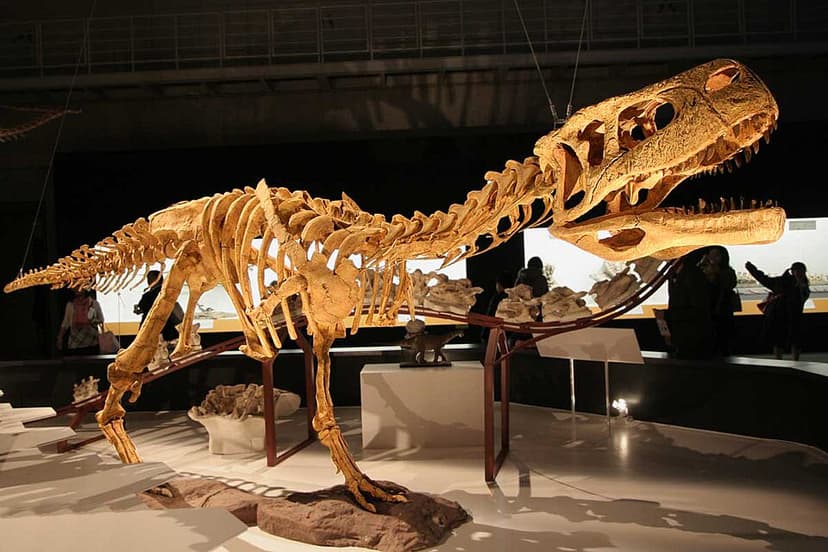
Aucasaurus
Aucasaurus is a genus of medium-sized abelisaurid theropod dinosaur that lived in Argentina during the Late Cretaceous period. It was characterized by its extremely reduced arms and lack of fingers, and possessed low ridges above its eyes instead of horns. The type specimen is well-preserved, offering significant insight into its anatomy.

Austroraptor
Austroraptor is a genus of dromaeosaurid theropod dinosaur that lived in Argentina during the Late Cretaceous period. It was a large, ground-dwelling carnivore, notable for its relatively short forelimbs and conical, non-serrated teeth. Its discovery provided insights into the diversity of dromaeosaurids in the Southern Hemisphere.