
Arcovenator
Arcovenator is an extinct genus of abelisaurid theropod dinosaur that lived during the Late Cretaceous period in what is now France and possibly Spain. The sole described species, Arcovenator escotae, is known from fossil remains including a braincase, skull fragments, teeth, and limb bones. Its name, meaning "Arc hunter," refers to the Arc River near its discovery site and its predatory nature.
Key Facts
- ›Arcovenator was an abelisaurid theropod dinosaur.
- ›It lived during the Late Cretaceous period, approximately 72 to 76 million years ago.
- ›Fossils were discovered in the Aix-en-Provence Basin of southeastern France, with possible occurrences in Spain.
- ›The genus name "Arcovenator" means "Arc hunter."
- ›It is classified within the subfamily Majungasaurinae, alongside genera like Majungasaurus and Rajasaurus.
- ›Estimated length is around 4.8 meters (16 feet).
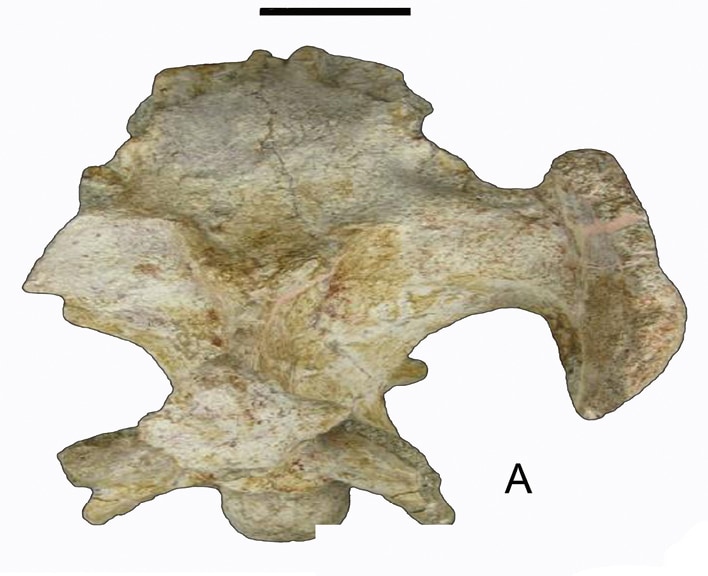
- Skull roof features a midline foramen on the posterior surface of a slight dome formed by frontal bones.
- Low fossa with a small fenestra above the orbit, bordered by the lacrimal, frontal, and postorbital.
- Postorbital bone is intermediate between T-shaped and inverted L-shaped conditions.
- Thick, rough-surfaced brow ridge dorsal to the eye socket.
- Paroccipital processes have accessory dorsal and ventral bony bars.
- Ear region resembles that of Majungasaurus.
- External bone ornamentation is generally more subdued than Majungasaurus.
- Tall teeth with denticles on the apical portion of the mesial carina and along the distal carina.
- Caudal vertebrae are similar to Majungasaurus but more dorsoventrally compressed.
- Well-developed cnemial crest on the tibia, characteristic of Abelisauroids.
Majungasaurus, Carnotaurus, Indosaurus, Rajasaurus, Aucasaurus, Rugops, Eoabelisaurus, Ilokelesia, Genasaurus, Tarascosaurus, Abelisaurus
Europe, Possibly Spain
About Arcovenator
Arcovenator is an extinct genus of abelisaurid theropod dinosaur that roamed the Earth during the Late Cretaceous period. The only known species, Arcovenator escotae, is named in part after the Arc River, near the location of its discovery in southeastern France. This dinosaur is a member of the Abelisauridae family, a group characterized by short, tall skulls with heavily sculpted surfaces, drastically reduced forelimbs, and stout hind limbs.
Description and Paleobiology
Fossil evidence suggests that Arcovenator was a medium-sized predator, with estimates placing its length at around 4.8 meters (16 feet). Its braincase shares similarities with that of Majungasaurus, though with distinct features such as a midline foramen on the posterior skull roof. The skull exhibits a unique bony brow ridge above the eye socket and a specialized postorbital bone. The teeth were tall, measuring between 3 and 5.5 cm, and possessed denticles along their edges. Like other abelisauroids, Arcovenator possessed a well-developed cnemial crest on its tibia, indicating its bipedal locomotion.
Discovery and Classification
The fossils of Arcovenator escotae were unearthed during construction of the A8 motorway in the Aix-en-Provence Basin of France, dating to the late Campanian stage (72-76 million years ago). These remains consist of a braincase, skull fragments, teeth, and limb bones. Phylogenetic analyses place Arcovenator within the subfamily Majungasaurinae, a clade of abelisaurids that includes Majungasaurus and Rajasaurus. The presence of European abelisaurs like Arcovenator complicates hypotheses about their paleobiogeography, suggesting complex dispersal and vicariance events involving Africa, Europe, and India.
Source: Wikipedia ↗
Frequently Asked Questions
What does the name Arcovenator mean?
The genus name Arcovenator means "Arc hunter." It refers to the Arc River, which flows near the location where the dinosaur's fossils were first discovered, and the Latin word for hunter, 'venator'.
When did Arcovenator live?
Arcovenator lived during the Late Cretaceous period. Specifically, the fossil remains were found in strata dating to the late Campanian stage, between 72 and 76 million years ago.
Where were Arcovenator fossils found?
The primary discovery site for Arcovenator fossils is the Aix-en-Provence Basin in southeastern France. There is also a possibility that remains found in Spain belong to this genus.
What is Arcovenator related to?
Arcovenator is classified as an abelisaurid theropod dinosaur. It is closely related to other members of the subfamily Majungasaurinae, including Majungasaurus and Rajasaurus.
What was the estimated size of Arcovenator?
Based on its braincase and other skeletal elements, Arcovenator was initially estimated to be about 5-6 meters (16-20 feet) long. More recent estimates place its length at around 4.8 meters (16 feet).
What kind of environment did Arcovenator inhabit?
Arcovenator lived on the Ibero-Armorican island, which was a large landmass in what is now France, Spain, and Portugal. The specific discovery area was a low-relief basin with limestone highlands and rivers leading to a perennial lake.
Related Dinosaur species
Canardia
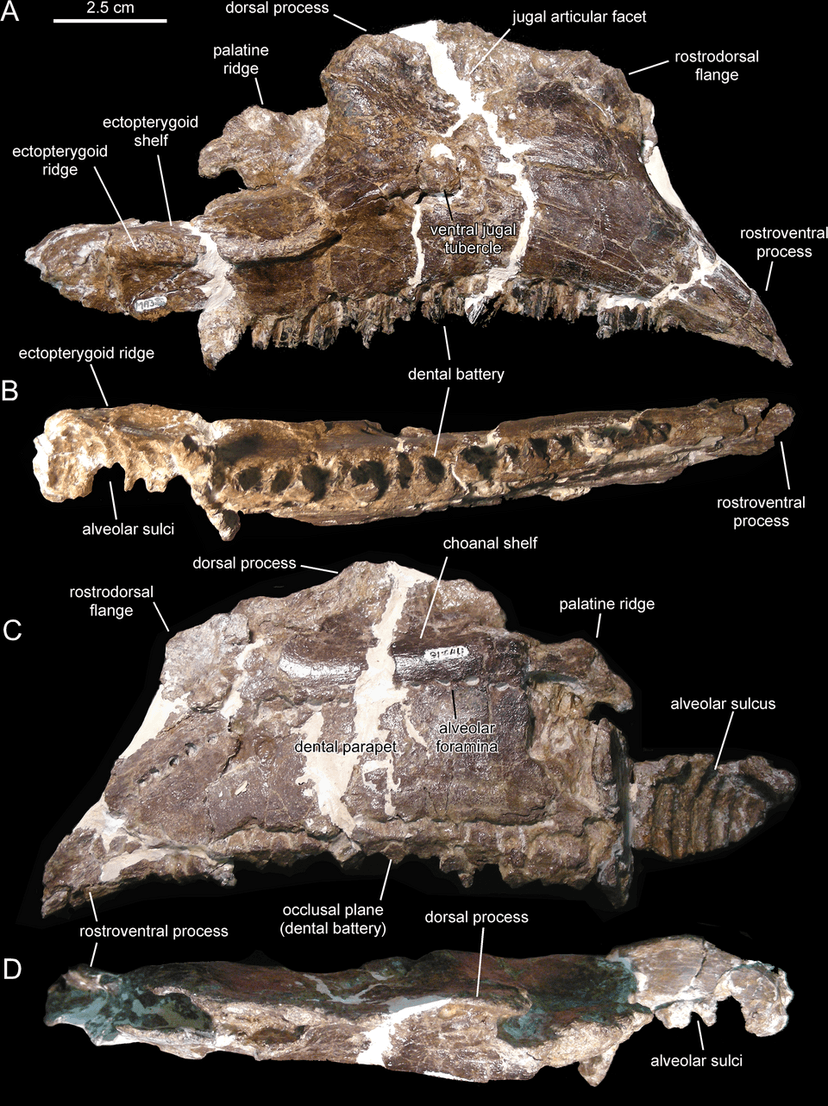
Canardia is an extinct genus of lambeosaurine dinosaur that lived in southwestern France during the Late Cretaceous period. Known only from juvenile specimens, its name means "duck" in French, referencing its duck-billed hadrosaur family. Its precise placement within the Lambeosaurinae subfamily is still debated among paleontologists.

Ampelosaurus
Ampelosaurus is a titanosaurian sauropod dinosaur that lived during the Late Cretaceous Period in what is now France. Known for its long neck and tail, it also possessed armor in the form of osteoderms. While initially thought to be a single species, recent studies suggest the presence of at least one other titanosaurian taxon in its discovery sites.
Atsinganosaurus
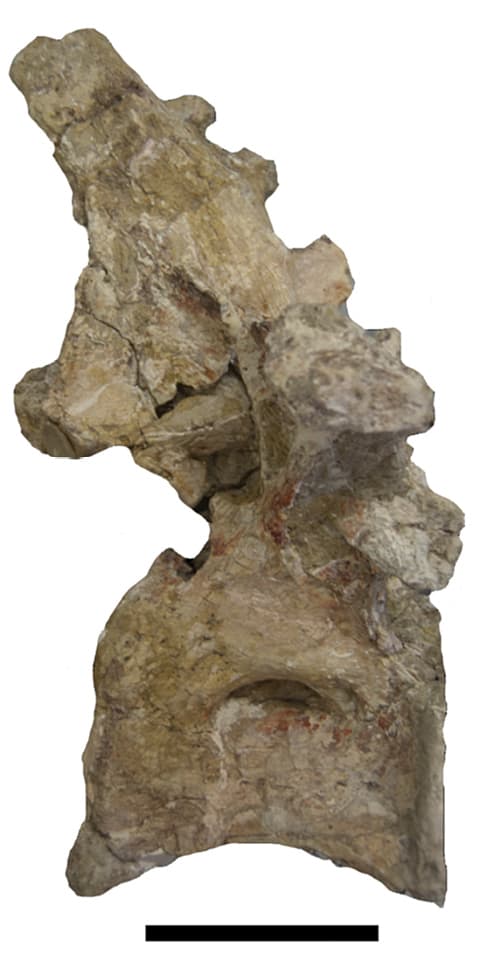
Atsinganosaurus is a genus of titanosaurian sauropod dinosaur that lived in what is now France during the Late Cretaceous period. Its well-preserved remains were discovered in the Grès à Reptiles Formation, with the type and only species being *A. velauciensis*. The name "Atsinganosaurus" reflects the possible eastward to westward migration of the species.