
Ampelosaurus
Ampelosaurus is a titanosaurian sauropod dinosaur that lived during the Late Cretaceous Period in what is now France. Known for its long neck and tail, it also possessed armor in the form of osteoderms. While initially thought to be a single species, recent studies suggest the presence of at least one other titanosaurian taxon in its discovery sites.
Key Facts
- ›Lived during the Late Cretaceous Period, specifically the early Maastrichtian epoch.
- ›Discovered in the Upper Aude Valley of France, in sediments dating to approximately 70 million years ago.
- ›Possessed osteoderms for armor, with plate, bulb, and spine-shaped morphologies.
- ›Estimated to have reached lengths of up to 16 meters and weighed around 10 metric tons.
- ›Its scientific name, Ampelosaurus, means "vineyard lizard," referencing the local Blanquette de Limoux vineyard.
- ›One of the most completely known titanosaurs from Europe, with over 1400 bones assigned to the locality.

- Long neck and tail characteristic of sauropods.
- Possessed armor in the form of osteoderms.
- Estimated length of 14-16 meters.
- Estimated weight of up to 9.98 metric tons.
- Teeth are weakly spatulate, roughly cylindrical at the top with thin expansions at the bottom.
- Scapula blade is triangular and narrows distally.
Lirainosaurus, Atsinganosaurus, Magyarosaurus, Saltasaurus, Alamosaurus, Garrigatitan, Lohuecotitan Pandafilandi
France, Spain
About Ampelosaurus
Ampelosaurus, meaning "vineyard lizard," was a titanosaurian sauropod dinosaur that roamed the Earth during the Late Cretaceous Period, specifically the early Maastrichtian epoch, approximately 70 million years ago. Its remains have been discovered primarily in what is now southwestern France, making it one of the most comprehensively known dinosaurs from that region of Europe. Ampelosaurus is characterized by the typical long neck and tail of sauropods, but notably, it also bore armor in the form of osteoderms, which came in various shapes including plates, bulbs, and spines.
Discovery and Naming
The type species, Ampelosaurus atacis, was formally named by paleontologist Jean Le Loeuff in 1995. The name honors the local Blanquette de Limoux vineyard and the Aude River. The discovery site at Bellevue near Campagne-sur-Aude has yielded a significant amount of fossil material, including over 1400 bones assigned to titanosaurs. Initially, Ampelosaurus was believed to be the sole titanosaurian present at this rich locality. However, more recent studies have indicated the presence of at least one other titanosaurian taxon among the recovered bones, leading to ongoing revisions in taxonomic assignments.
Physical Characteristics and Paleobiology
Ampelosaurus is estimated to have reached impressive lengths of 14 to 16 meters (approximately 46 to 52 feet) and could weigh up to 9.98 metric tons (around 11.00 short tons) for its largest known individuals. Its diet was herbivorous, consisting of the plant life available in its habitat, which is believed to have been an ancient floodplain crisscrossed by numerous river channels. Histological studies of its bones suggest a slower growth rate compared to some other sauropods, possibly influenced by its island environment. This growth pattern, along with the lack of certain bone structures like EFS (External Fundamental System), are characteristics shared with other titanosaurians.
Classification and Distribution
Ampelosaurus is classified within the Lithostrotia, a group of derived titanosaurs that also includes genera like Alamosaurus and Saltasaurus. It has also been placed within the Lirainosaurinae clade, alongside other French and Spanish titanosaurs from the Late Campanian to Maastrichtian. While its presence has been suggested in other parts of France and Spain, these identifications are often debated or have not been conclusively demonstrated. The extensive fossil record from France makes Ampelosaurus a crucial subject for understanding titanosaur diversity in Europe during the final stages of the dinosaur era.
Source: Wikipedia ↗
Frequently Asked Questions
What does the name Ampelosaurus mean?
The name Ampelosaurus is derived from the Greek word 'ampelos' meaning "vine" and the Latinized Greek 'saurus' meaning "reptile." This translates to "vineyard lizard," a name inspired by the Blanquette de Limoux vineyard located near its discovery site.
Where was Ampelosaurus discovered?
The primary discovery site for Ampelosaurus is the Bellevue locality near Campagne-sur-Aude in the Upper Aude Valley of southern France. Fossils have also been reported in other parts of France and Spain, though their identification as Ampelosaurus has often been questioned.
What period did Ampelosaurus live in?
Ampelosaurus lived during the Late Cretaceous Period, specifically in the early Maastrichtian epoch. The fossils are dated to approximately 71.5 to 70 million years ago.
What did Ampelosaurus eat?
As a sauropod, Ampelosaurus was a herbivore. Its diet would have consisted of plant material, likely including vegetation available in its floodplain habitat.
How large was Ampelosaurus?
Ampelosaurus is estimated to have reached lengths of about 14 to 16 meters (46 to 52 feet). The largest known individual is estimated to have weighed around 9.98 metric tons (11.00 short tons).
Did Ampelosaurus have armor?
Yes, Ampelosaurus possessed armor in the form of osteoderms. These bony plates varied in shape, with plate, bulb, and spine-shaped morphologies described.
Related Dinosaur species
Atsinganosaurus
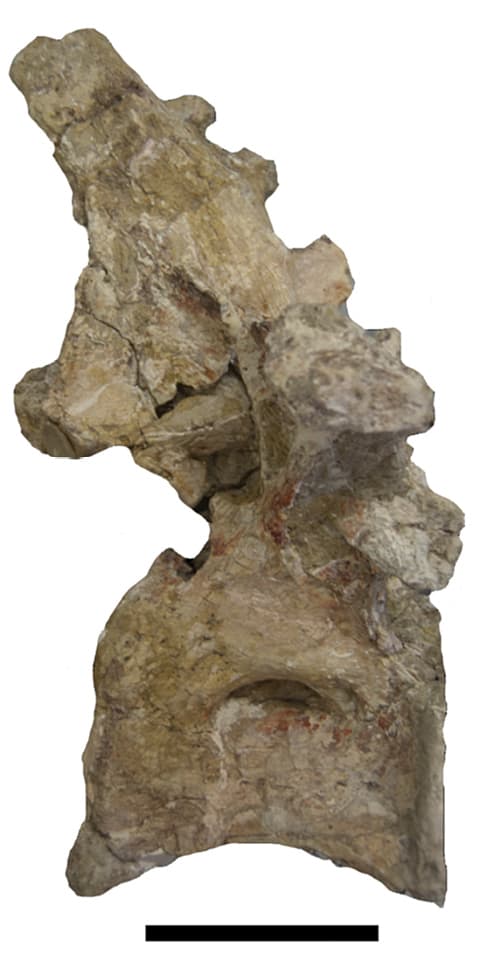
Atsinganosaurus is a genus of titanosaurian sauropod dinosaur that lived in what is now France during the Late Cretaceous period. Its well-preserved remains were discovered in the Grès à Reptiles Formation, with the type and only species being *A. velauciensis*. The name "Atsinganosaurus" reflects the possible eastward to westward migration of the species.
Canardia
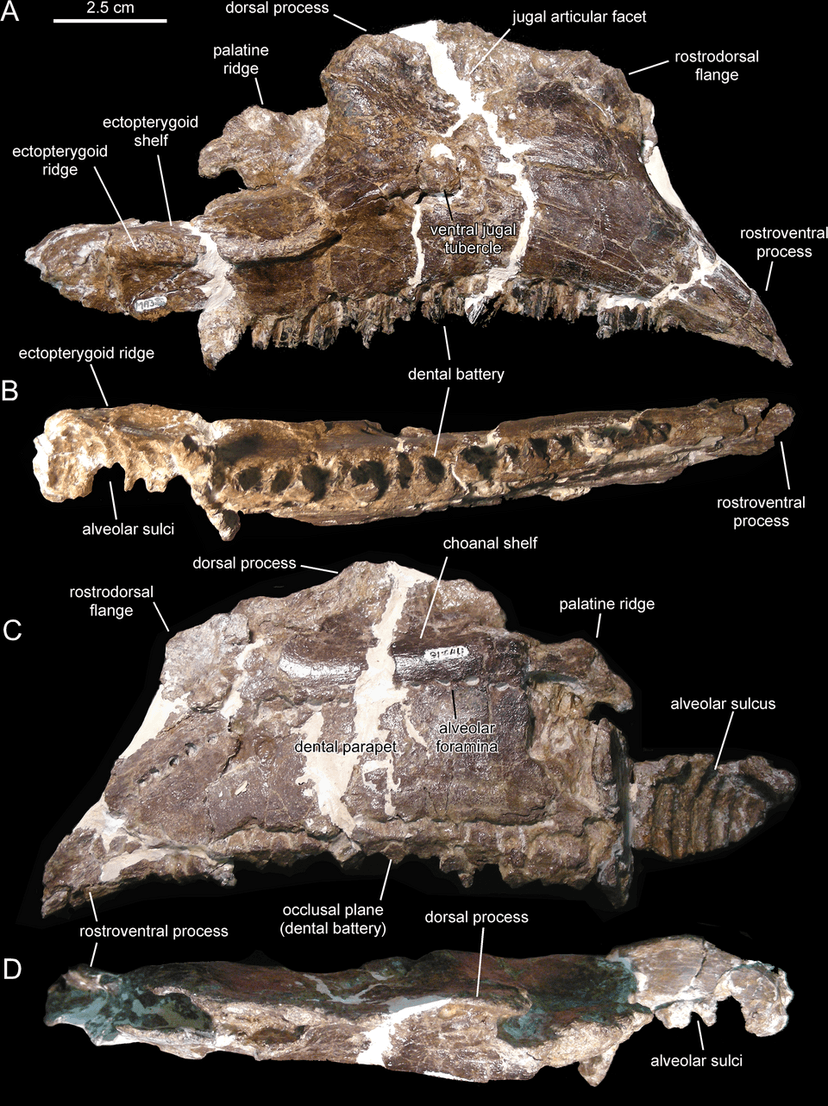
Canardia is an extinct genus of lambeosaurine dinosaur that lived in southwestern France during the Late Cretaceous period. Known only from juvenile specimens, its name means "duck" in French, referencing its duck-billed hadrosaur family. Its precise placement within the Lambeosaurinae subfamily is still debated among paleontologists.
Arcovenator
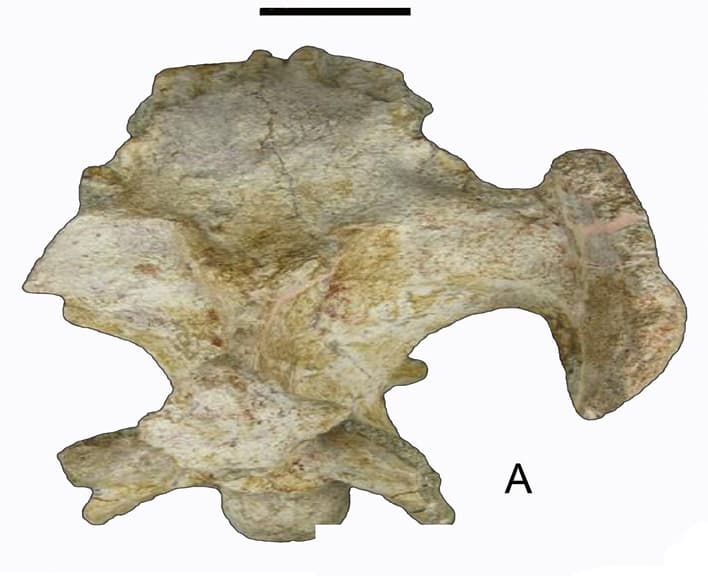
Arcovenator is an extinct genus of abelisaurid theropod dinosaur that lived during the Late Cretaceous period in what is now France and possibly Spain. The sole described species, Arcovenator escotae, is known from fossil remains including a braincase, skull fragments, teeth, and limb bones. Its name, meaning "Arc hunter," refers to the Arc River near its discovery site and its predatory nature.