
Calamosaurus
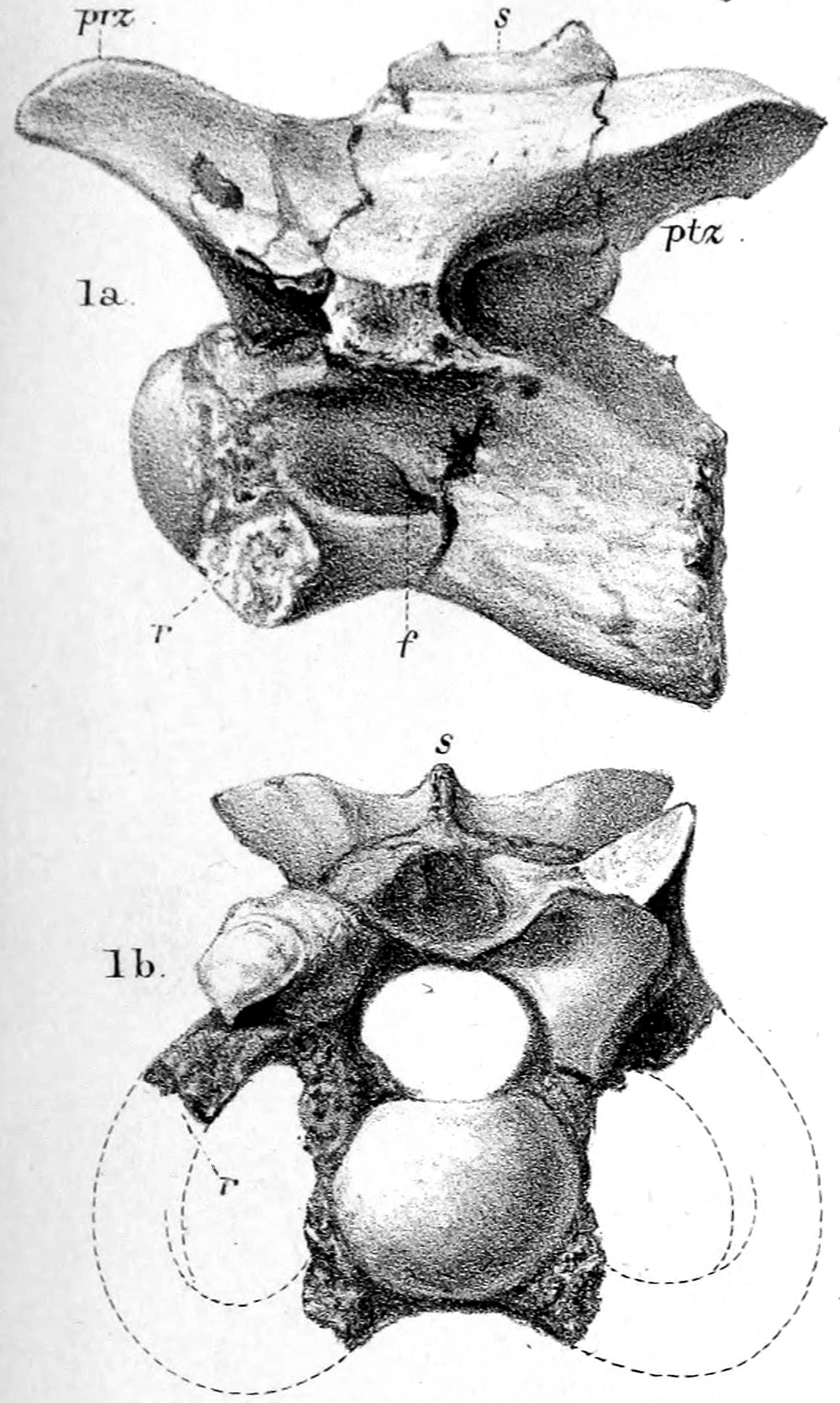
Calamosaurus is a genus of small theropod dinosaur that lived during the Early Cretaceous period on the Isle of Wight, England. Based on two cervical vertebrae, its exact classification has been debated, with suggestions ranging from Compsognathidae and Ornithomimosauria to Tyrannosauroidea and Alvarezsauroidea. Its name, meaning "reed lizard," reflects the slender nature of its discovered remains.
Key Facts
- ›Calamosaurus lived during the Early Cretaceous period.
- ›Its fossils were discovered on the Isle of Wight, England.
- ›The genus is known from two cervical vertebrae.
- ›Its scientific name means "reed lizard."
- ›Its precise classification within theropods remains a subject of debate.
Estimated body length of 3.5 meters., Slender and lightweight build., Two articulated cervical vertebrae., Cervical vertebrae are opisthocoelous., Reduced epipophyses on cervical vertebrae.
Dilong Paradoxus
England
About Calamosaurus
Calamosaurus: The Reed Lizard of the Early Cretaceous
Calamosaurus is a genus of small theropod dinosaur that roamed the Earth during the Early Cretaceous period. The known fossil material for this genus is limited, primarily consisting of two articulated cervical (neck) vertebrae discovered on the Isle of Wight, England. These fossils originate from the Wessex Formation and date back to the Barremian stage.
Discovery and Naming
The type specimen of Calamosaurus, cataloged as NHMUK PV R 901, was part of the collection of Reverend William Fox. Richard Lydekker first described these bones in 1889, naming them Calamospondylus foxi in honor of Fox and referencing the Greek words 'kalamos' (reed) for the vertebrae's slender form and 'spondylos' (vertebra). However, Lydekker later discovered that the name Calamospondylus was already in use. Consequently, he renamed the genus Calamosaurus in 1891, with 'sauros' meaning lizard.
Classification and Description
The exact placement of Calamosaurus within the theropod family tree has been a persistent subject of scientific debate. Initial suggestions included affiliations with the Compsognathidae or Ornithomimosauria. More recent research has proposed potential links to the Tyrannosauroidea or Alvarezsauroidea. These varying interpretations are partly due to the fragmentary nature of the fossils. Despite the limited remains, estimates suggest Calamosaurus may have reached a body length of approximately 3.5 meters (11 feet). The cervical vertebrae are characterized by their opisthocoelous structure and reduced epipophyses, indicating a lightly built head.
Palaeoecology
Calamosaurus inhabited a floodplain environment characterized by fluvial (river) and lacustrine (lake) deposits of the Wessex Formation. This ecosystem likely experienced seasonal variations in water levels, frequent extreme storms, and periodic flood events that would have deposited organic material, including deceased organisms. Evidence of wildfires also suggests a landscape prone to such events, supporting dense growth of gymnosperms, pteridophytes, conifers, and cycads. The fauna of the Wessex Formation was diverse, including numerous other theropods, sauropods, thyreophorans, ornithopods, pterosaurs, crocodyliforms, plesiosaurs, mammals, amphibians, and a rich variety of fish and invertebrates.
Source: Wikipedia ↗
Frequently Asked Questions
What does the name Calamosaurus mean?
The name Calamosaurus means "reed lizard." This name was chosen due to the slender and lightweight appearance of its vertebrae, likened to reeds or reed pens.
Where were the fossils of Calamosaurus found?
The fossils of Calamosaurus were discovered on the Isle of Wight, England. They originate from sedimentary rocks of the Wessex Formation.
What geological period did Calamosaurus live in?
Calamosaurus lived during the Early Cretaceous period. The fossils found are dated to the Barremian stage.
What is known about the physical characteristics of Calamosaurus?
Calamosaurus is estimated to have reached a body length of around 3.5 meters (11 feet). The discovered cervical vertebrae are opisthocoelous and about 40 mm (1.6 inches) long, suggesting a slender build.
What is the taxonomic classification of Calamosaurus?
The classification of Calamosaurus is controversial. It has been suggested to belong to groups like Compsognathidae, Ornithomimosauria, Tyrannosauroidea, and Alvarezsauroidea.
How much of Calamosaurus fossil material has been found?
The genus is primarily known from two articulated cervical (neck) vertebrae. A possible tibia was also provisionally assigned but later identified as belonging to a different basal coelurosaur.
Related Dinosaur species

Aristosuchus
Aristosuchus was a small, bipedal, carnivorous theropod dinosaur that lived during the Early Cretaceous period. Its fossils were discovered on the Isle of Wight, England. Initially misidentified, it was later recognized as a distinct genus and is now generally placed within the Compsognathidae family.

Brighstoneus
Brighstoneus is a genus of hadrosauriform dinosaur that lived during the Early Cretaceous period. Fossils of Brighstoneus have been discovered on the Isle of Wight, England, within the Wessex Formation. This dinosaur is known from a partial skeleton and is notable for its unique skull morphology, including a bulging nasal bone.

Chondrosteosaurus
Chondrosteosaurus was a dubious genus of sauropod dinosaur from the Early Cretaceous Wessex Formation of England. Named for its "cartilage and bone" vertebrae, the genus is now considered a nomen dubium due to a lack of diagnostic features in its fossil remains.