
Arkharavia
Unknown·Late Cretaceous·Russia·Unknown
Arkharavia is a dubious genus of sauropod dinosaur from the Late Cretaceous period, discovered in Russia's Udurchukan Formation. However, some of its fossil remains are now believed to belong to a hadrosaurid dinosaur. The genus is named "Arkhara road" and was formally described in 2010.
Key Facts
- ›Arkharavia lived during the Late Cretaceous period.
- ›Fossils were discovered in the Udurchukan Formation in Russia.
- ›The genus is considered dubious, with some remains potentially belonging to a hadrosaurid.
- ›The holotype material is a single anterior caudal vertebra.
- ›Vertebrae are characterized by weakly heterocoelous centra.
- ›It was originally classified as a titanosauriform sauropod.
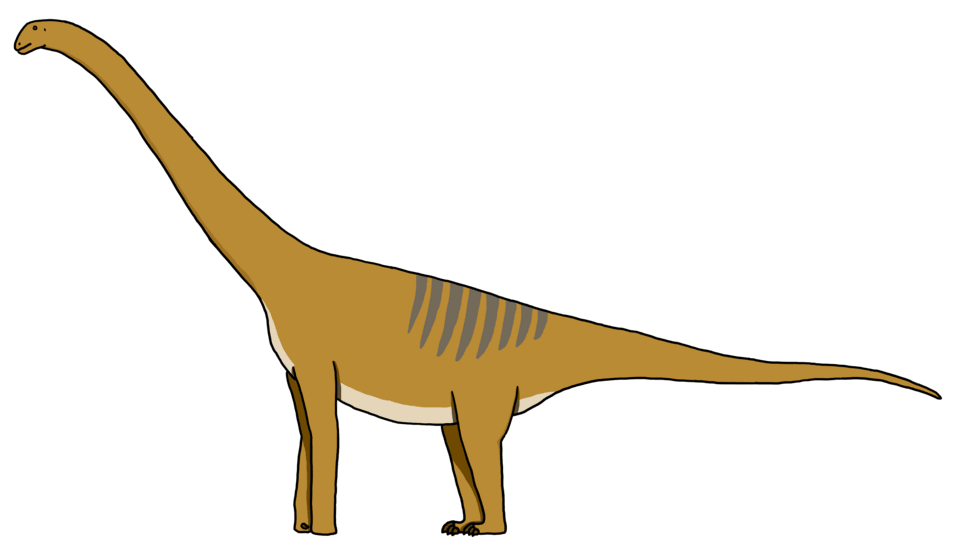
Weakly Heterocoelous Vertebrae
Chubutisaurus, Amurosaurus, Olorotitan, Charonosaurus, Kerberosaurus, Wulagasaurus
Russia
About Arkharavia
Arkharavia is a genus of sauropod dinosaur that lived during the Late Cretaceous period. Its name, meaning "Arkhara road," reflects the location of its discovery in Russia. The genus is considered dubious by paleontologists due to the nature of its fossil remains, with some evidence suggesting that certain fossils attributed to Arkharavia may actually belong to a hadrosaurid dinosaur.
Description and Classification
The holotype material for Arkharavia consists of a single anterior caudal vertebra. This vertebra is notable for being weakly heterocoelous, meaning the body of the vertebra possesses saddle-shaped surfaces where it articulates with neighboring vertebrae. While a tooth and some proximal tail vertebrae were initially described as belonging to Arkharavia, these are now thought to be from an indeterminate hadrosaurid.
Initially, Arkharavia was classified as a titanosauriform sauropod, with proposed relationships to the South American sauropod Chubutisaurus. However, subsequent analysis has led to its current classification as an indeterminate somphospondylan, with the significant caveat that some referred material likely belongs to a different dinosaur group altogether.
Contemporaries and Habitat
Arkharavia inhabited the Amur Region of Russia, an area known for its rich dinosaur fauna during the Late Cretaceous. Other dinosaurs found in this region include various duckbilled dinosaurs (hadrosaurs) such as the lambeosaurines Amurosaurus, Olorotitan, and Charonosaurus, as well as the saurolophine hadrosaurs Kerberosaurus and Wulagasaurus. The exact habitat of Arkharavia is not precisely detailed, but the presence of these other herbivores suggests a terrestrial environment.
Discovery
The genus Arkharavia was formally described and named in 2010 by paleontologists Alifanov and Bolotsky. Its discovery in the Udurchukan Formation adds to the understanding of dinosaur diversity in Asia during the Late Cretaceous.
Source: Wikipedia ↗
Frequently Asked Questions
What does the name Arkharavia mean?
The name Arkharavia translates to "Arkhara road." This name likely refers to the location where its fossils were discovered in the Arkhara region of Russia.
When did Arkharavia live?
Arkharavia lived during the Late Cretaceous period. This was a time of significant dinosaur diversity before the mass extinction event.
Where were Arkharavia fossils found?
Fossils attributed to Arkharavia were discovered in the Udurchukan Formation in Russia. This region is known as a significant dinosaur fossil site.
What type of dinosaur was Arkharavia?
Arkharavia was initially classified as a sauropod dinosaur, specifically a titanosauriform. However, further study suggests that at least some of its remains might belong to a hadrosaurid, making its exact classification uncertain.
What are the distinctive physical characteristics of Arkharavia?
The primary distinguishing feature of Arkharavia is its weakly heterocoelous vertebrae. This means the body of the vertebra has saddle-shaped surfaces where it connects with adjacent vertebrae.
Related Dinosaur species
Albinykus
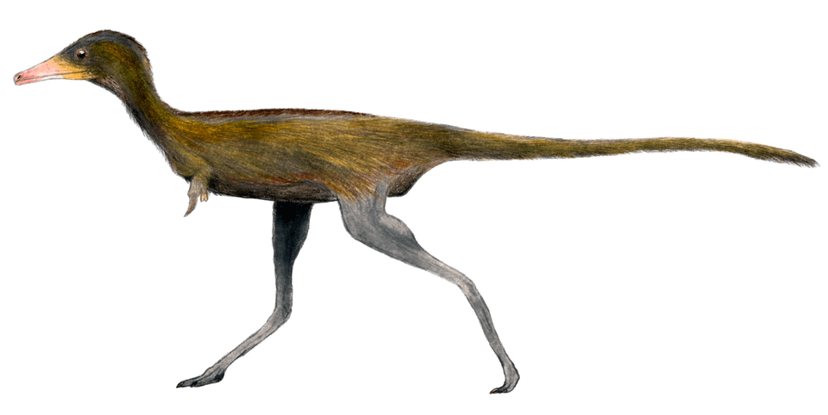
Albinykus is a genus of small alvarezsaurid dinosaur discovered in Mongolia's Gobi Desert. Living during the Late Cretaceous period, it was notable for its extremely small size, weighing under 1 kilogram, and a unique fusion of tarsal bones in its legs, a feature not observed in other alvarezsaurids. Its fossil remains suggest a posture similar to that of modern birds, hinting at the close evolutionary link between non-avian dinosaurs and birds.

Amtocephale
Amtocephale is a genus of pachycephalosaurid dinosaur discovered in the southern Gobi Desert of Mongolia. Known from a nearly complete frontoparietal dome, it represents a subadult individual. Amtocephale is considered a potentially very old representative of its family, dating back to the early Late Cretaceous period.
Anomalipes
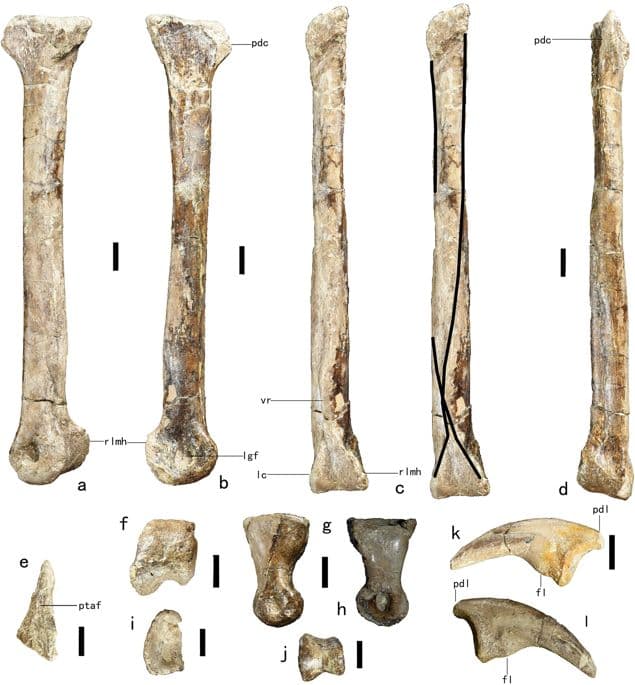
Anomalipes is an extinct genus of oviraptorosaurian dinosaurs from the Late Cretaceous period of China. Known from a partial hindlimb, its name, meaning "unusual foot," reflects the peculiar shape of its foot bones. The only known species, Anomalipes zhaoi, was named in honor of Zhao Xijin.