
Asiaceratops
Asiaceratops was a genus of herbivorous ceratopsian dinosaur that lived during the Early to Late Cretaceous period. Its name, meaning "Asian horned face," reflects its geographic origin and characteristic features. While often considered a nomen dubium due to limited fossil material, phylogenetic analyses suggest it was a basal neoceratopsian.
Key Facts
- ›Asiaceratops was a herbivorous dinosaur belonging to the Ceratopsia group.
- ›Fossils have been discovered in Uzbekistan, China, and Mongolia.
- ›It lived during the Early to Late Cretaceous period, approximately 99 million years ago.
- ›The genus name "Asiaceratops" means "Asian horned face."
- ›It likely fed on ferns, cycads, and conifers using its beak-like mouth.

- Possessed a characteristic parrot-like beak.
- Likely had a horned face, though specific cranial ornamentation is poorly known from limited holotype material.
Microceratus Sulcidens
Uzbekistan, China, Mongolia
About Asiaceratops
Asiaceratops is a genus of herbivorous dinosaur that belonged to the Ceratopsia, a group known for their parrot-like beaks and, in many cases, elaborate horns and frills. The name Asiaceratops itself translates to "Asian horned face," reflecting both its continental origin and a common feature of its evolutionary group.
Discovery and Classification
The type species, Asiaceratops salsopaludalis, was formally described in 1989. Its holotype, a partial left maxilla, was discovered in Uzbekistan within the Khodzhakul Formation, dating to the early Cenomanian stage of the Cretaceous period, approximately ninety-nine million years ago. Another species, A. sulcidens, was established to include a previously described species, Microceratus sulcidens, with remains found in Early Cretaceous rocks in China and Mongolia. Due to the limited nature of the initial fossil material, Asiaceratops has often been classified as a nomen dubium, or dubious name. However, phylogenetic analyses have consistently placed it as a basal neoceratopsian, indicating its early position within the evolutionary lineage of horned dinosaurs.
Diet and Lifestyle
As a member of the Ceratopsia, Asiaceratops was a herbivore. During the Cretaceous, flowering plants were not yet widespread, so it is believed that Asiaceratops subsisted on the predominant flora of its time, which included ferns, cycads, and conifers. Its sharp, beak-like mouth would have been used to efficiently bite off leaves and needles from these plants. While direct evidence of its locomotion is scarce, ceratopsians are generally understood to have been quadrupedal.
Source: Wikipedia ↗
Frequently Asked Questions
What does Asiaceratops mean?
The name Asiaceratops means "Asian horned face." This name combines a reference to Asia, its geographic origin, with the Greek word "ceratops," meaning "horned face."
When did Asiaceratops live?
Asiaceratops lived during the Early to Late Cretaceous period. The type species, A. salsopaludalis, is known from rocks dating to the early Cenomanian stage, approximately ninety-nine million years ago.
What did Asiaceratops eat?
Asiaceratops was a herbivore. It likely fed on the prevalent plants of the Cretaceous period, such as ferns, cycads, and conifers, using its sharp, parrot-like beak to bite off vegetation.
Where were Asiaceratops fossils found?
Fossils of Asiaceratops have been discovered in Central Asia, specifically Uzbekistan for the type species. Remains of another species have been found in China and Mongolia.
Is Asiaceratops a well-known dinosaur?
Asiaceratops is often considered a nomen dubium, meaning "dubious name," due to the limited nature of its holotype material. Despite this, phylogenetic analyses have placed it as a basal neoceratopsian.
Related Dinosaur species

Caenagnathasia
Caenagnathasia is a genus of small oviraptorosaurian theropod dinosaurs that lived in present-day Uzbekistan during the Late Cretaceous period. It is notable for being one of the smallest non-avian dinosaurs known, characterized by its beaked skull and bird-like features.
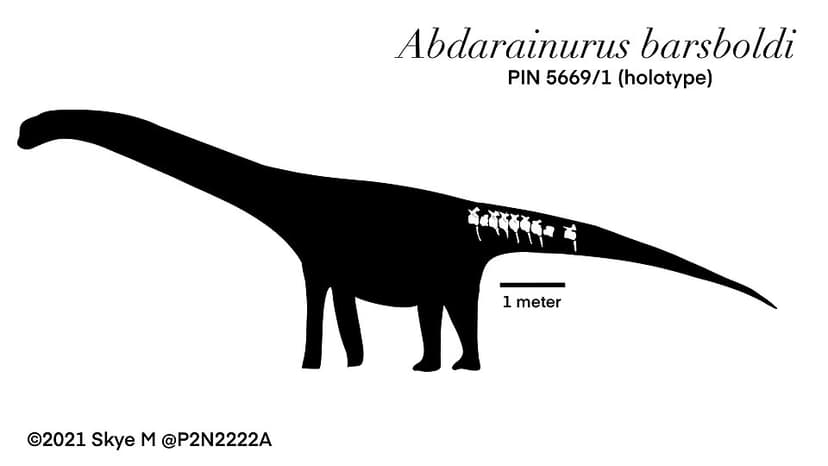
Abdarainurus
Abdarainurus is a genus of titanosaur dinosaur known from the Alagteeg Formation in Mongolia. The only known species, A. barsboldi, is currently considered an indeterminate titanosaur and might represent a previously undocumented lineage of Asian macronarians. Its existence is primarily evidenced by a limited number of tail vertebrae.
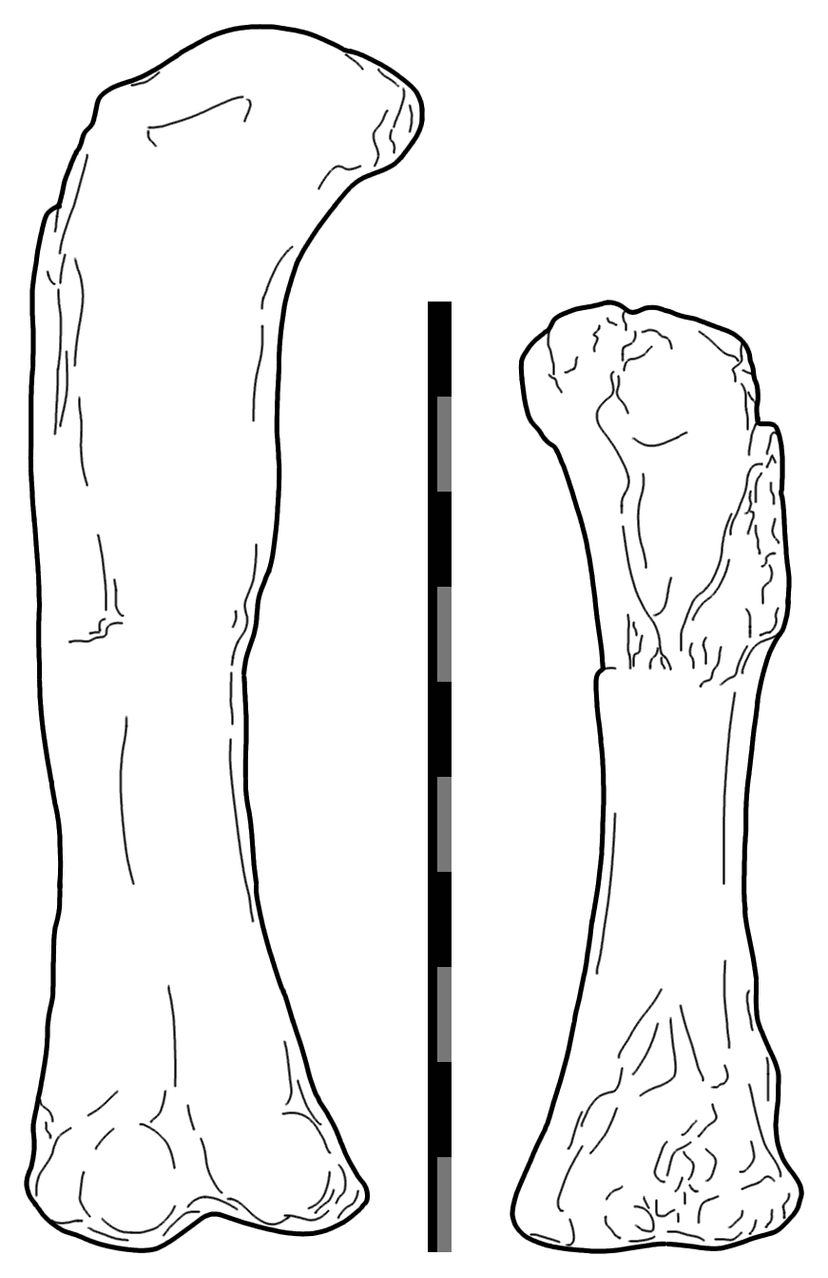
Aegyptosaurus
Aegyptosaurus was a genus of sauropod dinosaur that lived in Africa approximately 95 million years ago during the Late Cretaceous Period. Its fossils, though largely destroyed during World War II, were first discovered in Egypt and have also been found in Niger. The dinosaur is estimated to have been around 15 meters long and weighed about 7 tonnes.