
Asiatyrannus
Asiatyrannus is an extinct genus of tyrannosaurine theropod dinosaur that lived during the Late Cretaceous period in what is now China. Known from a single specimen including a skull and partial skeleton, it is distinguished by its deep-snouted skull and relatively small body size compared to some contemporary tyrannosaurs. However, its validity as a distinct genus has been questioned, with some researchers suggesting it may represent a juvenile individual of the more well-known genus Tarbosaurus.
Key Facts
- ›Asiatyrannus lived during the Late Cretaceous period.
- ›Its fossils were discovered in the Nanxiong Formation of China.
- ›The genus is characterized by a deep-snouted skull and a small body size.
- ›It represents the southernmost known record of an Asian tyrannosaurid.
- ›Researchers have debated whether Asiatyrannus is a distinct genus or a juvenile Tarbosaurus.

- Deep-snouted skull
- Small body size relative to some contemporary tyrannosaurs
- Estimated skull length: 47.5 cm
- Estimated body length: 3.5–4 m
Tarbosaurus, Qianzhousaurus, Nanuqsaurus, Alioramus
Asia
About Asiatyrannus
Asiatyrannus is an extinct genus of tyrannosaurine theropod dinosaur that roamed the Earth during the Late Cretaceous period, specifically the Maastrichtian age. Its fossils have been unearthed in China, making it the southernmost known record of an Asian tyrannosaurid. The genus is recognized for its distinctive deep-snouted skull and a comparatively small body size, setting it apart from some of its larger relatives.
Discovery and Naming
The holotype specimen of Asiatyrannus, designated ZMNH M30360, was discovered in September 2017 within the Nanxiong Formation of Jiangxi Province, China. This specimen comprises a largely articulated skull and partial postcranial remains, including significant portions of the legs and tail vertebrae. In 2024, paleontologists Zheng and colleagues formally described Asiatyrannus xui as a new genus and species. The genus name, Asiatyrannus, translates to 'Asian tyrant,' while the species name, xui, pays tribute to the prominent dinosaur researcher Xu Xing for his contributions to paleontology in China.
Description and Classification
Asiatyrannus is classified as a tyrannosaurine, a subgroup within the Tyrannosauridae family. Its skull measures approximately 47.5 centimeters (18.7 inches) long, and its estimated body length ranges from 3.5 to 4 meters (11 to 13 feet). This places it in a smaller size class compared to some other tyrannosaurs. However, the ontogenetic age of the holotype has been a subject of debate. While Zheng et al. estimated the specimen to be at least 13 years old and past its rapid growth phase, other researchers have questioned this, suggesting the fossil may represent a younger individual that would have grown much larger if it had reached maturity.
Validity Concerns
The distinctiveness of Asiatyrannus as a genus has been challenged by several researchers. Some studies have noted that traits initially considered diagnostic for Asiatyrannus are also present in specimens of Tarbosaurus, a well-known tyrannosaur from Asia. These researchers propose that Asiatyrannus might be a juvenile form of Tarbosaurus, or at least a closely related species within the Tyrannosaurini tribe. If Asiatyrannus is indeed a junior synonym of Tarbosaurus bataar, it would significantly expand the known geographic range of that species.
Paleoecology
Asiatyrannus inhabited terrestrial ecosystems during the Late Cretaceous, as evidenced by its discovery in the Nanxiong Formation. This formation dates to the end of the Maastrichtian age. The presence of potentially larger tyrannosaurid teeth in the same formation suggests that a mature, large tyrannosaur may have coexisted with Asiatyrannus, possibly representing a mature form of the same genus or a different species. The Nanxiong Formation fauna is diverse, including other tyrannosaurids like Qianzhousaurus, various therizinosaurs and oviraptorids, sauropods, crocodilians, lizards, and turtles, painting a picture of a complex ecosystem.
Source: Wikipedia ↗
Frequently Asked Questions
What does the name Asiatyrannus mean?
The name Asiatyrannus combines 'Asia', referring to its continent of origin, with the Latinized Greek suffix '-tyrannus', meaning 'tyrant' or 'king'. It signifies an Asian tyrant.
Where were the fossils of Asiatyrannus found?
Fossils of Asiatyrannus were discovered in the Nanxiong Formation near Shahe Town in Ganzhou City, Jiangxi Province, China. This location places it in the southernmost part of Asia where tyrannosaurids have been found.
What are the key physical characteristics of Asiatyrannus?
Asiatyrannus is noted for its deep-snouted skull, which measured approximately 47.5 centimeters (18.7 inches) in length. It also had a relatively small body size, with an estimated length of 3.5–4 meters (11–13 ft).
Why is the validity of Asiatyrannus debated?
Some paleontologists question the distinctness of Asiatyrannus, suggesting that its small size and specific traits are indicative of an immature individual. They propose that it might be a juvenile Tarbosaurus, a more widely recognized tyrannosaur from Asia.
What other dinosaurs lived alongside Asiatyrannus?
The Nanxiong Formation, where Asiatyrannus was found, also contains fossils of other dinosaurs like the tyrannosaurid Qianzhousaurus, various therizinosaurs and oviraptorids, and somphospondylan sauropods. It also coexisted with crocodilians, lizards, and turtles.
Related Dinosaur species
Banji
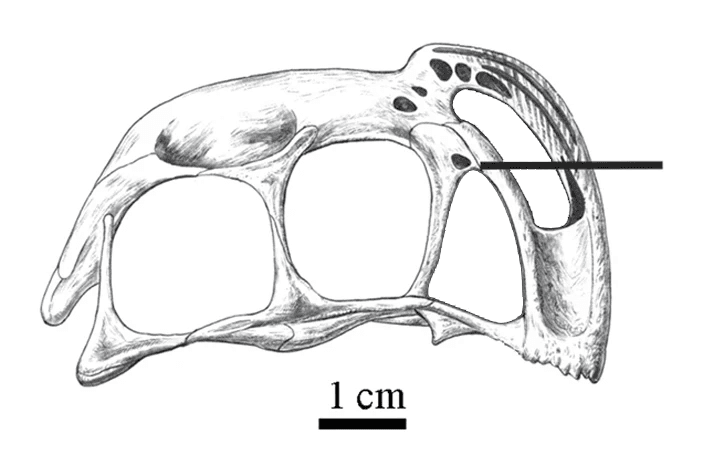
Banji is an extinct genus of oviraptorid dinosaur that lived approximately 66 million years ago in what is now China. This small, lightly built, ground-dwelling carnivore is known for its distinctive tall, crested skull with unique vertical striations.
Caihong
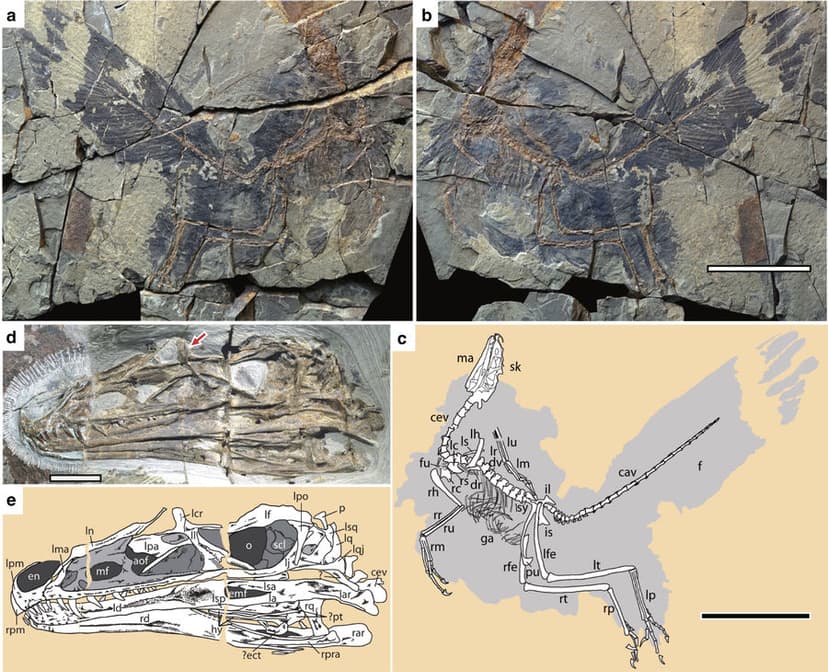
Caihong is a small paravian theropod dinosaur discovered in China, living during the Late Jurassic period. Its name, meaning 'rainbow' in Mandarin, reflects the spectacular preservation of its fossil, which includes soft tissues and extensive plumage. This well-preserved specimen offers significant insights into the evolution of feathered dinosaurs.
Changzhousaurus
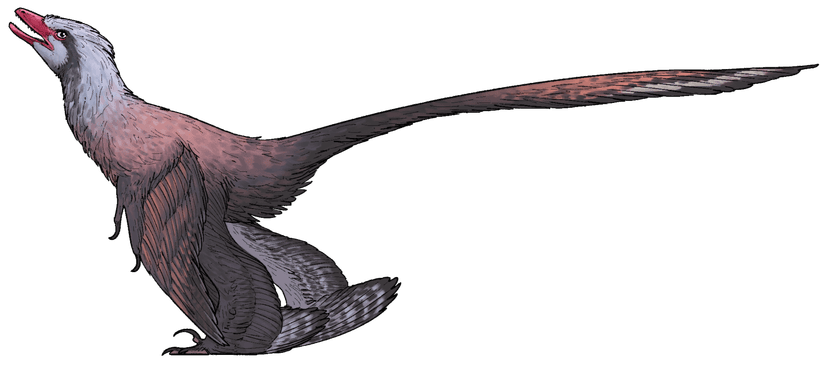
Changzhousaurus is a small, extinct paravian theropod dinosaur from the Early Cretaceous period of China. It is known from a nearly complete skeleton that showcases extensive feathering, including wing-like structures on its forelimbs and hindlimbs, and a tail fan. Its exact evolutionary relationships remain unclear due to a mosaic of anatomical features found in its fossils.