
Aublysodon
Aublysodon is a dubious genus of carnivorous dinosaurs known from isolated teeth discovered in the Judith River Formation of Montana, dating to the late Campanian stage of the Late Cretaceous period. The type species, Aublysodon mirandus, was named by Joseph Leidy in 1868, but its classification is uncertain as the primary fossil evidence is a single lost tooth. Similar teeth are often attributed to juvenile tyrannosaurids, potentially belonging to genera like Daspletosaurus.
Key Facts
- ›Known only from isolated teeth, making its classification uncertain.
- ›The genus is considered dubious (nomen dubium) by many paleontologists.
- ›Fossils are from the Judith River Formation in Montana.
- ›Dated to the late Campanian age of the Late Cretaceous period.
- ›Teeth are similar to those found in juvenile tyrannosaurids.
- ›Likely represents juvenile individuals of other tyrannosaurid genera, such as Daspletosaurus.
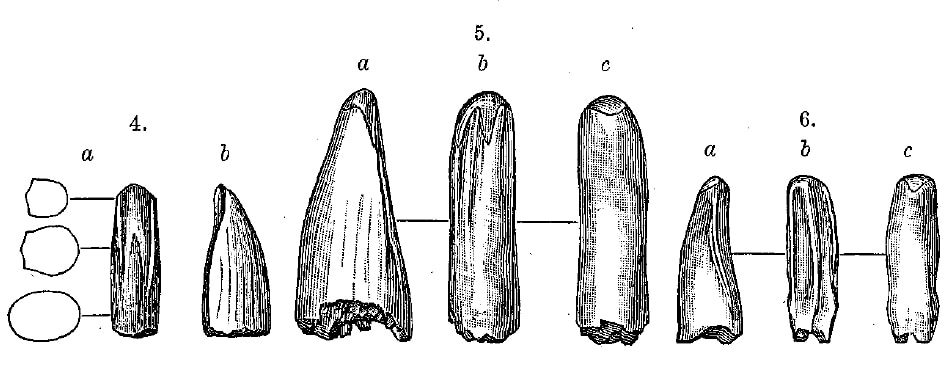
- Known only from isolated teeth.
- Teeth are described as premaxillary, non-serrated, and sometimes d-shaped in cross-section.
- Similar teeth suggest they likely belonged to juvenile Tyrannosaurid dinosaurs.
Daspletosaurus, Tyrannosaurus, Gorgosaurus, Tarbosaurus
Usa, Canada, Asia
About Aublysodon
Aublysodon is a genus of carnivorous dinosaurs that is now considered dubious by many paleontologists. Its existence is primarily known from isolated teeth discovered in the Judith River Formation of Montana, which dates to the late Campanian age of the Late Cretaceous period, around 75 million years ago. The type species, Aublysodon mirandus, was named by Joseph Leidy in 1868, but the defining fossil specimen, an isolated premaxillary tooth, is now lost.
Classification Challenges
The classification of Aublysodon is problematic because the fossil material consists solely of teeth. While these teeth share characteristics with those found in juvenile tyrannosaurids, they are difficult to definitively assign to a unique species. Many scientists believe that teeth attributed to Aublysodon actually belong to juvenile individuals of other well-established tyrannosaurid genera, such as Daspletosaurus, which lived in the same time and place. The lack of skeletal remains makes it impossible to determine the full anatomy or precise taxonomic placement of Aublysodon.
Historical Context
During the 19th century, many dinosaur genera were established based on isolated teeth, a practice that led to taxonomic confusion. Aublysodon falls into this category. Over time, various species have been assigned to the genus, but most have since been synonymized with other known dinosaurs, deemed dubious, or considered to have no close relation to the original A. mirandus type. The genus's potential association with juvenile tyrannosaurids means that if it represents a distinct biological entity, it would be a growth stage of a more recognized taxon, rather than a separate genus in its own right.
Source: Wikipedia ↗
Frequently Asked Questions
What does the name Aublysodon mean?
The name Aublysodon is thought to derive from Greek words. It's possibly a combination of 'au' (again, backwards), 'blyzo' (to spout, to flow), and 'odon' (tooth), suggesting 'backwards-flowing tooth'.
What is Aublysodon known from?
Aublysodon is known primarily from isolated teeth. The original type specimen for Aublysodon mirandus was a single premaxillary tooth, which is now lost.
Why is Aublysodon considered a dubious genus?
Aublysodon is considered dubious because the fossil evidence consists only of isolated teeth. It is difficult to definitively assign these teeth to a unique species or genus, and they are often interpreted as belonging to juveniles of other well-known tyrannosaurids.
When did Aublysodon live?
Aublysodon lived during the late Campanian age of the Late Cretaceous period, approximately 75 million years ago.
Where were Aublysodon fossils found?
Fossils attributed to Aublysodon have been found in the Judith River Formation in Montana, USA.
What did Aublysodon eat?
As a carnivorous dinosaur, Aublysodon would have been a meat-eater. Its classification as a tyrannosaurid suggests it was a predator.
Related Dinosaur species
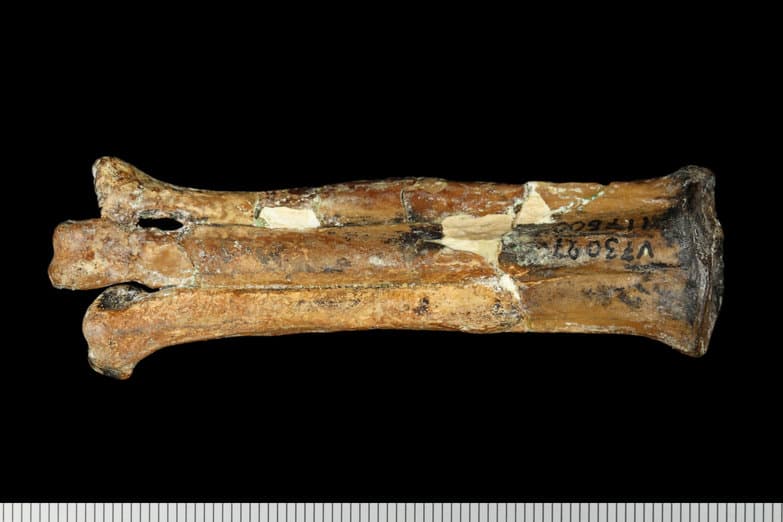
Avisaurus
Avisaurus is a genus of enantiornithine avialans that lived in North America during the Late Cretaceous period. This "bird lizard" is known for its large size among enantiornithines and its predatory nature, with inwardly curved claws suggesting it preyed on small vertebrates.
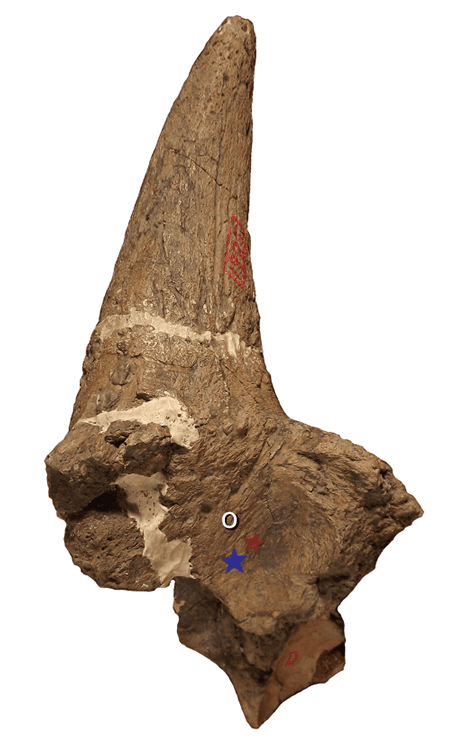
Ceratops
Ceratops is a dubious genus of herbivorous ceratopsian dinosaur from the Late Cretaceous period, known from fossils found in Montana's Judith River Formation. Despite its poorly understood nature, Ceratops holds historical significance as the type genus for both the Ceratopsia and Ceratopsidae groups. Its scientific name, meaning 'horn face,' reflects its most prominent feature.

Aquilops
Aquilops is an early herbivorous ceratopsian dinosaur that lived in North America during the Early Cretaceous period, roughly 109 to 104 million years ago. Discovered in Montana, its partial skull provided insights into the early evolution of neoceratopsian dinosaurs. The name "Aquilops" combines Latin and Greek for "eagle face," referencing its distinctive beaked snout.