
Baotianmansaurus
Baotianmansaurus is an extinct genus of somphospondylian sauropod dinosaur that lived during the Late Cretaceous period. Its fossils were discovered in the Gaogou Formation of Henan Province, China. While not as massive as some of its contemporaries, it was a medium-sized sauropod with estimated lengths of up to 22.5 meters.
Key Facts
- ›Fossils discovered in the Gaogou Formation of Henan Province, China.
- ›Type and only species is B. henanensis, named after the province.
- ›Estimated to be around 22.5 meters (74 ft) long and weigh up to 21 tonnes.
- ›Distinguished by unique features in its vertebrae, including a spongy character and short neural spines.
- ›Its exact phylogenetic position within sauropods remains a subject of debate among paleontologists.

- Medium-sized sauropod.
- Estimated length up to 22.5 meters.
- Estimated weight up to 21 tonnes.
- Distinctive vertebral features: spongy character, short neural spines, developed system of laminae, apneumatic ribs, amphicoelous caudal vertebrae.
- Distal end of a scapula preserved.
Dongyangosaurus, Jiangshanosaurus, Huanghetitan, Andesaurus, Abdarainurus, Opisthocoelicaudia
China
About Baotianmansaurus
What is Baotianmansaurus?
Baotianmansaurus is an extinct genus of somphospondylian sauropod dinosaur. Its fossils were discovered in the Late Cretaceous Gaogou Formation of Henan Province, China. The type and only species is B. henanensis, named after the province in which it was found.
Discovery and Naming
The fossils of Baotianmansaurus were unearthed at a site called Neixiang, near Nanyang City in Henan Province, China, within the Baotianman National Nature Reserve. The holotype, specimen 41HIII-0200, is housed at the Henan Geological Museum. The genus was described and named in April 2009 by a team of researchers including Zhang Xingliao, Lü Junchang, Xu Li, Li Jinhua, Hu Weiyong, Jia Songhai, Ji Qiang, and Zhang Chengjun.
Description and Characteristics
Baotianmansaurus was a medium-sized sauropod. While large in absolute terms, it was not among the largest sauropods of its time. Estimates for its full size vary, with some suggesting lengths of about 22.5 meters (74 ft) and weights up to 21 tonnes (46,000 lb), while others propose slightly smaller figures. The holotype specimen is relatively incomplete, consisting of vertebrae, ribs, and bone fragments. Baotianmansaurus can be distinguished from other sauropods by unique features in its vertebrae, such as a spongy texture, short neural spines on the middle back vertebrae, and apneumatic ribs.
Classification
The precise classification of Baotianmansaurus has been a subject of scientific debate. Initially assigned to an indeterminate position in Titanosauriformes, subsequent studies have placed it in various groups, including Saltasauridae, Titanosauria, Euhelopodidae, and more broadly within Somphospondyli. Its exact affinities remain unresolved due to the fragmentary nature of many specimens, though a close relationship with Dongyangosaurus has been consistently indicated by multiple analyses.
Source: Wikipedia ↗
Frequently Asked Questions
Where were Baotianmansaurus fossils found?
Fossils of Baotianmansaurus were discovered in Neixiang, near Nanyang City in Henan Province, China. This locality is part of the Gaogou Formation.
What does the name Baotianmansaurus mean?
The genus name 'Baotianmansaurus' is derived from the Baotianman Nature Reserve and the Greek word 'saurus,' meaning 'lizard.' The species name 'henanensis' refers to the Henan province where it was discovered.
How large was Baotianmansaurus?
Estimates for Baotianmansaurus suggest a length of about 22.5 meters (74 ft) and a weight of up to 21 tonnes (46,000 lb). Other estimates place it at 20 meters (66 ft) long and weighing 15 tonnes (33,000 lb).
What makes Baotianmansaurus unique?
Baotianmansaurus can be distinguished from other sauropods by several autapomorphies, including a spongy texture in its back vertebrae, short neural spines on the middle back vertebrae, and apneumatic ribs.
What is the classification of Baotianmansaurus?
The exact classification of Baotianmansaurus has been debated. While originally placed in an indeterminate position within Titanosauriformes, subsequent research has suggested various affiliations, including Saltasauridae, Titanosauria, Euhelopodidae, and Somphospondyli.
Related Dinosaur species
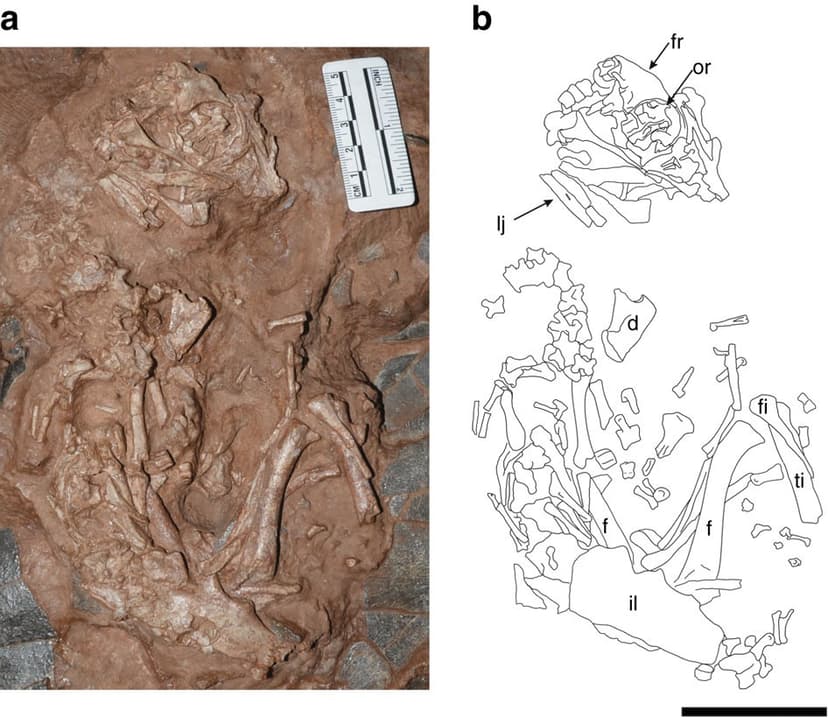
Beibeilong
Beibeilong is a genus of large caenagnathid dinosaurs that inhabited China during the Late Cretaceous epoch, approximately 96 to 88 million years ago. Known for its massive size, toothless jaws with a horny beak, and its association with some of the largest dinosaur eggs ever discovered, Beibeilong offers insights into the evolution and biology of giant oviraptorosaurs.
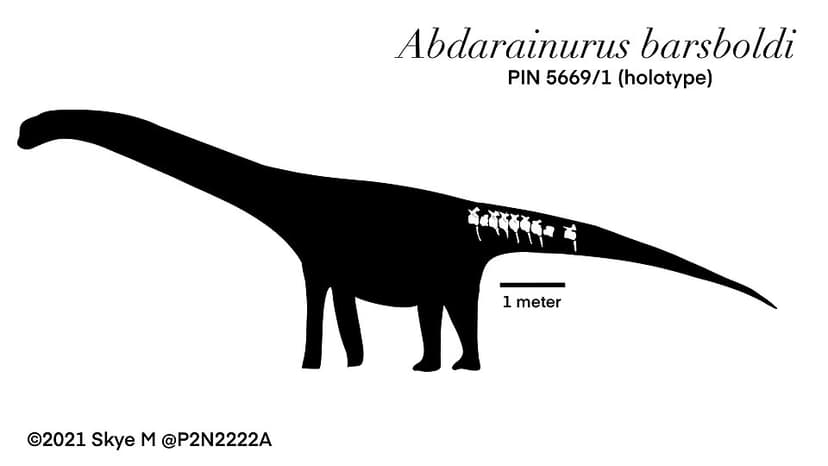
Abdarainurus
Abdarainurus is a genus of titanosaur dinosaur known from the Alagteeg Formation in Mongolia. The only known species, A. barsboldi, is currently considered an indeterminate titanosaur and might represent a previously undocumented lineage of Asian macronarians. Its existence is primarily evidenced by a limited number of tail vertebrae.
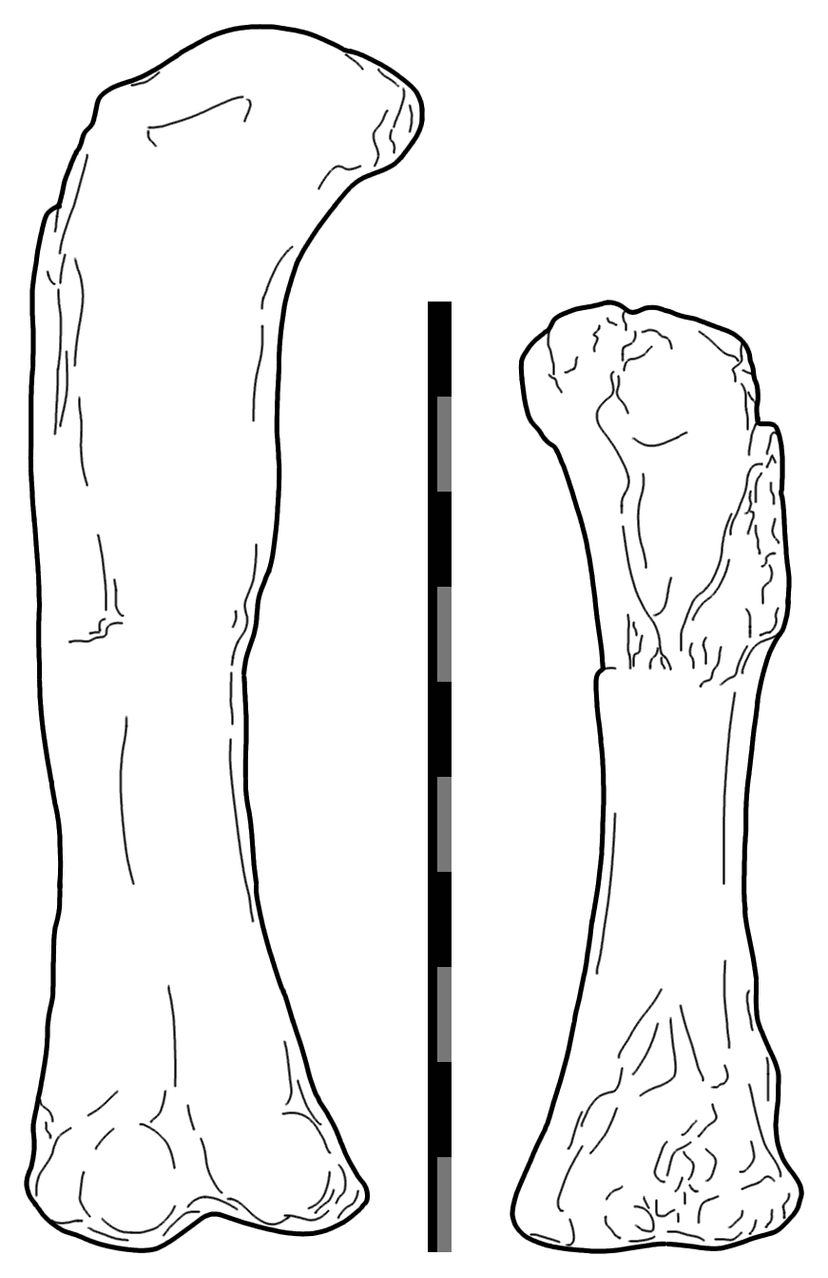
Aegyptosaurus
Aegyptosaurus was a genus of sauropod dinosaur that lived in Africa approximately 95 million years ago during the Late Cretaceous Period. Its fossils, though largely destroyed during World War II, were first discovered in Egypt and have also been found in Niger. The dinosaur is estimated to have been around 15 meters long and weighed about 7 tonnes.