
Barrosasaurus
Herbivore·Cretaceous·Neuquén province, Argentina·Quadrupedal
Barrosasaurus is a genus of titanosaurian sauropod dinosaur first described in 2009. Its fossils, consisting of three well-preserved but incomplete dorsal vertebrae, were discovered in the Anacleto Formation of Argentina. The genus was named in honor of the Sierra Barrosa, and the species epithet honors paleontologist Rodolfo Magín Casamiquela.
Key Facts
- ›Barrosasaurus was a titanosaurian sauropod.
- ›Fossils were found in the Anacleto Formation, Neuquén province, Argentina.
- ›The genus name references the Sierra Barrosa.
- ›The species epithet honors Rodolfo Magín Casamiquela.
- ›Estimated length is 18 meters (60 ft).
- ›Estimated weight is 13.5 tonnes (14.9 short tons).
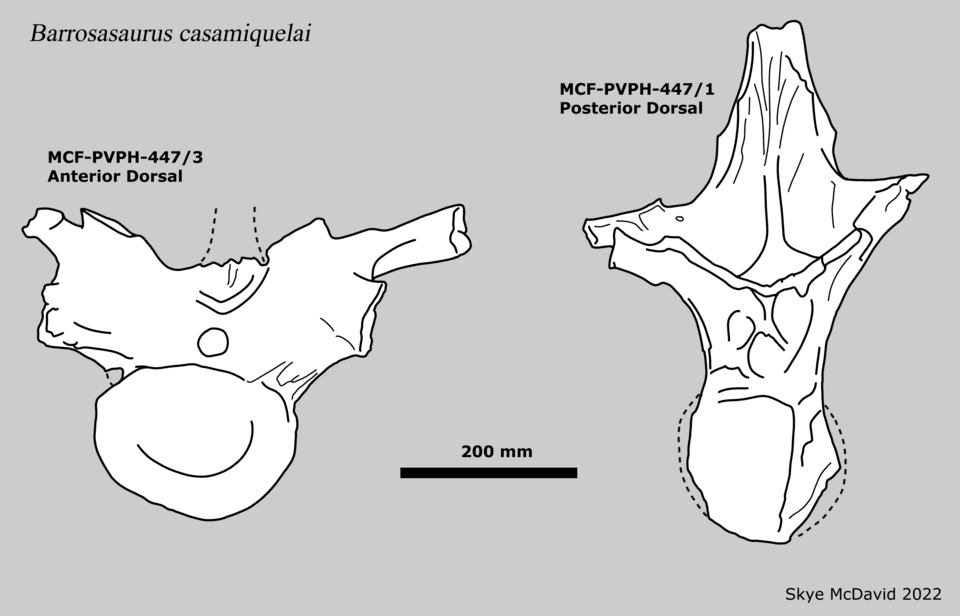
Titanosaurian Sauropod, Estimated Length: 18 Meters, Estimated Weight: 13.5 Tonnes, Fossil Remains Include Three Dorsal Vertebrae
Argentina
About Barrosasaurus
Barrosasaurus is a genus of titanosaurian sauropod dinosaur that roamed the Earth during the Cretaceous period. First described by paleontologists Leonardo Salgado and Rodolfo Coria in 2009, this dinosaur is known from a limited but well-preserved fossil record.
Fossil Discovery and Naming
The fossils attributed to Barrosasaurus consist of three dorsal (back) vertebrae. These remains were discovered in the Anacleto Formation, a significant geological site located in the Neuquén province of western Argentina. The genus name, Barrosasaurus, pays homage to the Sierra Barrosa, a prominent geographical feature in the Neuquén region. The specific epithet, casamiquelai, was chosen to honor the Argentinian paleontologist Rodolfo Magín Casamiquela.
Physical Characteristics and Diet
Based on the available fossil evidence, Barrosasaurus is estimated to have been a large dinosaur, reaching an approximate length of 18 meters (60 ft) and weighing around 13.5 tonnes (14.9 short tons). As a titanosaurian sauropod, Barrosasaurus was a herbivore, subsisting on plant matter. Its locomotion would have been quadrupedal, typical of large sauropods.
Source: Wikipedia ↗
Frequently Asked Questions
What type of dinosaur was Barrosasaurus?
Barrosasaurus was a titanosaurian sauropod, a group of long-necked, herbivorous dinosaurs.
Where were the fossils of Barrosasaurus discovered?
The fossils of Barrosasaurus were discovered in the Anacleto Formation, located in the Neuquén province of western Argentina.
What does the name Barrosasaurus mean?
The genus name, Barrosasaurus, is derived from the Sierra Barrosa in Neuquén. The specific epithet, casamiquelai, honors Argentinian paleontologist Rodolfo Magín Casamiquela.
How large was Barrosasaurus estimated to be?
Barrosasaurus is estimated to have been approximately 18 meters (60 ft) in length and weighed around 13.5 tonnes (14.9 short tons).
What fossils have been found for Barrosasaurus?
The fossil record for Barrosasaurus consists of three fossil dorsal (back) vertebrae, which are described as well-preserved but incomplete.
Related Dinosaur species
Abdarainurus
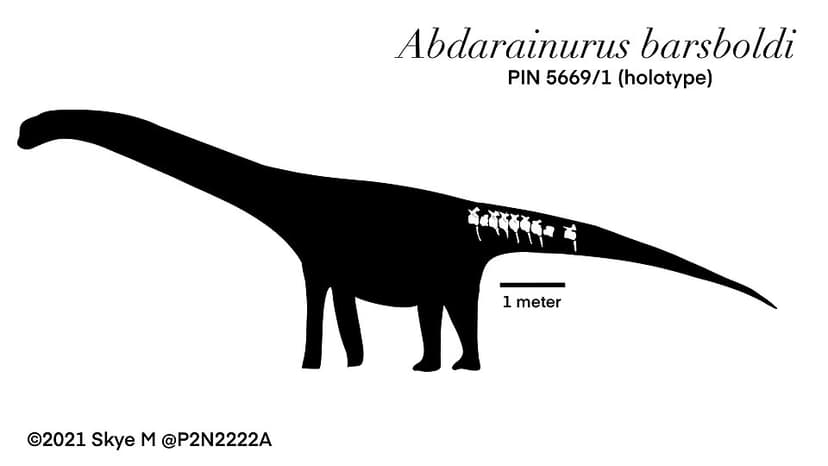
Abdarainurus is a genus of titanosaur dinosaur known from the Alagteeg Formation in Mongolia. The only known species, A. barsboldi, is currently considered an indeterminate titanosaur and might represent a previously undocumented lineage of Asian macronarians. Its existence is primarily evidenced by a limited number of tail vertebrae.
Aegyptosaurus
Aegyptosaurus was a genus of sauropod dinosaur that lived in Africa approximately 95 million years ago during the Late Cretaceous Period. Its fossils, though largely destroyed during World War II, were first discovered in Egypt and have also been found in Niger. The dinosaur is estimated to have been around 15 meters long and weighed about 7 tonnes.

Aepisaurus
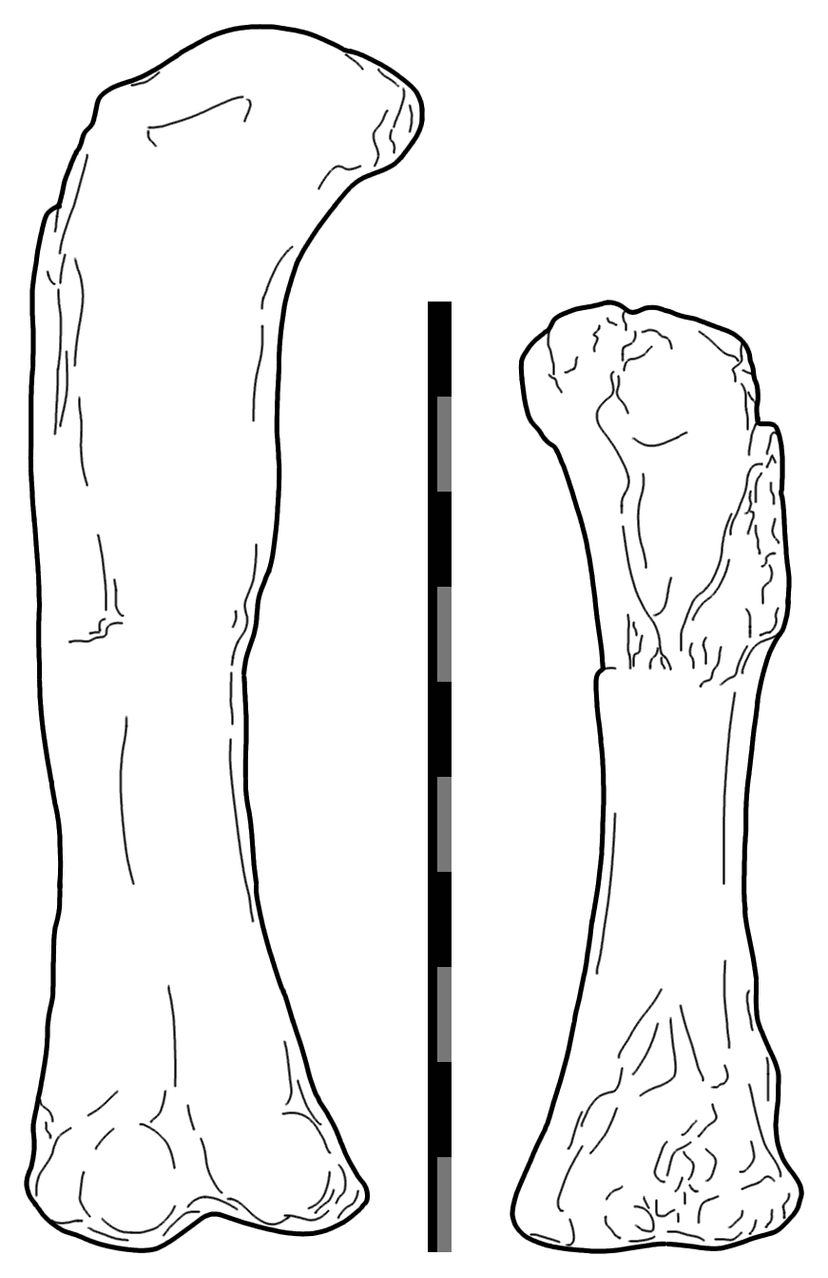
Aepisaurus was a genus of sauropod dinosaur that lived in France during the Early Cretaceous period, approximately 100.5 million years ago. It is considered an obscure and poorly understood dinosaur, known only from a single humerus, which is now partially lost. Due to the limited fossil evidence, its exact taxonomic placement remains uncertain.