
Borealosaurus
Herbivore·Cretaceous·Northern China·Quadrupedal
Borealosaurus is a genus of titanosaurian sauropod dinosaur discovered in northern China. The type species, Borealosaurus wimani, is known from fragmentary remains and lived during the Late Cretaceous period. Its morphology suggests potential links to other Mongolian titanosaurs, though its exact classification within the titanosaurian group is debated.
Key Facts
- ›Borealosaurus is a titanosaurian sauropod dinosaur.
- ›It lived in northern China during the Late Cretaceous period.
- ›The type species is Borealosaurus wimani.
- ›Fossil remains are fragmentary, primarily consisting of caudal vertebrae.
- ›Its classification as a non-lithostrotian titanosaur is suggested by the absence of procoely in its middle caudal vertebrae.

- Titanosaurian sauropod
- Known from fragmentary remains, including caudal vertebrae
Opisthocoelicaudia
China
About Borealosaurus
Borealosaurus is a genus of titanosaurian sauropod dinosaur that roamed the lands of northern China during the Late Cretaceous period. The type and only known species, Borealosaurus wimani, is named after the Greek word for the North wind ('Boreas') combined with 'sauros' (lizard), reflecting its northern discovery location. The species name, wimani, was chosen to honor Swedish paleontologist Carl Wiman, who was the first to name a Chinese dinosaur.
Fossil Evidence and Classification
The fossil remains of Borealosaurus wimani are fragmentary, primarily consisting of caudal vertebrae discovered in the Sunjiawan Formation of Liaoning. The morphology of a mid-distal caudal vertebra was once considered indicative of a relationship with the Mongolian titanosaur Opisthocoelicaudia. However, subsequent analysis by Averianov and Sues suggested that Borealosaurus might be a non-lithostrotian titanosaur, based on the notable absence of procoely in its middle caudal vertebrae. Despite these analyses, its precise placement within the diverse titanosaurian group remains a subject of scientific discussion due to the limited nature of the fossil material.
Source: Wikipedia ↗
Frequently Asked Questions
What kind of dinosaur was Borealosaurus?
Borealosaurus was a titanosaurian sauropod dinosaur. Sauropods were a group of long-necked, herbivorous dinosaurs.
Where was Borealosaurus found?
Fossils of Borealosaurus were discovered in northern China, specifically from the Sunjiawan Formation in Liaoning.
When did Borealosaurus live?
Borealosaurus lived during the Late Cretaceous period, a significant era in dinosaur evolution.
What does the name Borealosaurus mean?
The scientific name Borealosaurus is derived from the Greek word 'Boreas,' meaning North wind, and 'sauros,' meaning lizard. The species name, wimani, honors Swedish paleontologist Carl Wiman.
How complete is the fossil record for Borealosaurus?
The fossil record for Borealosaurus is considered fragmentary. The type species is based on limited remains, primarily caudal vertebrae.
Related Dinosaur species
Abdarainurus
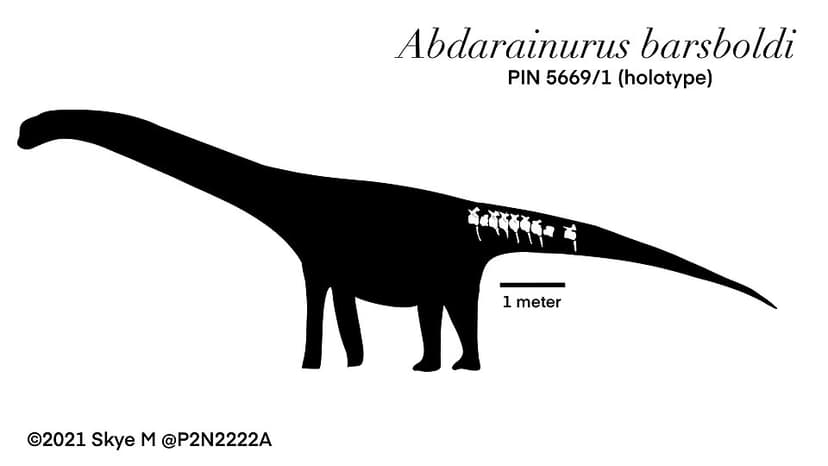
Abdarainurus is a genus of titanosaur dinosaur known from the Alagteeg Formation in Mongolia. The only known species, A. barsboldi, is currently considered an indeterminate titanosaur and might represent a previously undocumented lineage of Asian macronarians. Its existence is primarily evidenced by a limited number of tail vertebrae.
Aegyptosaurus
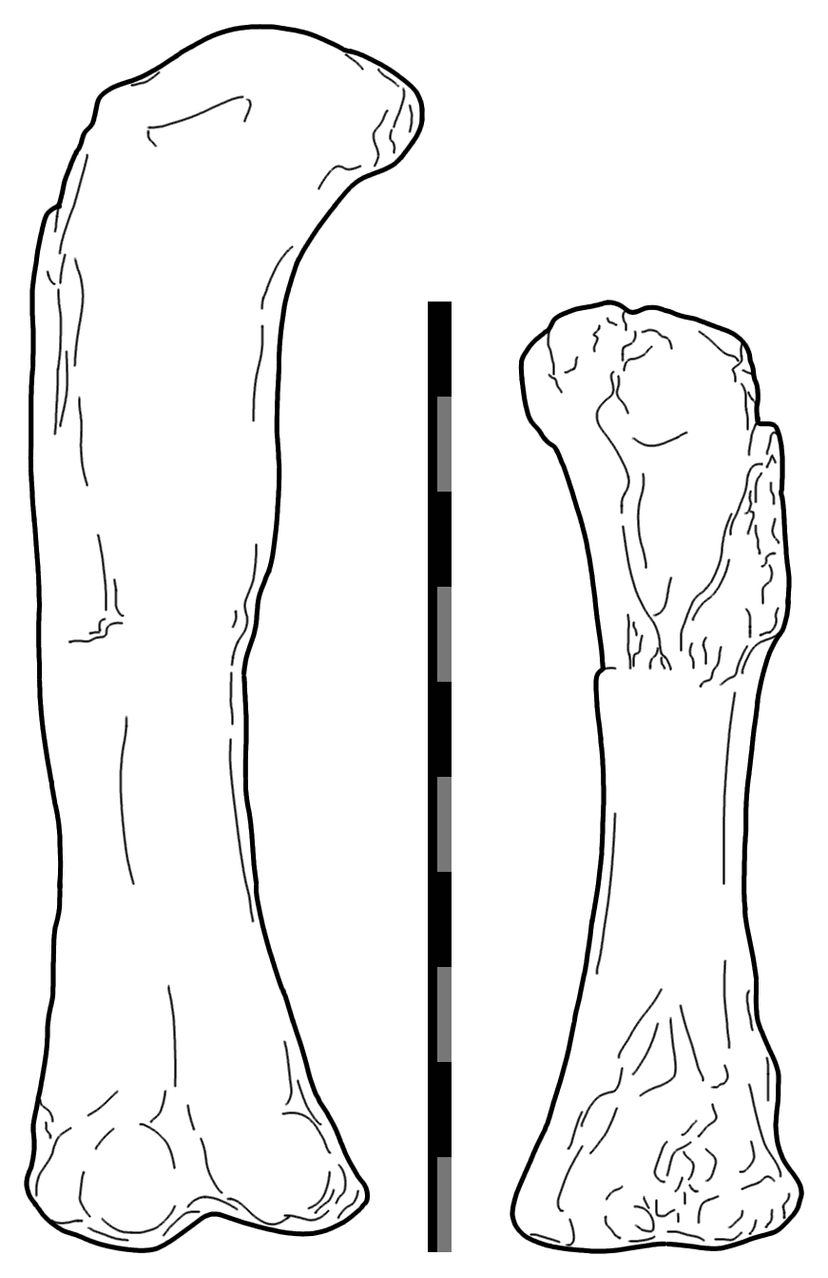
Aegyptosaurus was a genus of sauropod dinosaur that lived in Africa approximately 95 million years ago during the Late Cretaceous Period. Its fossils, though largely destroyed during World War II, were first discovered in Egypt and have also been found in Niger. The dinosaur is estimated to have been around 15 meters long and weighed about 7 tonnes.

Aepisaurus
Aepisaurus was a genus of sauropod dinosaur that lived in France during the Early Cretaceous period, approximately 100.5 million years ago. It is considered an obscure and poorly understood dinosaur, known only from a single humerus, which is now partially lost. Due to the limited fossil evidence, its exact taxonomic placement remains uncertain.