
Brachytrachelopan
Brachytrachelopan was a genus of short-necked sauropod dinosaur that lived in Argentina during the Late Jurassic period. It is distinguished by its unusually short neck, which was about 40% shorter than other dicraeosaurids and the shortest of any known sauropod. This specialized morphology suggests it occupied a unique ecological niche, likely feeding on low-growing vegetation.
Key Facts
- ›Brachytrachelopan is a genus of short-necked sauropod dinosaur.
- ›Fossils were discovered in the CañADón Calcáreo Formation of Argentina.
- ›It lived during the Late Jurassic period (Oxfordian to Tithonian).
- ›The genus name means "short-necked Pan", referencing the god of shepherds.
- ›Estimated to be 10-11 meters long and weigh 5 metric tons.
- ›Its very short neck was a specialization for a low-browsing diet.

- Very short neck
- Length: 10-11 meters
- Body mass: 5 metric tons
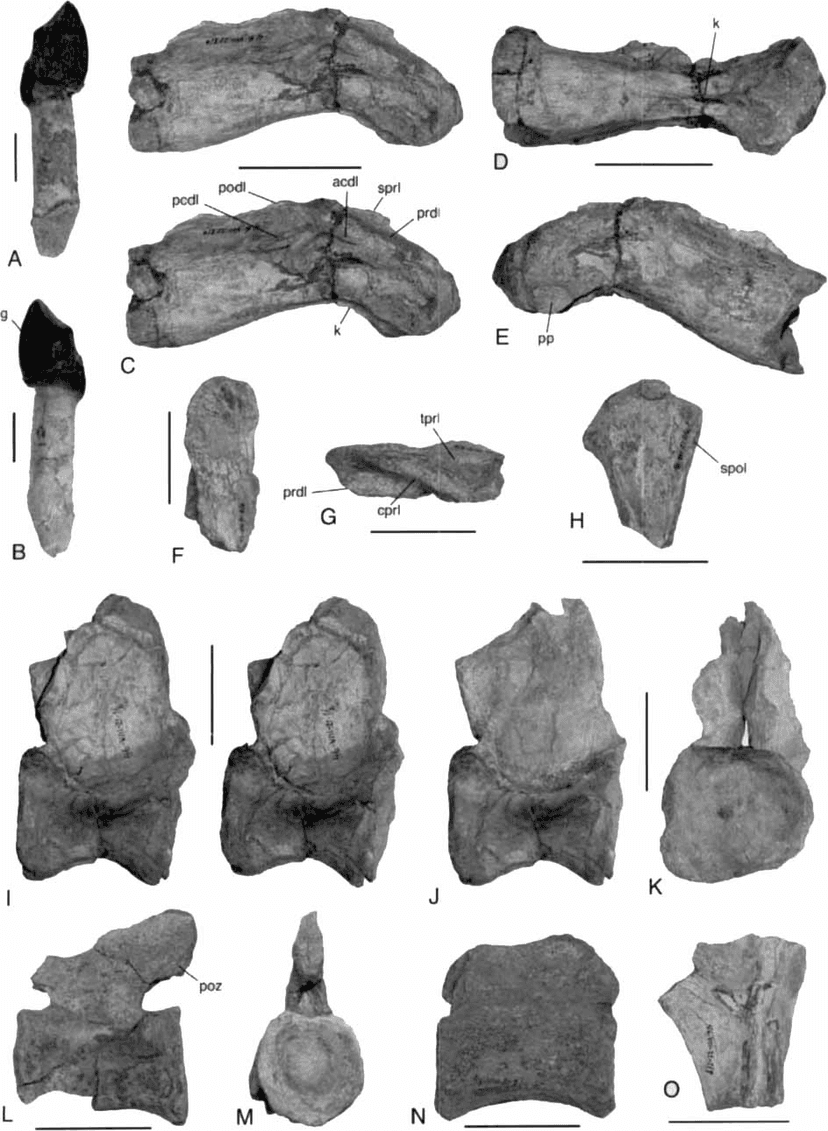
- Cervical vertebrae were as long as, or shorter than, they were high posteriorly.
- Pronounced, pillar-like centropostzygapophyseal lamina in cervical vertebrae.
- Pronounced anterior inclination in mid-cervical neural spines.
- Anterior dorsal neural spines with vertical bases and anteriorly flexed tips.
Dicraeosaurus, Amargasaurus
South America
About Brachytrachelopan
Brachytrachelopan is a genus of sauropod dinosaur characterized by its exceptionally short neck, a feature that sets it apart from most other long-necked sauropods. This unique characteristic suggests a specialized feeding strategy and ecological niche within its Late Jurassic environment.
Description and Physical Characteristics
This dinosaur is estimated to have measured between 10 and 11 meters (33 to 36 feet) in length and weighed approximately 5 metric tons (5.5 short tons). Its most striking feature is its neck, which was about 40% shorter than those of its relatives in the Dicraeosauridae family, making it the shortest-necked sauropod known. Anatomical details of its cervical vertebrae, including their proportions and the structure of the neural spines, further distinguish Brachytrachelopan. The fusion of vertebral elements in the holotype specimen indicates it was an adult, meaning its small size was not due to immaturity.
Classification and Paleoecology
Brachytrachelopan belongs to the infraorder Sauropoda, specifically within the Neosauropoda, Diplodocoidea, and the family Dicraeosauridae. Its short neck is interpreted as an adaptation for low browsing, likely feeding on vegetation found between 1 and 2 meters above the ground. This specialization may have allowed Brachytrachelopan and other dicraeosaurids to occupy ecological niches not exploited by larger, more generalized sauropods, potentially competing with large ornithopods in similar environments on other continents.
Discovery
The holotype and only known specimen of Brachytrachelopan was unearthed in the Cañadón Calcáreo Formation in Chubut Province, Argentina. The fossils were discovered in fluvial sandstone deposits. The genus was formally described and named by Rauhut and colleagues in 2005. The specific name, mesai, honors Daniel Mesa, a local shepherd who found the specimen while searching for lost sheep.
Source: Wikipedia ↗
Frequently Asked Questions
What does Brachytrachelopan mean?
The genus name Brachytrachelopan translates to "short-necked Pan." Pan was the Greek god of shepherds, and the name reflects the dinosaur's notably short neck and the discovery by a local shepherd.
When did Brachytrachelopan live?
Brachytrachelopan lived during the Late Jurassic epoch, specifically from the Oxfordian to the Tithonian stages. This places its existence roughly between 163.5 and 145 million years ago.
Where were Brachytrachelopan fossils found?
The only known specimen of Brachytrachelopan was discovered in the Cañadón Calcáreo Formation in Chubut Province, west-central Argentina, South America. The fossils were found on a hill north-northeast of Cerro Cóndor.
What was unique about Brachytrachelopan's neck?
Brachytrachelopan possessed an exceptionally short neck, approximately 40% shorter than that of other dicraeosaurids and the shortest documented among all sauropods. This feature set it apart from its long-necked relatives.
What did Brachytrachelopan eat?
The specialized morphology of Brachytrachelopan's short neck, with restricted dorsal flexion, suggests it was adapted for low browsing. It likely fed on plants growing at heights of between about 1 and 2 meters.
How large was Brachytrachelopan?
Brachytrachelopan was relatively small for a sauropod, measuring an estimated 10 to 11 meters (33 to 36 feet) in length. Its body mass is estimated to have been around 5 metric tons (5.5 short tons).
Related Dinosaur species

Aeolosaurus
Aeolosaurus was a genus of titanosaurian sauropod dinosaur that lived in South America during the Late Cretaceous Period. Characterized by a long neck and tail, it was a quadrupedal herbivore. The genus is well-represented, with remains from several individuals belonging to at least two species, though no skull material has been recovered.

Amargasaurus
Amargasaurus is a genus of sauropod dinosaur that lived in what is now Argentina during the Early Cretaceous epoch. It is distinguished by two parallel rows of tall spines running down its neck and back, a feature unique among known sauropods. While relatively small for a sauropod, Amargasaurus was a herbivore with a body plan typical of its group, characterized by a long tail, short neck, and barrel-shaped trunk.
Amygdalodon
Amygdalodon was a basal sauropod dinosaur that lived in Argentina during the Early Jurassic period. It is known from fragmentary remains, including teeth, vertebrae, ribs, and parts of the pelvis and shoulder blade. Despite its limited fossil record, Amygdalodon provides insights into early sauropod evolution in South America.