
Bradycneme
Bradycneme is a genus of theropod dinosaur from the Late Cretaceous period of Romania. The type species, Bradycneme draculae, is known from a partial lower leg. Initially described as a giant owl, its remains have since been reassessed and are now generally considered to belong to a small theropod dinosaur.
Key Facts
- ›Bradycneme lived during the Late Cretaceous period (Maastrichtian stage).
- ›Its fossils were discovered in the Sânpetru Formation of the Hațeg Basin, Transylvania, Romania.
- ›The genus name "Bradycneme" means "ponderous leg" in Ancient Greek.
- ›The specific name "draculae" references the Dracula legend.
- ›Fossil remains are fragmentary, primarily consisting of a partial lower leg.
- ›Its classification has been debated, with suggestions ranging from basal Tetanurae to alvarezsaurids and indeterminate maniraptorans.
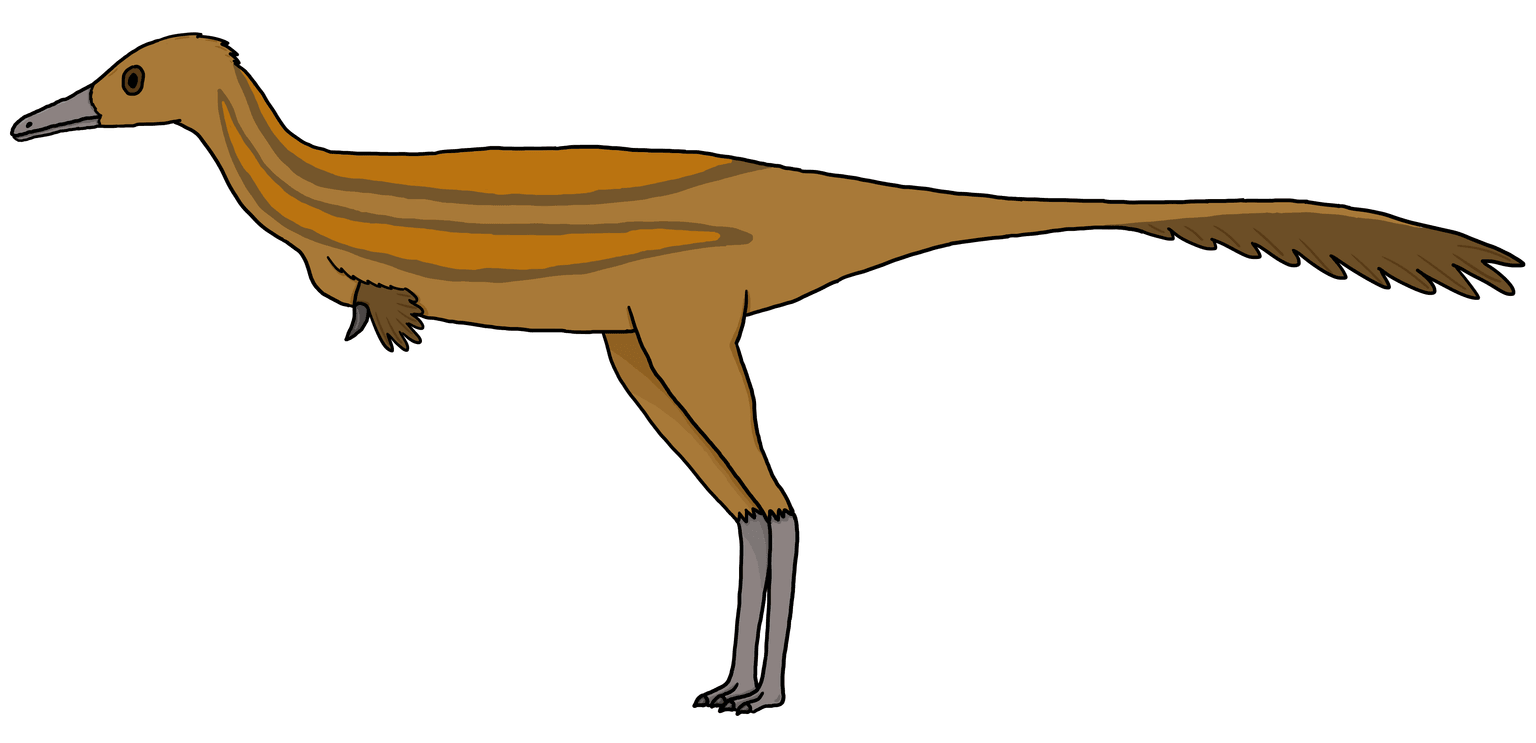
- Known from a partial right lower leg.
- The leg bone is described as stout.
- Estimated body height around 2 meters if it were an owl, but this estimate is debated for its dinosaurian form.
Heptasteornis Andrewsi, Elopteryx Nopcsai
Europe
About Bradycneme
Bradycneme is a genus of theropod dinosaur that lived during the Late Cretaceous period in what is now Romania. The most well-known species, Bradycneme draculae, is known primarily from a partial right lower leg bone discovered in the Sânpetru Formation of the Hațeg Basin in Transylvania. This discovery occurred in an area historically associated with the Dracula legend, hence the specific name "draculae."
History and Classification
The remains were first described in 1975 by Harrison and Walker. Initially, these fossils were mistakenly identified as belonging to a giant owl, partly due to the stout nature of the leg bone. However, subsequent research, beginning with Pierce Brodkorb, led to comparisons with small theropod dinosaurs. The fragmentary nature of the fossils has led to considerable debate regarding Bradycneme's precise taxonomic placement. Over time, it has been synonymized with, split from, and reassessed alongside other Romanian dinosaur genera like Heptasteornis and Elopteryx. While some studies have suggested it may be a basal member of Tetanurae or an alvarezsaurid, it is generally accepted as an indeterminate maniraptoran theropod.
Physical Characteristics and Paleoenvironment
Due to the limited fossil material, detailed descriptions of Bradycneme's appearance are scarce. The holotype specimen, a distal tibiotarsus, suggests a stout limb. If it were an owl, as initially proposed, the animal might have stood around 2 meters tall, but this estimate is not directly applicable to its theropod form. Bradycneme inhabited the terrestrial ecosystems of the Hațeg Basin during the Maastrichtian stage of the Late Cretaceous, a time when this region harbored a unique assemblage of dwarf dinosaurs and other fauna.
Source: Wikipedia ↗
Frequently Asked Questions
What does the name Bradycneme mean?
The name Bradycneme comes from the Ancient Greek words "bradys" (slow, ponderous) and "kneme" (leg). This name was chosen because the holotype specimen of its lower leg was considered very stout.
Where were Bradycneme fossils found?
Fossils of Bradycneme were discovered in the Sânpetru Formation, located in the Hațeg Basin of Transylvania, Romania.
What period did Bradycneme live in?
Bradycneme lived during the Upper Cretaceous period, specifically the Maastrichtian stage, which is the final stage of the Cretaceous.
What was Bradycneme originally thought to be?
When first described, the remains of Bradycneme were believed by its original describers to belong to a giant owl due to the stoutness of the leg bone.
What is the current understanding of Bradycneme's classification?
While initially thought to be a bird, Bradycneme is now widely considered a small theropod dinosaur. Its exact classification within theropods has been debated, with proposals including basal Tetanurae, alvarezsaurid, or an indeterminate maniraptoran.
What does the specific name 'draculae' refer to?
The specific name 'draculae' is derived from the Romanian word 'dracul,' meaning 'the dragon.' It is a reference to the famous Dracula legend associated with the region.
Related Dinosaur species

Balaur
Balaur bondoc was a species of paravian theropod dinosaur that lived in what is now Romania during the Late Cretaceous period, approximately 70 million years ago. Known for its stocky build and unique double sickle claws, Balaur is thought to have been adapted to an island environment, exhibiting characteristics of island syndrome. Its exact classification remains debated, with some researchers placing it among dromaeosaurids and others considering it a basal avialan.
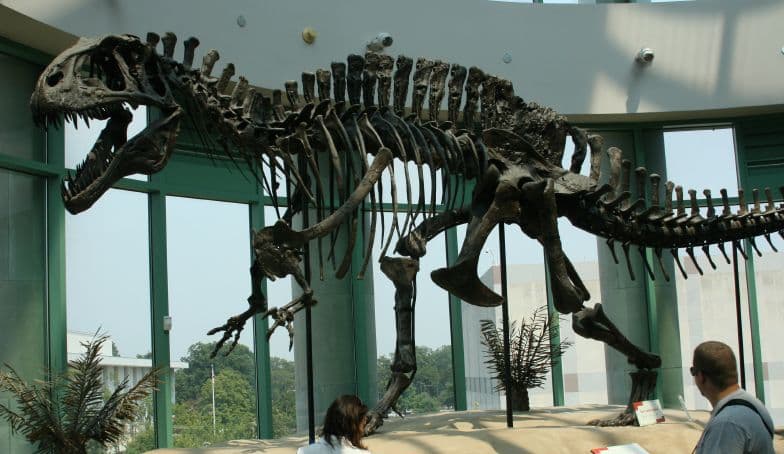
Acrocanthosaurus
Acrocanthosaurus is a genus of large theropod dinosaurs that roamed North America during the Early and Late Cretaceous periods. Known for its distinctive high neural spines along its back, it was one of the largest predators in its ecosystem, likely preying on large herbivores.

Afromimus
Afromimus tenerensis is a genus of theropod dinosaur from the Early Cretaceous period, discovered in Niger. Initially classified as an ornithomimosaur, later analyses suggest it belongs to the Abelisauroidea superfamily, possibly within the Noasauridae family. Its fossils indicate an adult size of approximately 4.14 meters in length.