
Burianosaurus
Unknown·Late Cretaceous·Czech Republic·Unknown
Burianosaurus is an extinct genus of ornithopod dinosaur that lived during the Cenomanian stage of the Late Cretaceous period in what is now the Czech Republic. It holds the distinction of being the first validly named dinosaur from that country. The genus name honors the Czech palaeoartist Zdeněk Burian, and the species name honors palaeontologist Josef Augusta.
Key Facts
- ›Burianosaurus is the first validly named dinosaur from the Czech Republic.
- ›It lived during the Cenomanian stage of the Late Cretaceous period.
- ›The genus name honors palaeoartist Zdeněk Burian.
- ›The species name honors palaeontologist Josef Augusta.
- ›The holotype specimen is a femur discovered in 2003.
- ›It was initially described as possibly belonging to an iguanodont.
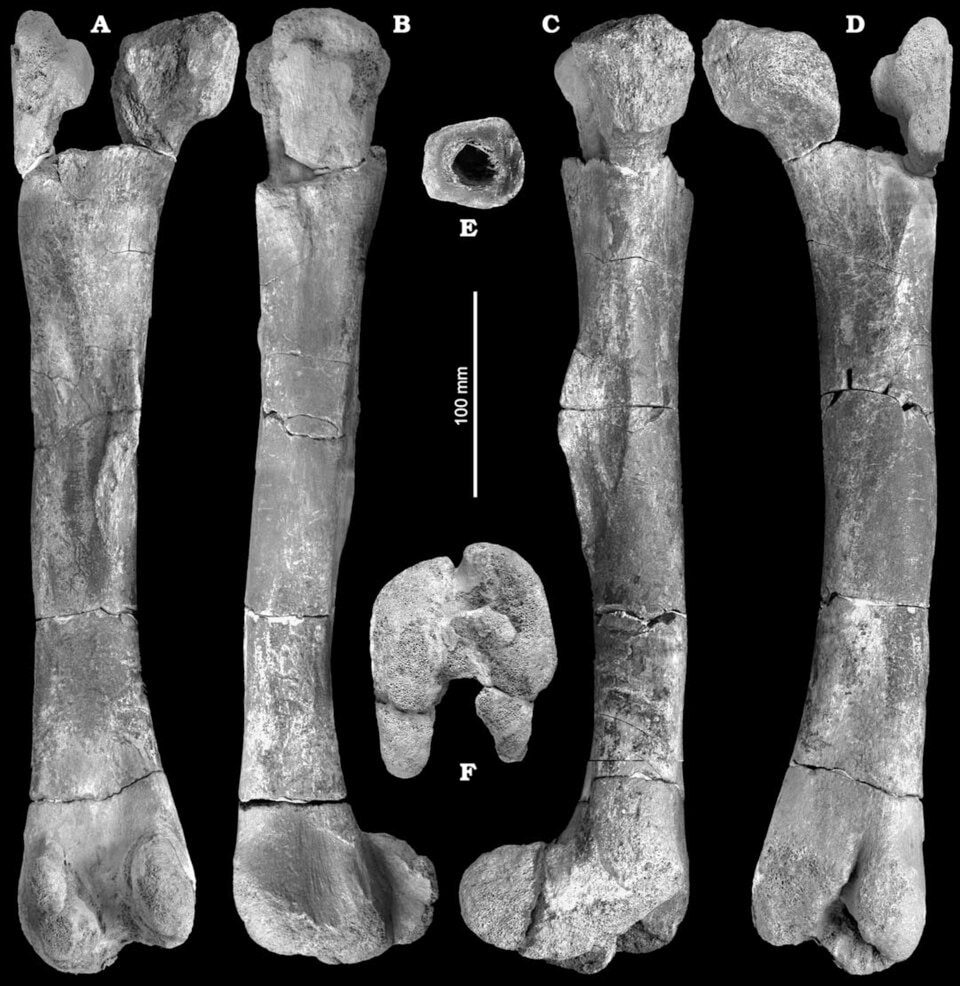
Holotype specimen is a femur.
Iguanodontidae, Rhabdodon
Czech Republic
About Burianosaurus
Burianosaurus is an extinct genus of ornithopod dinosaur that is significant for being the first validly named dinosaur from the Czech Republic. This dinosaur roamed during the Cenomanian stage of the Late Cretaceous period. The genus name, Burianosaurus, serves as an honorific for the esteemed Czech palaeoartist Zdeněk Burian, while the species name, augustai, is dedicated to the Czech palaeontologist Josef Augusta.
Discovery and Classification
The holotype specimen of Burianosaurus, consisting of a femur, was unearthed in 2003 from sediments belonging to the Peruc-Korycany Formation. Initial descriptions in 2005 suggested a possible affinity with iguanodonts. Later phylogenetic analyses, conducted by Madzia et al. in 2017 when the genus was formally named, placed Burianosaurus within the Rhabdodontomorpha clade, or as a very basal ornithopod situated as a sister taxon to Iguanodontia, depending on the analytical matrix used.
Source: Wikipedia ↗
Frequently Asked Questions
What does the name Burianosaurus mean?
The genus name, Burianosaurus, honors the renowned Czech palaeoartist Zdeněk Burian. The species name, augustai, pays tribute to the Czech palaeontologist Josef Augusta.
Where was Burianosaurus discovered?
Fossils of Burianosaurus were discovered in sediments belonging to the Peruc-Korycany Formation, located in what is now the Czech Republic.
When did Burianosaurus live?
Burianosaurus lived during the Cenomanian stage of the Late Cretaceous period.
What type of dinosaur was Burianosaurus?
Burianosaurus is classified as an ornithopod dinosaur. Phylogenetic analyses suggest it was either within the Rhabdodontomorpha clade or one of the most basal ornithopods, sister to Iguanodontia.
What is the significance of Burianosaurus?
Burianosaurus is significant as the first dinosaur species to be validly named from the Czech Republic, contributing to the paleontological record of the region.
Related Dinosaur species
Albinykus
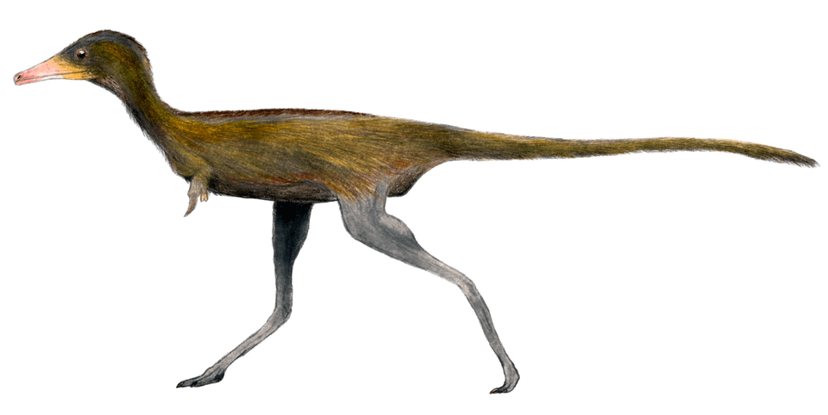
Albinykus is a genus of small alvarezsaurid dinosaur discovered in Mongolia's Gobi Desert. Living during the Late Cretaceous period, it was notable for its extremely small size, weighing under 1 kilogram, and a unique fusion of tarsal bones in its legs, a feature not observed in other alvarezsaurids. Its fossil remains suggest a posture similar to that of modern birds, hinting at the close evolutionary link between non-avian dinosaurs and birds.

Amtocephale
Amtocephale is a genus of pachycephalosaurid dinosaur discovered in the southern Gobi Desert of Mongolia. Known from a nearly complete frontoparietal dome, it represents a subadult individual. Amtocephale is considered a potentially very old representative of its family, dating back to the early Late Cretaceous period.
Anomalipes
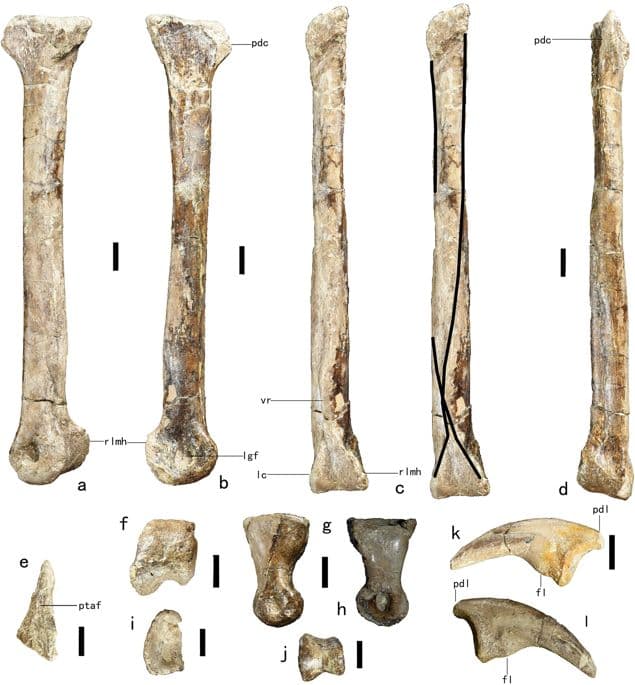
Anomalipes is an extinct genus of oviraptorosaurian dinosaurs from the Late Cretaceous period of China. Known from a partial hindlimb, its name, meaning "unusual foot," reflects the peculiar shape of its foot bones. The only known species, Anomalipes zhaoi, was named in honor of Zhao Xijin.