
Chilantaisaurus
Chilantaisaurus was a large, extinct theropod dinosaur that inhabited what is now China during the Late Cretaceous period. Known primarily from an incomplete skeleton, it was characterized by its massive forelimbs, particularly its humerus, and robust hindlimbs. Its exact classification has been a subject of debate among paleontologists, with various studies placing it within or related to groups like Carcharodontosauria, Spinosauridae, or Coelurosauria.
Key Facts
- ›Chilantaisaurus lived in China during the Late Cretaceous period.
- ›It was a large theropod, estimated to be around 11 meters (36 ft) long and weighing 2.5–4 metric tons.
- ›Its humerus was exceptionally large, measuring 580 mm (23 in) and featuring a prominent deltopectoral crest.
- ›The hindlimbs were long and robust, with a metatarsus larger than that of any known megaraptoran.
- ›Its classification has been debated, with proposed affiliations including Carcharodontosauria, Spinosauridae, and Coelurosauria (possibly related to Megaraptora).
- ›Fossils were discovered in the Ulansuhai Formation, indicating a floodplain environment with meandering rivers.

- Estimated length of 11 meters
- Estimated weight of 2.5–4 metric tons
- Massive humerus with an expanded deltopectoral crest
- Long and robust hindlimbs with a large metatarsus
- Giant, elongate manual ungual
- Thin ilium fragment relative to size
Neovenator, Mapusaurus, Suchomimus, Sinornithomimus, Sinocephale
China
About Chilantaisaurus
Chilantaisaurus, meaning "Jilantai Salt Lake lizard," is an extinct genus of large theropod dinosaur that roamed the land that is now China during the Late Cretaceous period. Described by paleontologist Hu Show-Yung in 1964, the genus is primarily known from a single, incomplete postcranial skeleton. This specimen was unearthed in the Ulansuhai Formation of Inner Mongolia, with the rock layers dating to the Santonian or Campanian stages, roughly 85.7 to 72.2 million years ago.
Physical Characteristics and Size
Chilantaisaurus was a substantial theropod, estimated to have reached lengths of around 11 meters (36 feet) and weighed between 2.5 to 4 metric tons. It is notable for its massive forelimbs, particularly its humerus, which measured 580 millimeters (23 inches) and possessed a greatly expanded deltopectoral crest. The ratio of its humerus to femur length is comparable to that of spinosaurids, distinguishing it from carcharodontosaurids. The hindlimbs were long and robust, featuring a metatarsus that was larger than that found in any known megaraptoran or Neovenator.
Classification and Paleoecology
The taxonomic classification of Chilantaisaurus has been a subject of considerable debate since its initial description. Hu initially placed it within Carnosauria. However, subsequent studies have proposed various affiliations, including Spinosauridae, Coelurosauria (potentially related to Megaraptora), or Carcharodontosaurian groups like Neovenator. The Ulansuhai Formation, where its fossils were found, is characterized by red mudstone and siltstone, indicating a floodplain environment with meandering rivers. Other dinosaurs known from this formation include the ornithomimosaur Sinornithomimus and the pachycephalosaur Sinocephale.
Source: Wikipedia ↗
Frequently Asked Questions
What does the name Chilantaisaurus mean?
The name Chilantaisaurus means "Jilantai Salt Lake lizard." It is derived from the Chinese name for the salt lake near where its fossils were found and the Greek word 'sauros,' meaning 'lizard.'
How large was Chilantaisaurus?
Chilantaisaurus was a large theropod, estimated to be approximately 11 meters (36 feet) in length. Its weight is estimated to have been between 2.5 to 4 metric tons.
What are the most distinctive physical features of Chilantaisaurus?
The most notable physical characteristic of Chilantaisaurus is its exceptionally large humerus, which is among the largest known from any non-coelurosaurian theropod. Its hindlimbs were also long and robust, featuring a large metatarsus.
Where were the fossils of Chilantaisaurus found?
Fossils of Chilantaisaurus were discovered at the Tashuikou site in Inner Mongolia, China. This site is located in the eastern Alashan Desert, near Jilantai Salt Lake.
What is the geological period of Chilantaisaurus?
Chilantaisaurus lived during the Late Cretaceous period. The rock layers where its fossils were found, the Ulansuhai Formation, are thought to date to the Santonian or Campanian stages, approximately 85.7 to 72.2 million years ago.
What was the diet of Chilantaisaurus?
As a theropod dinosaur, Chilantaisaurus was likely a carnivore. Theropods are generally characterized by their predatory lifestyles and meat-based diets.
What is the classification of Chilantaisaurus?
The classification of Chilantaisaurus has been a subject of ongoing debate. It has been proposed to be a member of Carnosauria, Spinosauridae, or Coelurosauria, with some studies suggesting a relationship with Megaraptora or Carcharodontosaurian groups like Neovenator.
Related Dinosaur species
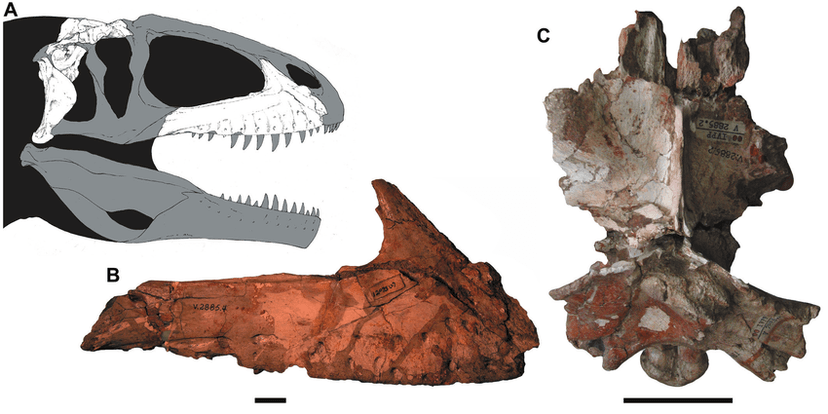
Alashansaurus
Shaočilong (meaning "shark toothed dragon") was an extinct genus of theropod dinosaur that lived during the Early Cretaceous period in what is now China. Initially classified as a carcharodontosaurid, its exact phylogenetic placement has been subject to debate, with some studies suggesting it may be a tyrannosauroid or a member of the polytomic allosauroid group. Shaochilong was a relatively small carnosaur, estimated to be around 5 to 6 meters in length and weighing approximately 500 kilograms.
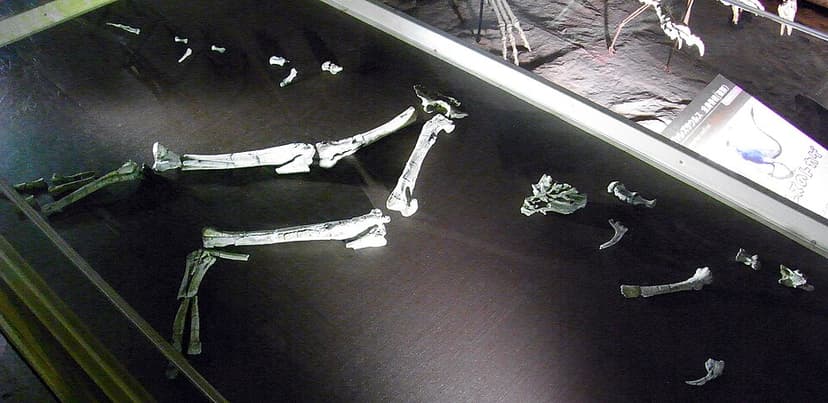
Bannykus
Bannykus is an extinct genus of alvarezsauroid dinosaur that lived during the Early Cretaceous period. Discovered in Inner Mongolia, China, this theropod is notable for its transitional forelimb morphology, which showed significant reduction but was less specialized than later alvarezsauroids. Evidence suggests Bannykus was a carnivore, likely using its forelimbs for digging.

Archaeornithomimus
Archaeornithomimus was a medium-sized ornithomimosaurian theropod dinosaur that lived in what is now Inner Mongolia, China, during the Late Cretaceous period, approximately 96 million years ago. Named "ancient bird mimic," this dinosaur is thought to have been an omnivore, potentially feeding on plants, fruits, eggs, and small animals, and it likely possessed feathers and a keratinous beak.