
Deinodon
Deinodon is a genus of tyrannosaurid dinosaur known only from fossilized teeth discovered in the Late Cretaceous Judith River Formation of Montana. These teeth were the first tyrannosaurid remains to be described by paleontologist Joseph Leidy in 1856. However, Deinodon is largely considered a dubious genus, as its teeth are indistinguishable from those of other tyrannosaurids like Gorgosaurus and Daspletosaurus, and no skeletal remains have been definitively assigned to it.
Key Facts
- ›Known only from fossilized teeth found in Montana.
- ›The first tyrannosaurid remains to be described.
- ›Named by Joseph Leidy in 1856.
- ›Considered a dubious genus (nomen dubium) by most paleontologists.
- ›Teeth are indistinguishable from Gorgosaurus and Daspletosaurus.
- ›Possibly synonymous with Gorgosaurus libratus.
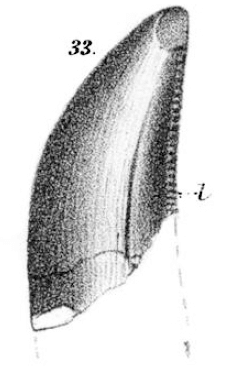
- Known only from teeth.
- Teeth are slightly heterodont.
- Possible phalanges and metatarsal fragments assigned.
Gorgosaurus Libratus, Daspletosaurus Torosus, Aublysodon Mirandus, Aublysodon Lateralis
North America
About Deinodon
Deinodon is a genus of tyrannosaurid dinosaur that is primarily known from a set of fossilized teeth discovered in the Judith River Formation of Montana. The genus name, derived from Greek words meaning 'terrible tooth,' accurately reflects the nature of its fragmentary fossil record. These teeth were first described by paleontologist Joseph Leidy in 1856, making them the earliest tyrannosaurid remains to be scientifically documented.
History and Classification
The classification of Deinodon has been a subject of debate among paleontologists. The teeth of Deinodon horridus are morphologically similar, and often indistinguishable, from those of other well-known tyrannosaurids such as Gorgosaurus libratus and Daspletosaurus torosus. This similarity has led many researchers to consider Deinodon a nomen dubium, meaning 'dubious name,' as it is impossible to definitively assign skeletal remains to the genus based solely on its known teeth. Some scientists have suggested that Deinodon should be considered a synonym of Gorgosaurus, with Gorgosaurus being the valid name for the animal represented by these teeth.
Physical Characteristics and Fossil Evidence
Deinodon is known only from a few teeth, which exhibit slight heterodonty, meaning they are not all identical in shape. In addition to teeth, some phalanges (finger or toe bones) and a metatarsal (foot bone) with fragments of others were tentatively assigned to D. horridus by paleontologists early in its study. However, the lack of more complete skeletal material means that its overall size, appearance, and locomotion remain largely speculative, though it is understood to belong to the large predatory theropod group, the tyrannosaurids.
Source: Wikipedia ↗
Frequently Asked Questions
What does Deinodon mean?
The name Deinodon comes from Greek, meaning 'terrible tooth'. This name reflects the nature of the fossilized teeth that were discovered and described.
When and where were Deinodon fossils found?
The fossilized teeth of Deinodon were discovered in the Judith River Formation of Montana, USA. They were first described in 1856.
What kind of dinosaur was Deinodon?
Deinodon is classified as a tyrannosaurid dinosaur. However, due to the limited fossil evidence, its exact characteristics and placement within the family are debated.
Is Deinodon a valid dinosaur genus?
Most paleontologists consider Deinodon to be a dubious genus, or nomen dubium. This is because it is known only from teeth, which are difficult to distinguish from those of other similar tyrannosaurids.
What is Deinodon related to?
Deinodon is related to other tyrannosaurids, including Gorgosaurus and Daspletosaurus. Some researchers believe that Deinodon teeth may actually belong to Gorgosaurus.
Related Dinosaur species
Ceratops
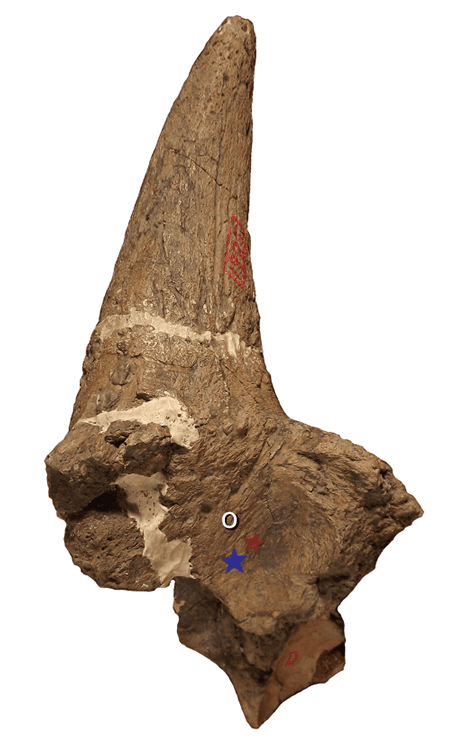
Ceratops is a dubious genus of herbivorous ceratopsian dinosaur from the Late Cretaceous period, known from fossils found in Montana's Judith River Formation. Despite its poorly understood nature, Ceratops holds historical significance as the type genus for both the Ceratopsia and Ceratopsidae groups. Its scientific name, meaning 'horn face,' reflects its most prominent feature.
Aublysodon
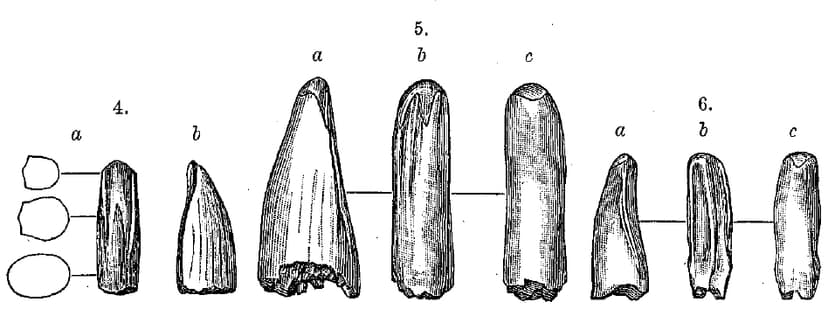
Aublysodon is a dubious genus of carnivorous dinosaurs known from isolated teeth discovered in the Judith River Formation of Montana, dating to the late Campanian stage of the Late Cretaceous period. The type species, Aublysodon mirandus, was named by Joseph Leidy in 1868, but its classification is uncertain as the primary fossil evidence is a single lost tooth. Similar teeth are often attributed to juvenile tyrannosaurids, potentially belonging to genera like Daspletosaurus.
Avisaurus
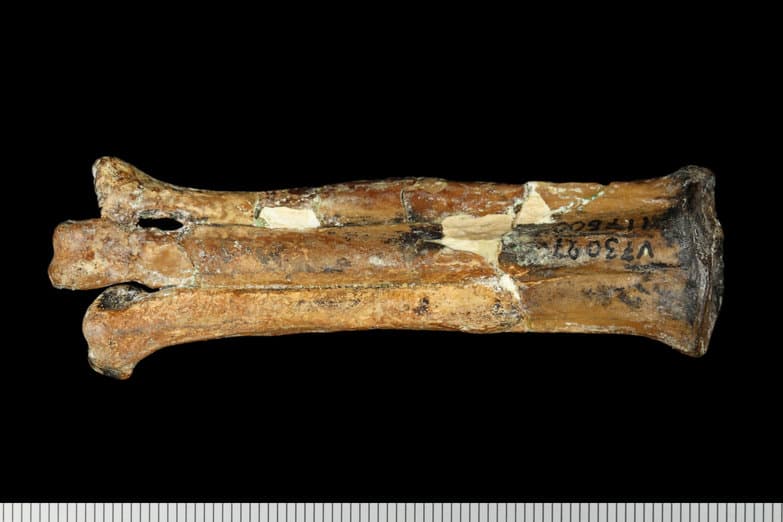
Avisaurus is a genus of enantiornithine avialans that lived in North America during the Late Cretaceous period. This "bird lizard" is known for its large size among enantiornithines and its predatory nature, with inwardly curved claws suggesting it preyed on small vertebrates.