
Diplodocus
Herbivore·Late Jurassic·North America·Quadrupedal
Diplodocus was a genus of extinct diplodocid sauropod dinosaurs that lived in North America during the Late Jurassic period. Known for its immense size, long neck, and whip-like tail, Diplodocus is one of the more commonly found dinosaur fossils in the Morrison Formation. Its name, meaning "double beam," refers to distinctive chevron bones in its tail.
Key Facts
- ›Lived in North America during the Late Jurassic period.
- ›Belonged to the Diplodocidae family of sauropods.
- ›Characterized by a long neck, long tail, and quadrupedal stance.
- ›Its tail made up approximately 55% of its total body length.
- ›Fossils are abundant in the Morrison Formation.
- ›Predators like Allosaurus and Ceratosaurus may have coexisted with it.
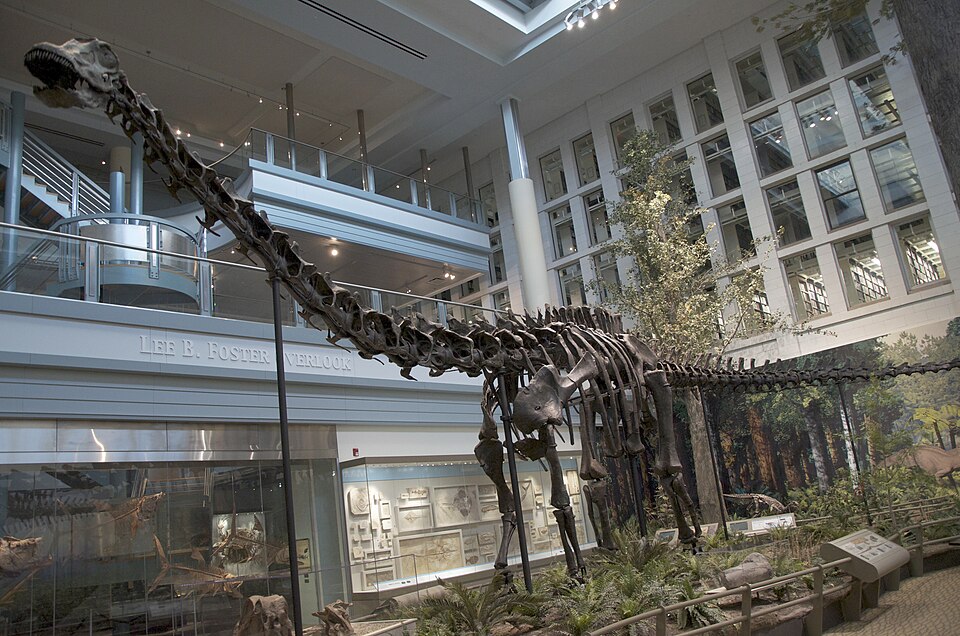
- Very large, long-necked, quadrupedal animal
- Long, whip-like tail comprising about 55% of body length
- Forelimbs shorter than hind limbs, resulting in horizontal posture
- Small, peg-like teeth located in the anterior sections of the jaws
- Neck composed of at least 15 vertebrae
- Possible presence of keratinous spines on tail and back
Galeamopus, Apatosaurus, Barosaurus, Brachiosaurus, Brontosaurus, Camarasaurus, Supersaurus, Kaatedocus Siberi
North America
About Diplodocus
Diplodocus was an extinct genus of diplodocid sauropod dinosaurs that roamed North America during the Late Jurassic period. Known for its immense size, exceptionally long neck, and a whip-like tail that constituted roughly 55% of its total body length, Diplodocus is among the more frequently discovered dinosaur fossils, particularly within the Morrison Formation. The genus was formally named by Othniel Charles Marsh in 1878, with its name meaning "double beam" in reference to the distinctive chevron bones found on the underside of its tail, which were initially believed to be unique to this dinosaur.
Physical Characteristics and Lifestyle
Diplodocus was a quadrupedal animal, with its forelimbs being slightly shorter than its hind limbs, contributing to a largely horizontal posture. Its skeletal structure, characterized by a long neck and tail supported by sturdy legs, has been likened to cantilever bridges. While no skull has been definitively attributed to Diplodocus, skulls of closely related diplodocids reveal very small skulls relative to body size, equipped with small, peg-like teeth pointed forward, suggesting a diet of stripping vegetation. The neck was composed of at least 15 vertebrae. Some fossil evidence suggests the potential presence of narrow, pointed keratinous spines, similar to those of modern iguanas, along the tail and possibly the back and neck.
Discovery and Significance
The first fossils of Diplodocus were unearthed in 1877, leading to its naming during the Bone Wars, a period of intense paleontological rivalry in North America. Over time, numerous specimens have been discovered, contributing significantly to our understanding of sauropod anatomy and diversity during the Late Jurassic. These fossils are commonly found in rocks dating from approximately 151.88 to 149.1 million years ago, coexisting with other large sauropods and predators such as Allosaurus and Ceratosaurus. The extensive fossil record has allowed for detailed studies on its size, morphology, and potential behaviors, including hypotheses about the function of its long tail, which may have been used for defense, communication, or as a counterbalance.
Source: Wikipedia ↗
Frequently Asked Questions
What does the name Diplodocus mean?
The name Diplodocus is derived from Greek words meaning 'double beam.' This refers to the distinctive double-beamed chevron bones found on the underside of its tail, which were initially thought to be unique to this dinosaur.
When did Diplodocus live?
Diplodocus lived during the Late Jurassic period, with most specimens found in rocks dating between approximately 151.88 and 149.1 million years ago. It may have persisted into the Tithonian age.
What was Diplodocus's physical appearance?
Diplodocus was a very large, long-necked, quadrupedal animal with a long, whip-like tail. Its forelimbs were shorter than its hind limbs, giving it a largely horizontal posture. It had small, peg-like teeth.
How large was Diplodocus?
Estimates vary, but species like D. carnegii reached lengths of 24–26 meters (79–85 ft) and weighed 12–14.8 metric tons. Some estimates for D. hallorum suggest lengths of up to 39–45 meters (128–148 ft) and weights of 23-38 metric tons.
Where were Diplodocus fossils found?
Fossils of Diplodocus have been discovered primarily in the Morrison Formation of mid-western North America, in states like Colorado, Wyoming, Montana, and Utah.
What did Diplodocus eat?
Diplodocus was a herbivore. Its small, peg-like teeth were located at the front of its jaws and were likely used for stripping vegetation.
Related Dinosaur species

Apatosaurus
Apatosaurus was a large, herbivorous sauropod dinosaur that roamed North America during the Late Jurassic period. Known for its "deceptive lizard" name, it possessed a long neck, a whip-like tail, and stocky limbs, distinguishing it from its close relative, Diplodocus. Fossils have been unearthed primarily in the Morrison Formation, providing significant insights into its anatomy and lifestyle.
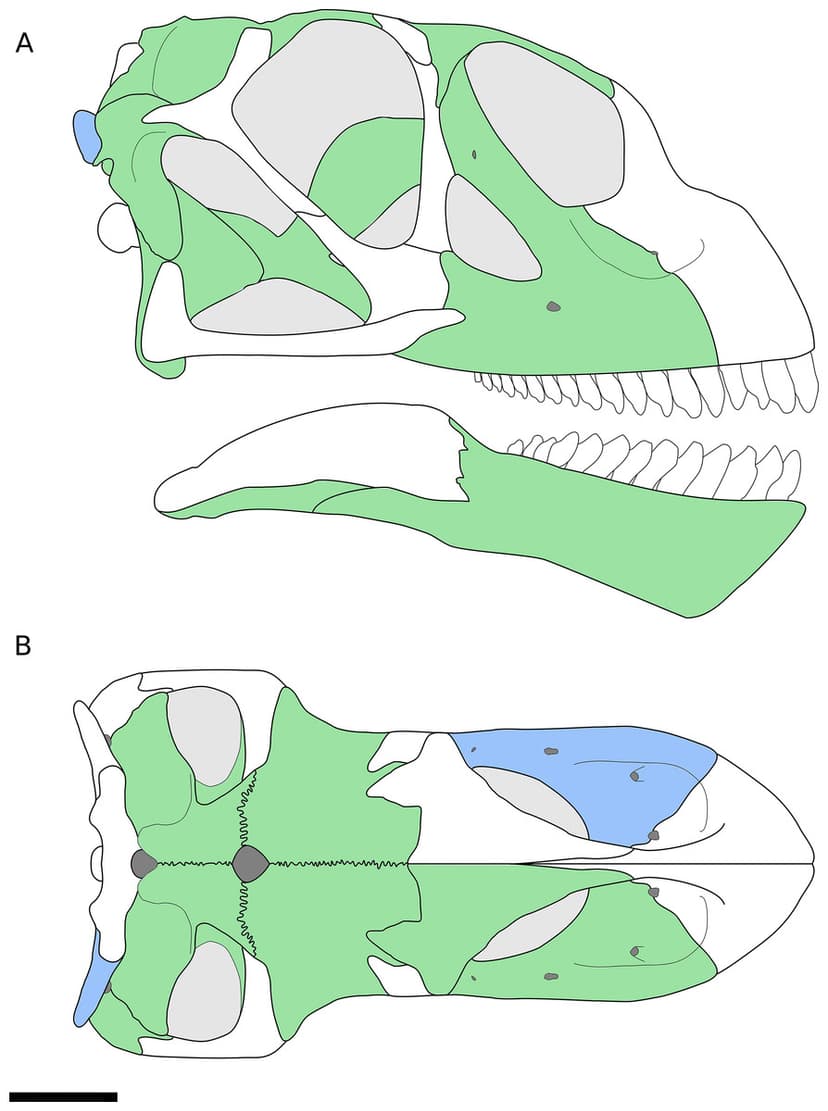
Bellusaurus
Bellusaurus was a sauropod dinosaur that lived during the Late Jurassic period. Known primarily from juvenile specimens, it is estimated to have reached about 4.8 meters (16 feet) in length. Its fossils were discovered in the Shishugou Formation in the Junggar Basin of China.

Dinheirosaurus
Dinheirosaurus is a genus of diplodocid sauropod dinosaur discovered in Portugal. The only known species, Dinheirosaurus lourinhanensis, lived during the Late Jurassic period. While its exact classification remains debated, it is considered a close relative of Supersaurus and possessed an elongated neck and tail, with estimated lengths of 20-25 meters.