
Drusilasaura
Herbivore·Cretaceous·Santa Cruz Province, Patagonia, Argentina·Quadrupedal
Drusilasaura is an extinct genus of titanosaur sauropod dinosaur that lived in what is now Argentina during the late Cretaceous period. Known from a partial skeleton, it is notable for its large size and its potential classification as the oldest known member of the lognkosaurian group.
Key Facts
- ›Lived during the late Cretaceous period (Cenomanian-Turonian stages).
- ›Fossils were discovered in Santa Cruz Province, southern Patagonia, Argentina.
- ›The holotype consists of a partial skeleton including vertebrae and a scapula.
- ›Named in honor of Drusila Ortiz de Zárate, a member of the family owning the ranch where fossils were found.
- ›Considered a titanosaur, possibly belonging to the Lognkosauria group.
- ›The scapula is 143 cm long, significantly larger than that of Mendozasaurus.
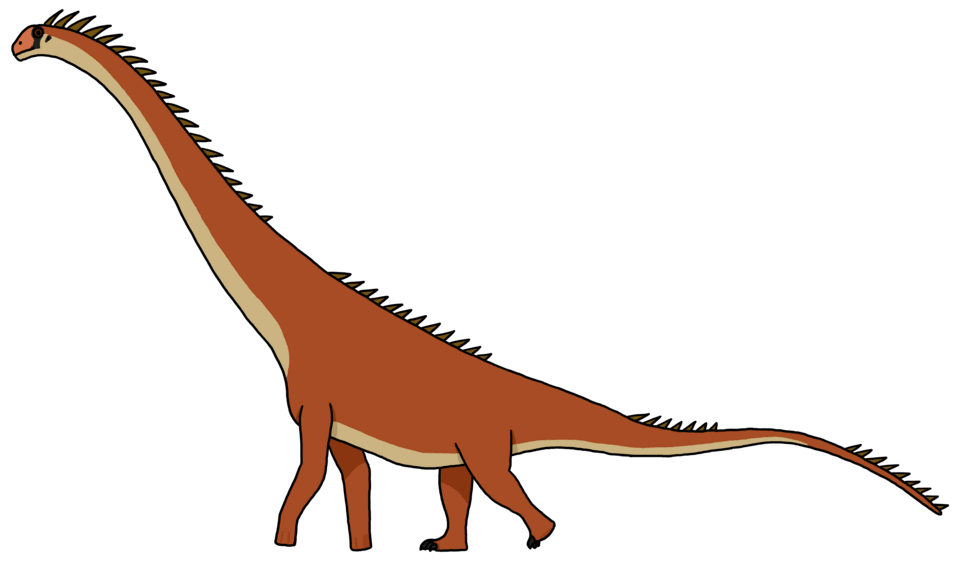
Large Sauropod, Scapula Length of 143 cm
Argentina
About Drusilasaura
Drusilasaura is an extinct genus of titanosaur sauropod dinosaur that inhabited what is now Argentina during the late Cretaceous period. Its fossils were discovered in the Santa Cruz Province of southern Patagonia, specifically within the Upper Member of the Bajo Barreal Formation.
Discovery and Naming
The holotype of Drusilasaura, designated MPM-PV 2097/1 to 2097/19, comprises a partial skeleton. This includes four dorsal vertebrae, a sacral vertebra, six caudal vertebrae, a left scapula measuring 143 centimeters, dorsal rib fragments, and other bone pieces. The discovery was made by palaeontologist Marcelo Tejedor while searching for fossil mammals on the María Aike Ranch, owned by the Ortiz de Zárate family. A team from the Universidad Nacional de la Patagonia San Juan Bosco later collected the remains. The genus was formally named by César Navarrete, Gabriel Casal, and Rubén Martínez in 2011. The type species is Drusilasaura deseadensis. The genus name pays tribute to Drusila Ortiz de Zárate, a young female member of the family who owns the ranch, incorporating the feminine suffix "-saura." The specific name, "deseadensis," refers to the nearby Río Deseado.
Classification and Significance
Drusilasaura is classified as a large sauropod and was assigned to the Titanosauridae family by its describers. It is also considered a potential member of the Lognkosauria, a group of derived titanosaurs. If this classification holds true, Drusilasaura would represent the oldest known lognkosaurian dinosaur discovered to date. Its scapula is notably longer, by 30%, than that of the titanosaur Mendozasaurus.
Source: Wikipedia ↗
Frequently Asked Questions
When did Drusilasaura live?
Drusilasaura lived during the late Cretaceous period. Specifically, its fossils date to the Cenomanian-Turonian stages of this period.
Where were the fossils of Drusilasaura found?
The fossils of Drusilasaura were discovered in Santa Cruz Province, in the southern region of Patagonia, Argentina. They were found on the María Aike Ranch.
What does the name Drusilasaura mean?
The genus name Drusilasaura honors Drusila Ortiz de Zárate, a young woman from the family who owns the ranch where the fossil was discovered. The suffix '-saura' is a common feminine ending for dinosaur names.
What type of dinosaur was Drusilasaura?
Drusilasaura was a large sauropod dinosaur belonging to the titanosaur family. It is also considered a possible member of the Lognkosauria group.
What evidence do we have for Drusilasaura?
The evidence for Drusilasaura comes from a partial skeleton. This includes several dorsal and caudal vertebrae, a sacral vertebra, a left scapula, and fragments of ribs and other bones.
Related Dinosaur species
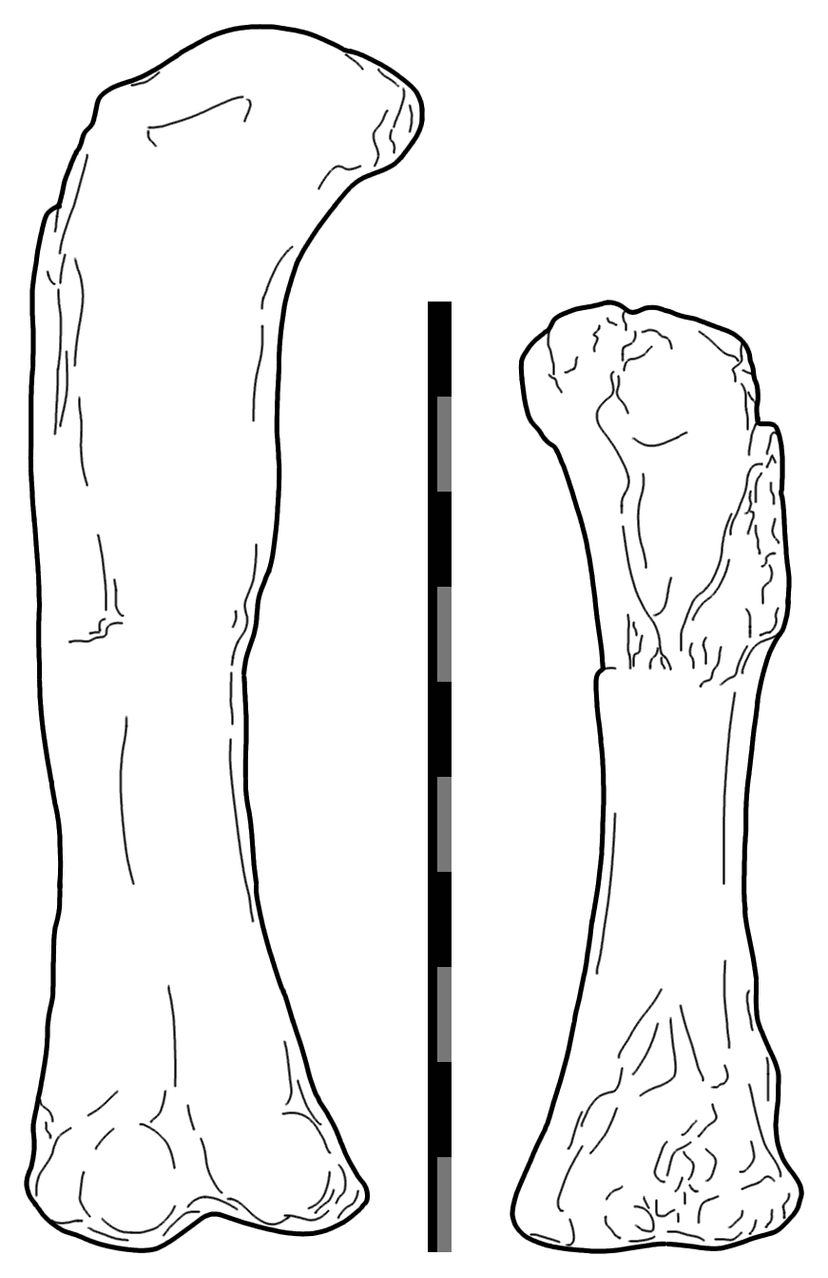
Aegyptosaurus
Aegyptosaurus was a genus of sauropod dinosaur that lived in Africa approximately 95 million years ago during the Late Cretaceous Period. Its fossils, though largely destroyed during World War II, were first discovered in Egypt and have also been found in Niger. The dinosaur is estimated to have been around 15 meters long and weighed about 7 tonnes.
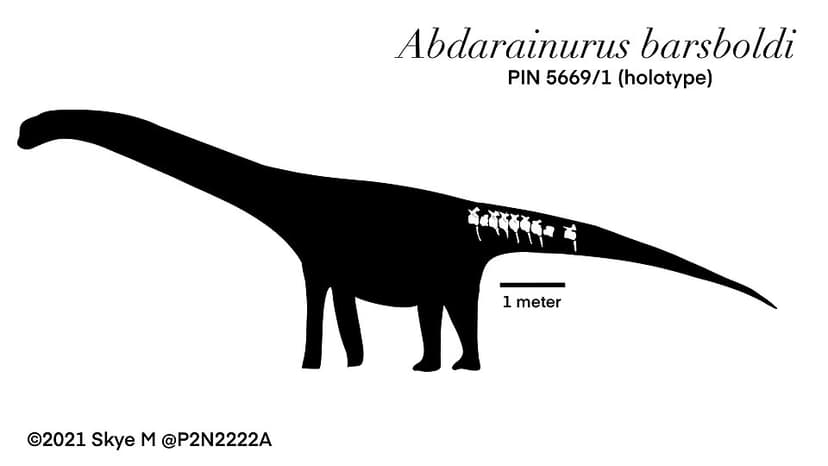
Abdarainurus
Abdarainurus is a genus of titanosaur dinosaur known from the Alagteeg Formation in Mongolia. The only known species, A. barsboldi, is currently considered an indeterminate titanosaur and might represent a previously undocumented lineage of Asian macronarians. Its existence is primarily evidenced by a limited number of tail vertebrae.

Amazonsaurus
Amazonsaurus is a genus of diplodocoid sauropod dinosaur that lived in South America during the Early Cretaceous Period. This large-bodied, quadrupedal herbivore was characterized by a long neck and a whiplash tail. While related diplodocoids were among the longest animals ever to exist, Amazonsaurus was likely no more than 12 meters in length.