
Felis
Felinae·Felis·Carnivore (implied by being cats)
Felis is a genus of small to medium-sized wild cat species found across Africa, Europe, and Asia. This genus notably includes the domestic cat, and its species exhibit a range of sizes, from the diminutive black-footed cat to the larger jungle cat. Genetic studies suggest a significant divergence from a common Eurasian ancestor millions of years ago.
Key Facts
- ›The genus Felis encompasses small to medium-sized cat species.
- ›It is native to most of Africa and parts of Europe and Asia.
- ›The domestic cat is part of the Felis genus.
- ›Species within Felis vary greatly in size, from the black-footed cat to the jungle cat.
- ›Genetic divergence estimates place the split of Felis species between 3.04 and 0.99 million years ago.
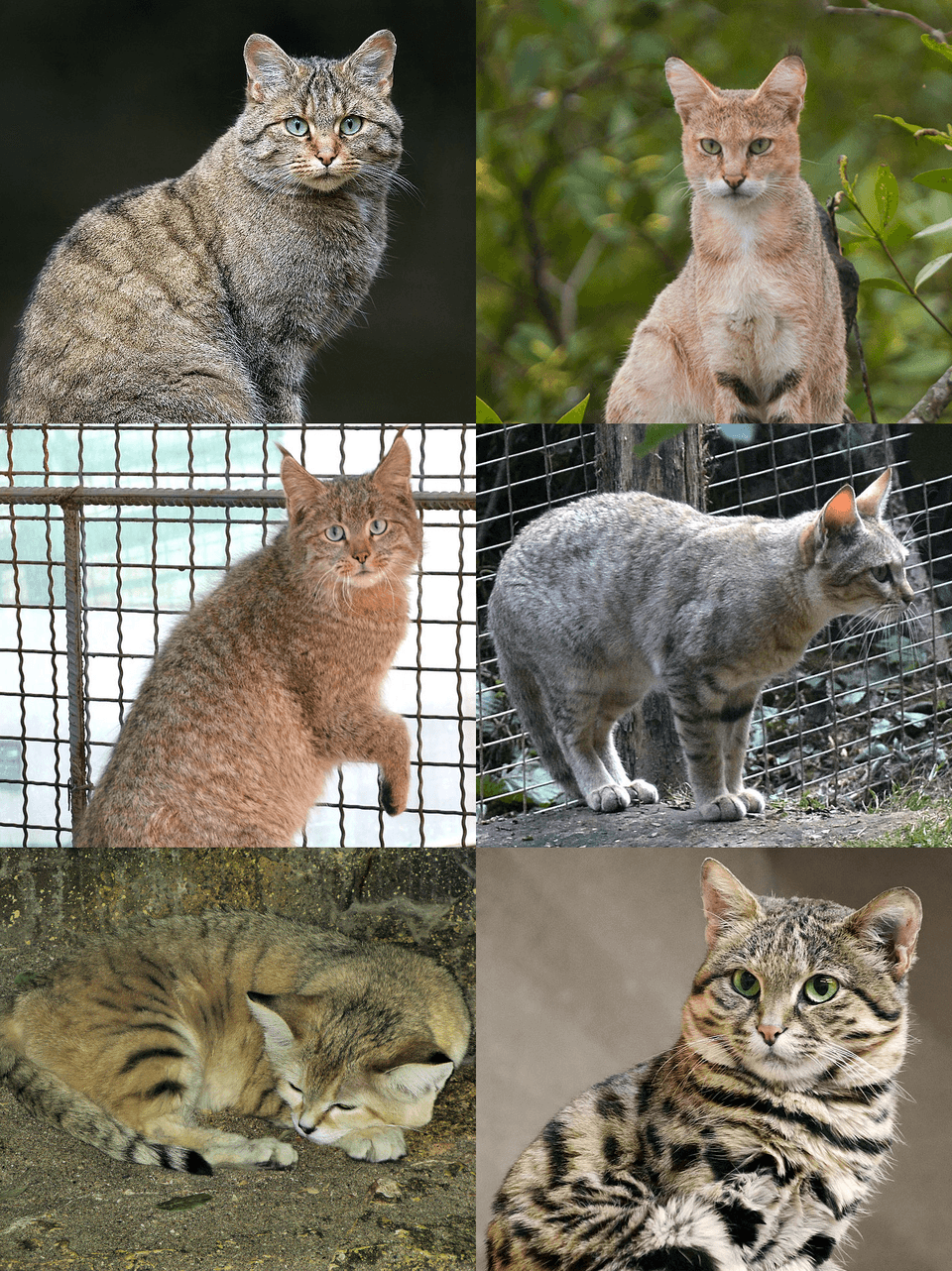
Various
Pupils Contract To A Vertical Slit
Domestic Cat
Vertical Pupils
About Felis
The genus Felis comprises a group of small to medium-sized cat species native to a wide geographic range spanning most of Africa, and extending across Europe and Asia as far as Indochina. This genus holds particular significance as it includes the domestic cat, which has been widely integrated into human societies globally. The species within Felis exhibit notable variations in size; the black-footed cat is among the smallest, measuring approximately 38 to 42 cm in head and body length, while the jungle cat is considerably larger, with a head and body length ranging from 62 to 76 cm.
Taxonomy and Evolution
Genetic research has shed light on the evolutionary history of the Felis genus. Studies indicate that the genera Felis, Otocolobus, and Prionailurus diverged from a common Eurasian progenitor of the Felidae family around 6.2 million years ago. Subsequently, the distinct species within the Felis genus are estimated to have split off between 3.04 and 0.99 million years ago. Historically, the genus was defined broadly, with Carl Linnaeus in 1758 considering all known cat species to belong to Felis. Later taxonomists, such as Reginald Innes Pocock in 1917, revised the genus to include a more specific set of species.
Physical Characteristics
Species in the Felis genus share several key physical traits. They possess high and wide skulls, coupled with short jaws. Their ears are typically narrow and may feature short tufts, but they are distinguished by the absence of white spots on the back of the ears. A notable characteristic is their pupils, which contract to a vertical slit. The diversity in size across the genus is a significant feature, with species adapted to various ecological niches within their extensive native ranges.
Source: Wikipedia ↗
Frequently Asked Questions
What is the Felis genus?
Felis is a genus within the cat family (Felidae) that includes several species of small to medium-sized wild cats, as well as the domesticated cat. These species are found across Africa, Europe, and Asia.
Where are Felis species found?
Species belonging to the Felis genus are distributed across most of Africa and extend into Europe and Asia, reaching as far east as Indochina. They are not found south of 60° latitude.
How large are Felis species?
The size of Felis species varies considerably. The smallest is the black-footed cat, with a head and body length around 38 to 42 cm, while the largest is the jungle cat, reaching 62 to 76 cm in head and body length.
When did Felis species diverge?
Genetic studies indicate that the Felis genus species split off from a common ancestor between 3.04 and 0.99 million years ago. This divergence occurred after the Felinae subfamily genera diverged from their Eurasian progenitor about 6.2 million years ago.
What are some characteristics of Felis species?
Felis species typically possess high and wide skulls, short jaws, and narrow ears that may have short tufts but lack white spots on the back. Their pupils contract into a vertical slit.
Related Felid species

Acinonyx
Acinonyx is a genus of the Felidae family, most famously represented by the cheetah (Acinonyx jubatus). This genus is characterized by extreme adaptations for speed and open-terrain hunting. While historically widespread across the Old World, climate change and human expansion led to the extinction of most Acinonyx species, leaving only the cheetah in scattered populations.

Caracal
The caracal is a medium-sized wild cat native to Africa, the Middle East, Central Asia, and parts of India and Pakistan. It is distinguished by its robust build, long legs, short face, and notably long, tufted ears. This secretive, primarily nocturnal predator is known for its exceptional leaping ability, capable of catching birds in mid-air.
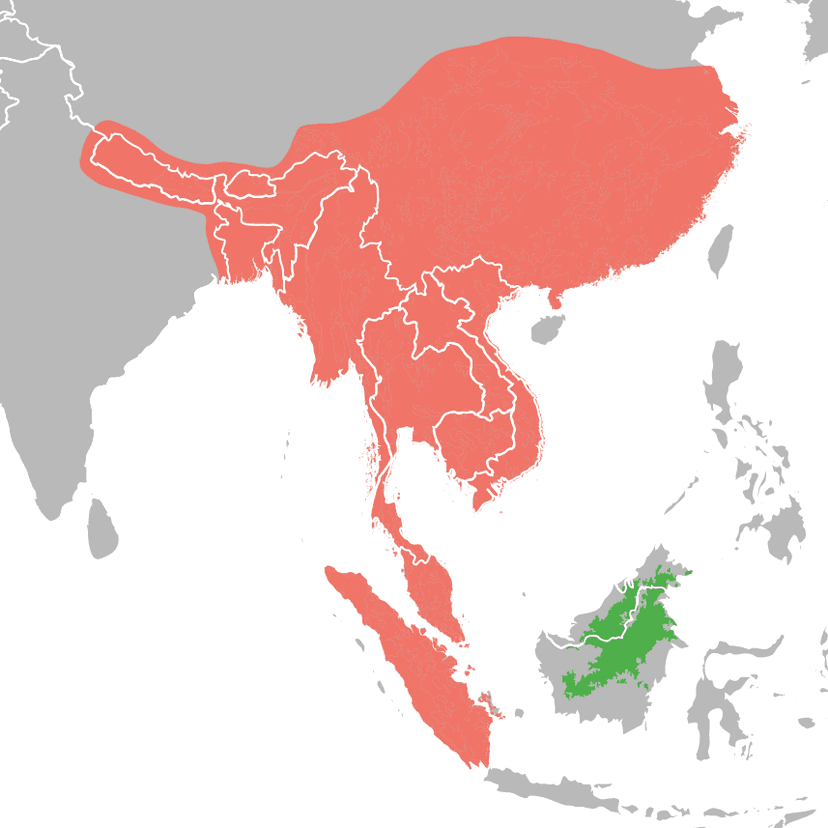
Catopuma
Catopuma is a genus of small wild cats native to Southeast Asia, encompassing the Asian golden cat and the bay cat. These felines share similar reddish-brown pelage with darker markings and can exhibit color variations from brown to gray and black. They are found in forested regions, with the Asian golden cat's range extending from northeast India to Sumatra, and the bay cat being endemic to Borneo.