
Lynx
The lynx is a genus of medium-sized wild cats, comprising four extant species: the Canada lynx, Iberian lynx, Eurasian lynx, and bobcat. Originating from an Indo-European root word meaning 'light' or 'brightness,' their name is thought to refer to their reflective eyes. Lynx are distinctive for their short tails, tufted ears, large padded paws, and facial ruffs.
Key Facts
- ›Lynx are medium-sized wild cats belonging to the genus Lynx.
- ›They are characterized by short tails, ear tufts, large padded paws, and facial ruffs.
- ›Body color varies, often featuring dark spots, with white fur on the chest, belly, and inner legs.
- ›Adaptations to climate include thicker, lighter fur and larger paws in colder regions.
- ›Lynx are typically solitary hunters but may occasionally form small groups.
- ›Their diet is opportunistic, ranging from large deer to small mammals and birds.
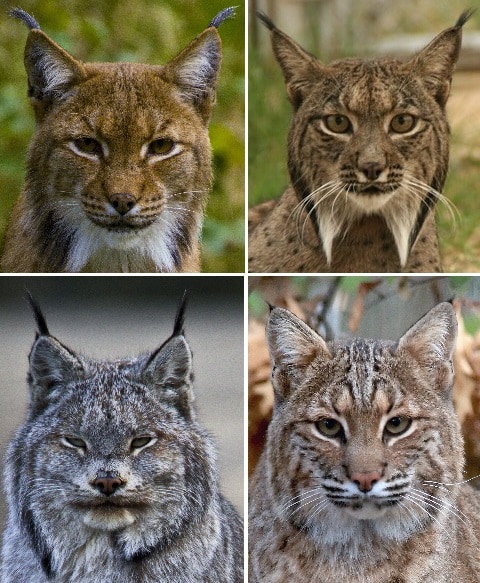
Solitary Hunters, Opportunistic Feeding, Good Climbers, Swift Swimmers
Bobcat, Canada Lynx, Eurasian Lynx, Iberian Lynx
Habitat Loss, Extirpation, Human-Wildlife Conflict
Coyotes
Ear Tufts, Short Tail, Large Padded Paws, Facial Ruff
About Lynx
What is the Lynx?
The lynx refers to any of the four extant species within the medium-sized wild cat genus Lynx. These species include the Canada lynx, Iberian lynx, Eurasian lynx, and the bobcat. The name 'lynx' is derived from ancient Greek, believed to originate from a root meaning 'light' or 'brightness,' possibly referencing the reflective quality of their eyes.
Physical Characteristics
Lynx are distinguished by several key physical traits. They possess a short tail, characteristic tufts of black hair at the tips of their ears, and large, padded paws that are well-suited for walking on snow. A ruff of fur under their neck, often appearing like a bow tie, is another notable feature, though it is not always visible. Their body coloration varies, ranging from medium brown to goldish or beige-white, and may include dark brown spots, particularly on the limbs. All lynx species have white fur on their chests, bellies, and the insides of their legs. Adaptations to climate are evident in their fur and paw size; individuals in colder northern climates typically have thicker, lighter fur and larger, more padded paws for snow, while those in warmer regions may be shorter-haired with smaller paws.
Distribution and Habitat
Lynx inhabit a variety of environments. They are typically found in high-altitude forests with dense cover of shrubs, reeds, and tall grass. While they hunt on the ground, they are also capable climbers and swift swimmers. The Eurasian lynx spans across European, Central Asian, and Siberian forests, with reintroduction efforts underway in parts of Europe. The Canada lynx is found in forest and tundra regions across Canada and Alaska, extending into some northern U.S. states. The bobcat is a North American wild cat common throughout southern Canada, the continental United States, and northern Mexico, demonstrating adaptability to diverse habitats including woodlands, swamps, desert lands, and mountainous areas. The endangered Iberian lynx is native to the Iberian Peninsula in Southern Europe.
Behavior and Diet
Lynx are generally solitary animals, though small groups may occasionally hunt together. Mating typically occurs in late winter, with females giving birth to one to four kittens annually after a gestation period of about 70 days. The young stay with their mother for approximately nine months before becoming independent. Their diet is opportunistic and varied, encompassing a wide range of prey from large animals like deer and chamois to smaller prey such as snowshoe hares, fish, foxes, squirrels, mice, and various birds.
Source: Wikipedia ↗
Frequently Asked Questions
What are the four species of lynx?
The four extant species within the genus Lynx are the Canada lynx, the Iberian lynx, the Eurasian lynx, and the bobcat. All living lynx species are believed to descend from Lynx issiodorensis.
What physical features are characteristic of lynx?
Lynx possess a short tail, distinctive tufts of black hair on their ear tips, large padded paws ideal for snow, and long whiskers on their face. They also have a ruff under their neck.
How do lynx adapt to different climates?
Lynx coloring, fur length, and paw size vary by climate. In colder northern regions, they develop thicker, lighter fur and larger, more padded paws to navigate snow, while those in warmer areas may have shorter fur and smaller paws.
What is the typical diet of a lynx?
Lynx are opportunistic predators with a varied diet. They can hunt large prey such as deer and chamois, as well as smaller animals like snowshoe hares, fish, foxes, squirrels, and various birds.
Are lynx social animals?
Lynx are usually solitary creatures. However, small groups of lynx have been observed traveling and hunting together on occasion.
What is the conservation status of the Iberian lynx?
The Iberian lynx is a vulnerable species native to the Iberian Peninsula. Conservation efforts have improved its status from critical to endangered and now to vulnerable, preventing what would have been the first feline extinction since the Smilodon.
Where is the Eurasian lynx found?
The Eurasian lynx is native to European, Central Asian, and Siberian forests. While its conservation status is 'least concern,' populations have been reduced or extirpated in much of Europe and are currently being reintroduced.
Related Felid species

Neofelis
Neofelis is a genus of cats native to Southeast Asia. It comprises two distinct species: the clouded leopard of mainland Asia and the Sunda clouded leopard found on Sumatra and Borneo. These cats are characterized by their exceptionally long canine teeth and a remarkable jaw gape, placing them in the subfamily Pantherinae and making them more closely related to iconic large cats like lions and tigers than other felids.

Caracal
The caracal is a medium-sized wild cat native to Africa, the Middle East, Central Asia, and parts of India and Pakistan. It is distinguished by its robust build, long legs, short face, and notably long, tufted ears. This secretive, primarily nocturnal predator is known for its exceptional leaping ability, capable of catching birds in mid-air.
Catopuma
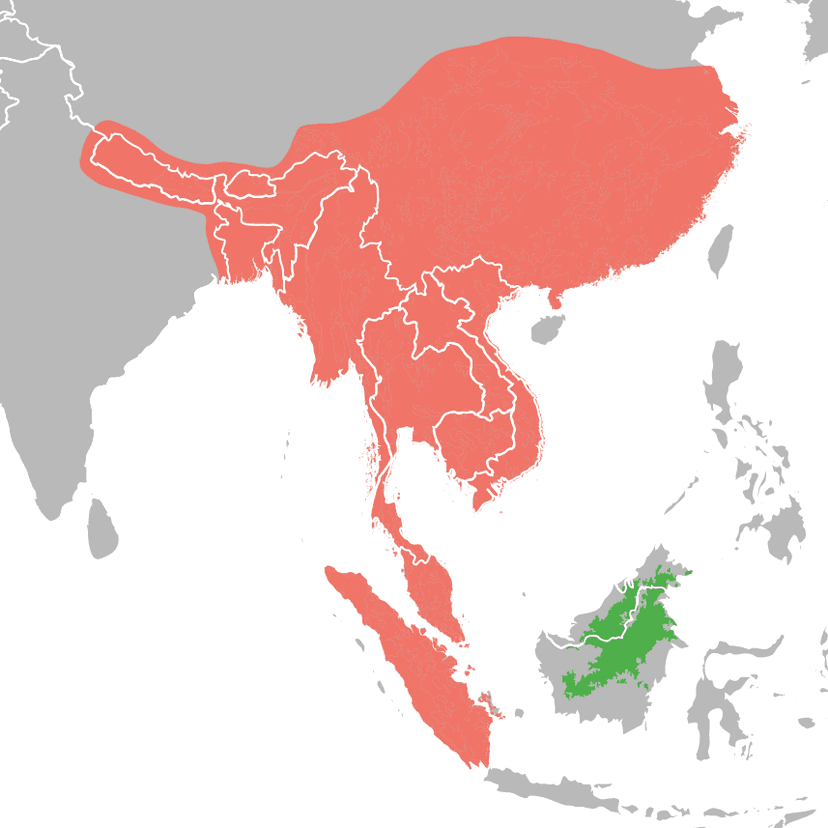
Catopuma is a genus of small wild cats native to Southeast Asia, encompassing the Asian golden cat and the bay cat. These felines share similar reddish-brown pelage with darker markings and can exhibit color variations from brown to gray and black. They are found in forested regions, with the Asian golden cat's range extending from northeast India to Sumatra, and the bay cat being endemic to Borneo.