
Panthera
Pantherinae·Panthera·carnivore
Panthera is a genus of large cats within the Felidae family, distinguished by their ability to roar, a trait shared by most species due to specialized vocal folds and an incompletely ossified hyoid bone. This genus includes the world's largest living cat species, such as the lion, tiger, jaguar, and leopard, along with the snow leopard. Their evolutionary history is complex, with genetic studies helping to clarify relationships and taxonomic classifications.
Key Facts
- ›Panthera is the genus for the largest living members of the cat family.
- ›The genus includes five living species: jaguar, leopard, lion, snow leopard, and tiger.
- ›Most Panthera species can roar due to specialized vocal folds and larynx structure.
- ›The snow leopard is the only species in the genus that cannot roar.
- ›Genetic studies have led to the reclassification of the snow leopard into the Panthera genus.
- ›Fossil evidence suggests the genus originated in Africa or Asia.

Ability To Roar, Produce 'Prusten' During Friendly Contact
Panther
Roar, Prusten
Ability To Roar, Specialized Larynx and Hyoid Bone Structure, Largest Living Members of the Cat Family
About Panthera
The genus Panthera represents the largest living members of the cat family, Felidae, and is part of the subfamily Pantherinae. This genus is distinguished by a unique anatomical adaptation in its vocal tract, which allows most of its species to produce a roar. This adaptation involves an incompletely ossified hyoid bone and a specialized larynx with large vocal folds.
Characteristics and Vocalizations
Species within Panthera share specific cranial characteristics, including a flattish skull profile and a distinct arrangement of the auditory bullae. While most members can roar, the snow leopard is an exception, possessing shorter vocal folds that prevent this vocalization. Panthera species also engage in 'prusten,' a soft snorting sound used in friendly social interactions.
Evolution and Classification
Genetic studies place the divergence of pantherine cats from other felids between six and ten million years ago. The evolutionary path leading to the current species is complex, with ongoing research refining taxonomic placements. For instance, the snow leopard, historically classified separately, is now recognized as belonging to the Panthera genus based on genetic evidence. Fossil discoveries continue to shed light on the genus's ancient history, with early remains found in Africa and Asia.
Species Diversity
Currently, five living species are recognized within the Panthera genus: the jaguar (Panthera onca), leopard (Panthera pardus), lion (Panthera leo), snow leopard (Panthera uncia), and tiger (Panthera tigris). The genus also includes several extinct species, such as the cave lion and the American lion. Melanistic individuals, commonly referred to as 'black panthers,' are not a separate species but occur within populations of leopards and jaguars due to genetic variations.
Source: Wikipedia ↗
Frequently Asked Questions
What makes Panthera species unique among cats?
Most species in the Panthera genus possess an incompletely ossified hyoid bone and a specially adapted larynx with large vocal folds. These features enable them to produce a roar, a loud call with a distinctive pattern.
Which species are included in the Panthera genus?
The genus Panthera currently includes five living species: the jaguar, leopard, lion, snow leopard, and tiger. Several extinct species have also been identified within this genus.
Can all Panthera species roar?
No, while most Panthera species can roar, the snow leopard is an exception. It has shorter vocal folds that result in a different vocalization, leading to its historical classification in a separate genus.
What is the evolutionary origin of the Panthera genus?
The exact geographic origin of the Panthera genus is uncertain, with early definitive species found in Tanzania and Central Asia. Genetic studies suggest pantherine cats diverged from other cat subfamilies between six and ten million years ago.
What are 'black panthers'?
'Black panthers' are not a distinct species but rather melanistic individuals, most commonly observed in leopards and jaguars. This coloration is due to a genetic mutation causing an excess of melanin.
How are Panthera species classified?
Classification within Panthera has evolved with genetic research. Modern taxonomy, supported by genetic analysis, includes the snow leopard in this genus and has revised subspecies classifications for lions and leopards.
Related Felid species

Neofelis
Neofelis is a genus of cats native to Southeast Asia. It comprises two distinct species: the clouded leopard of mainland Asia and the Sunda clouded leopard found on Sumatra and Borneo. These cats are characterized by their exceptionally long canine teeth and a remarkable jaw gape, placing them in the subfamily Pantherinae and making them more closely related to iconic large cats like lions and tigers than other felids.
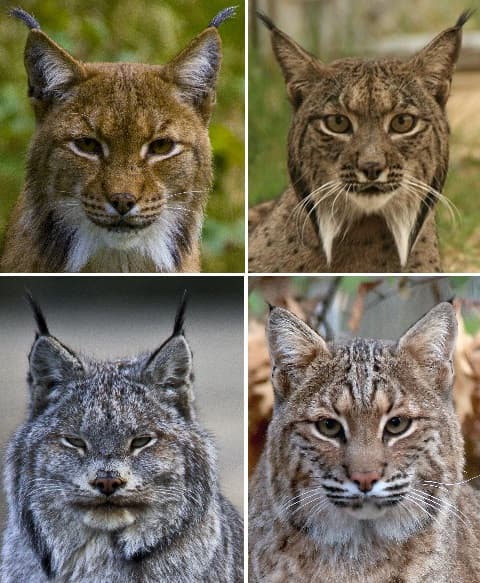
Lynx
The lynx is a genus of medium-sized wild cats, comprising four extant species: the Canada lynx, Iberian lynx, Eurasian lynx, and bobcat. Originating from an Indo-European root word meaning 'light' or 'brightness,' their name is thought to refer to their reflective eyes. Lynx are distinctive for their short tails, tufted ears, large padded paws, and facial ruffs.
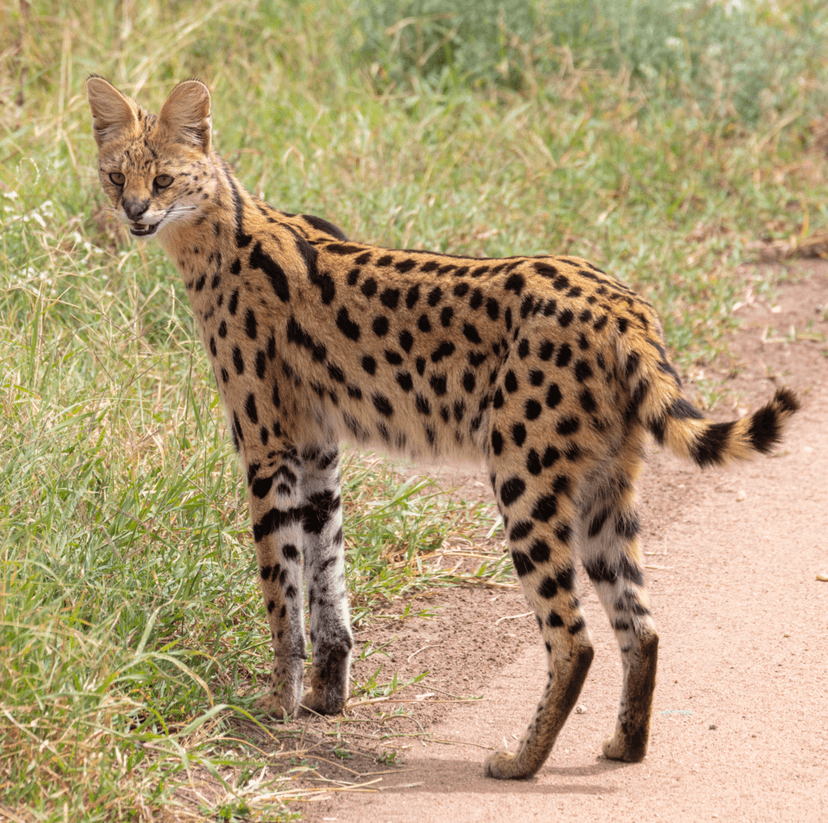
Leptailurus
The serval (Leptailurus serval) is a small wild cat native to sub-Saharan Africa, inhabiting grasslands, wetlands, and savannas. It is distinguished by its exceptionally long legs relative to its body size, a slender build, and a golden-yellow coat with black spots and stripes. This solitary carnivore is an adept hunter, using its acute hearing to locate prey and executing impressive leaps to capture it.