
Prionailurus
Prionailurus is a genus of small, spotted wild cats native to Asia. These felines primarily inhabit forests and are known to prey on small mammals, reptiles, birds, and sometimes aquatic wildlife. The genus was first proposed in 1858 and has since been widely accepted, with several species recognized.
Key Facts
- ›Native to forests across Asia.
- ›Diet includes small mammals, reptiles, birds, and aquatic wildlife.
- ›Genus Prionailurus was proposed in 1858.
- ›Includes species like the leopard cat, rusty-spotted cat, and fishing cat.
- ›Fossil species Prionailurus kurteni found in Pleistocene deposits.

Prey on small mammals, reptiles, and birds., Occasionally hunt aquatic wildlife.
Asian Small Wild Cats
Spotted Coat Patterns
About Prionailurus
Prionailurus is a genus of small, spotted wild cats native to Asia. These felines are primarily forest dwellers, adapting to their environment to hunt a diverse range of prey. Their diet typically includes small mammals, reptiles, and birds, with an occasional opportunistic hunt of aquatic wildlife.
Taxonomy and Phylogeny
The genus Prionailurus was first proposed in 1858 by Russian explorer and naturalist Nikolai Severtzov, initially designated for the leopard cat (Felis pardachrous). Over time, taxonomic classifications evolved, with zoologist Reginald Innes Pocock recognizing and describing the genus in more detail in the early 20th century. Pocock's classification, which included the leopard cat, rusty-spotted cat, and fishing cat within Prionailurus, has been widely accepted.
Phylogenetic analyses of both nuclear and mitochondrial DNA have shed light on the evolutionary history of the Felidae family and the Prionailurus lineage. These studies suggest that the evolutionary radiation of felids began in Asia during the Miocene epoch. Within the Prionailurus genus, molecular analysis indicates that the rusty-spotted cat was the first to genetically diverge, followed by the flat-headed cat and then the fishing cat. The genus includes several species, and research continues to refine understanding of their genetic relationships, with potential for subspecies to be recognized as distinct species based on significant genetic differences, such as observed in Leopard Cat populations.
A fossil species, Prionailurus kurteni, has been identified from Pleistocene deposits in China, indicating the genus's ancient presence on the continent. Ongoing research, including detailed genetic studies of leopard cat populations, may lead to reclassifications or the recognition of new species or subspecies within the genus.
Source: Wikipedia ↗
Frequently Asked Questions
What is the genus Prionailurus?
Prionailurus is a genus of small, spotted wild cats found in Asia. They are typically forest dwellers and have a varied diet.
When was the genus Prionailurus first proposed?
The genus Prionailurus was first proposed in 1858 by Russian explorer and naturalist Nikolai Severtzov. It was initially established as a genus for the leopard cat.
Which species are recognized within the genus Prionailurus?
The genus Prionailurus is widely accepted and currently includes five recognized species. These include the leopard cat, rusty-spotted cat, and fishing cat, among others.
What are the preferred habitats of Prionailurus cats?
Forests are the preferred habitat for cats belonging to the genus Prionailurus. They are adapted to live within these environments.
What do Prionailurus cats eat?
Their diet consists of small mammals, reptiles, and birds. They are also known to occasionally consume aquatic wildlife.
Related Felid species

Caracal
The caracal is a medium-sized wild cat native to Africa, the Middle East, Central Asia, and parts of India and Pakistan. It is distinguished by its robust build, long legs, short face, and notably long, tufted ears. This secretive, primarily nocturnal predator is known for its exceptional leaping ability, capable of catching birds in mid-air.
Catopuma
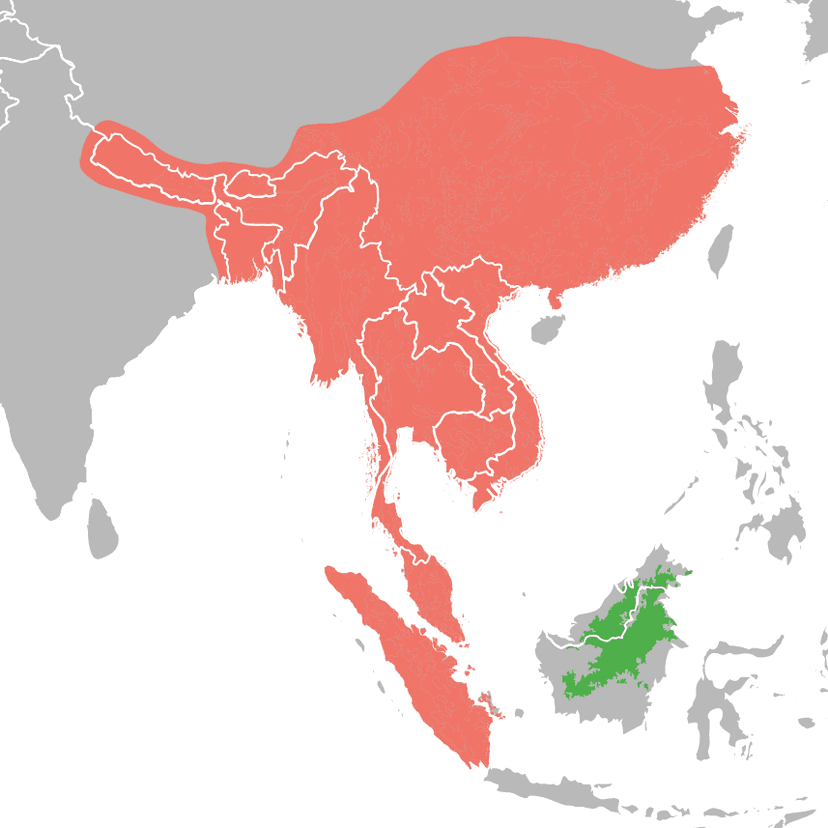
Catopuma is a genus of small wild cats native to Southeast Asia, encompassing the Asian golden cat and the bay cat. These felines share similar reddish-brown pelage with darker markings and can exhibit color variations from brown to gray and black. They are found in forested regions, with the Asian golden cat's range extending from northeast India to Sumatra, and the bay cat being endemic to Borneo.
Lynx
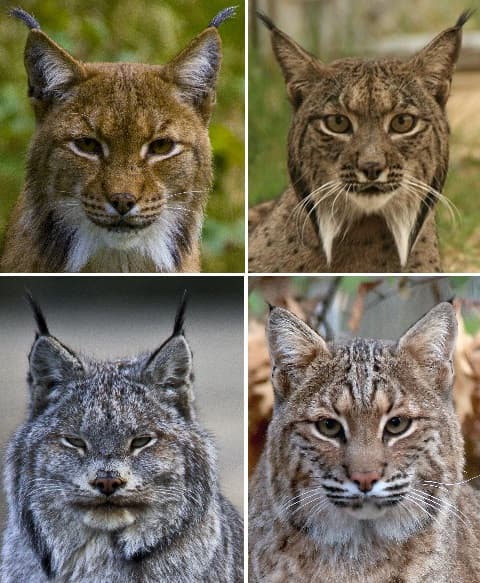
The lynx is a genus of medium-sized wild cats, comprising four extant species: the Canada lynx, Iberian lynx, Eurasian lynx, and bobcat. Originating from an Indo-European root word meaning 'light' or 'brightness,' their name is thought to refer to their reflective eyes. Lynx are distinctive for their short tails, tufted ears, large padded paws, and facial ruffs.