
Acris
Cricket frogs, genus Acris, are small North American frogs belonging to the Hylidae family. Found from northern Mexico to southern Ontario, they are known for their cricket-like vocalizations, which play a crucial role in reproductive isolation. These frogs are notably more aquatic than other tree frogs and are strongly associated with permanent water bodies that offer surface vegetation for survival.
Key Facts
- ›Genus Acris includes small, North American frogs.
- ›They inhabit areas from northern Mexico to southern Ontario, Canada.
- ›Their common and scientific names derive from their cricket-like calls.
- ›Cricket frogs are more aquatic than other Hylidae family members.
- ›They require permanent water bodies with surface vegetation for survival.
- ›Mating calls are species-specific, aiding in reproductive isolation.
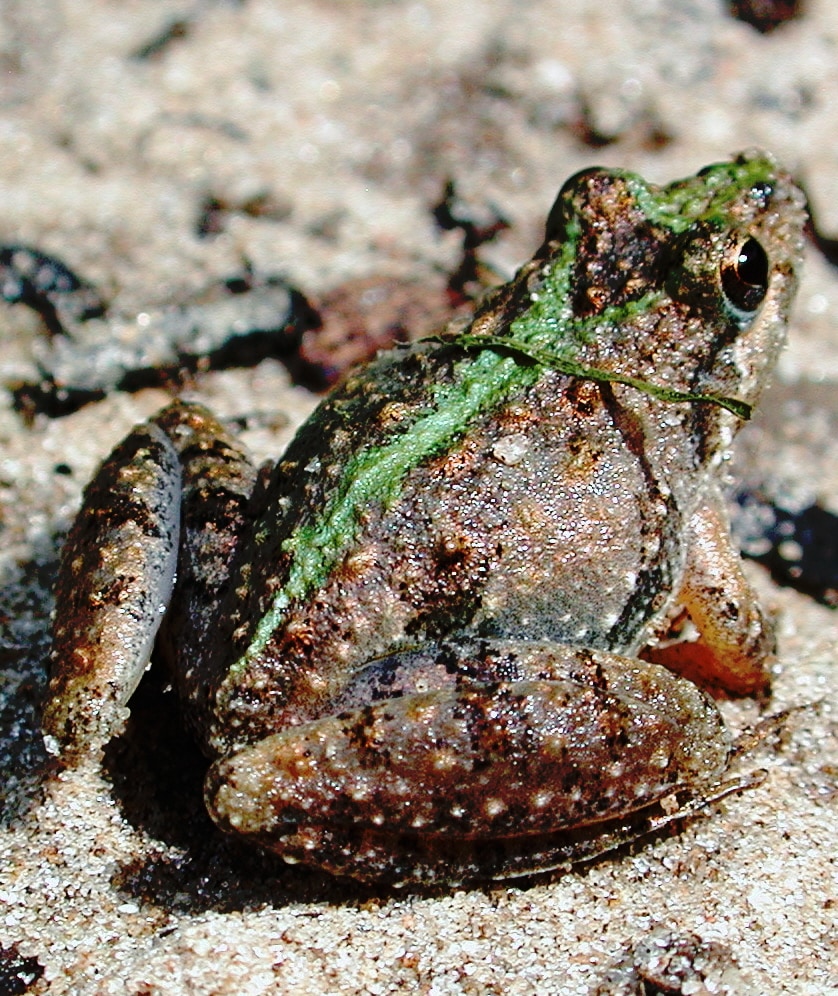
Cricket Frogs
Wetlands, Woodlands, Grasslands
Coahuila, United States, Ontario
- Cricket-Like Vocalizations
- More Aquatic Than Other Hylidae Members
- Association With Permanent Water Bodies With Surface Vegetation
About Acris
Acris: The Cricket Frogs
The genus Acris comprises a group of small, North American frogs commonly known as cricket frogs. These amphibians belong to the family Hylidae and are distinguished by their unique vocalizations, which bear a striking resemblance to the chirping of crickets, a characteristic that has lent them their common name and influenced their scientific nomenclature.
Distribution and Habitat
Cricket frogs are found across a broad geographical range, extending from northern Mexico, specifically the state of Coahuila, throughout the United States east of the Rocky Mountains, and into southern Ontario, Canada. Their habitat preference is a key aspect of their biology; they are significantly more aquatic than many other members of the Hylidae family. Cricket frogs are typically associated with permanent bodies of water that feature ample surface vegetation. This environment is crucial for their survival, as adult cricket frogs face high mortality rates when submerged in poorly oxygenated water.
Biology and Behavior
The calls of cricket frogs are not merely for attracting mates; they also play a vital role in reproductive isolation. These frogs communicate and attract each other using a specific frequency within their mating calls. This unique frequency is only audible to members of the same population, effectively preventing interbreeding with individuals from other locales who are unable to process these distinct calls. This specialized communication mechanism ensures genetic integrity within distinct populations.
Species Diversity
There are three recognized species within the genus Acris: Acris blanchardi (Blanchard's cricket frog), Acris crepitans (northern cricket frog), and Acris gryllus (southern cricket frog). The earliest known fossil member of this lineage is †Acris barbouri, discovered in deposits from the Early Miocene period in Florida, United States, indicating a long evolutionary history for this group.
Source: Wikipedia ↗
Frequently Asked Questions
What is the genus Acris?
The genus Acris encompasses small frogs native to North America. These frogs are commonly known as cricket frogs due to the sound of their calls, which resemble those of crickets.
Where are cricket frogs found?
Cricket frogs are distributed across North America, with populations found in northern Mexico (specifically Coahuila), the United States east of the Rocky Mountains, and in southern Ontario, Canada.
What makes cricket frogs distinctive?
Cricket frogs are characterized by their cricket-like vocalizations, which are used for communication and to attract mates. Uniquely, these calls operate at specific frequencies that can lead to reproductive isolation between different populations.
What is the habitat of Acris frogs?
These frogs are more aquatic than many other tree frogs and are typically found near permanent bodies of water that have surface vegetation. This habitat is vital for their survival, as they are susceptible to high mortality in poorly oxygenated water.
Are there different species of cricket frogs?
Yes, there are three recognized species within the genus Acris: Acris blanchardi (Blanchard's cricket frog), Acris crepitans (northern cricket frog), and Acris gryllus (southern cricket frog). The earliest known fossil member of the group is Acris barbouri.
Related Frogs
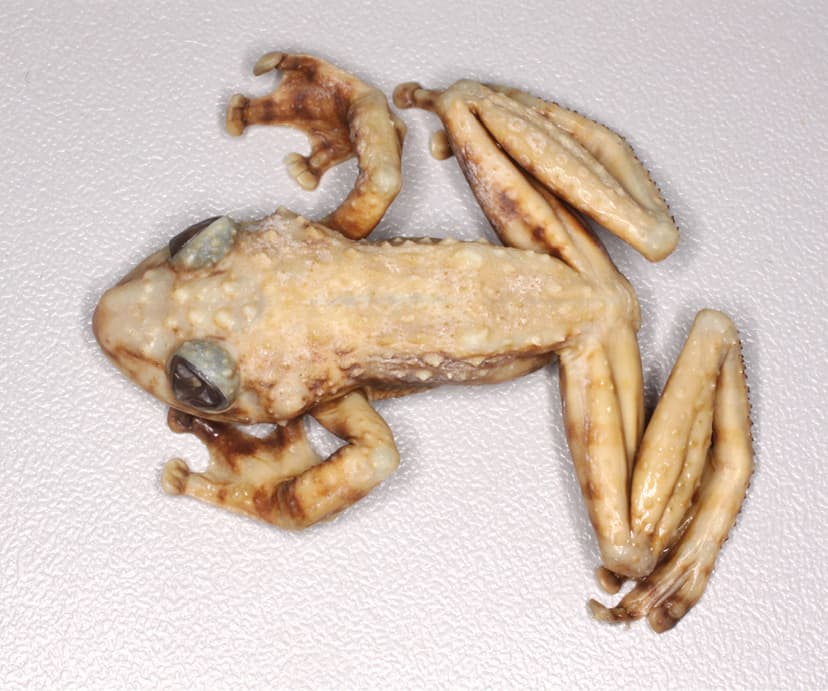
Acanthixalus spinosus
Acanthixalus spinosus, commonly known as the African wart frog, is a species of frog native to Africa, found from southeastern Nigeria to Gabon and the Democratic Republic of the Congo. It is distinctive for its warty, black or brownish-to-olive dorsum with an hourglass pattern, and the males' unique possession of strong tarsal spines and larger digital discs. This species primarily inhabits lowland rainforests, dwelling in water-filled tree holes and exhibiting predominantly aquatic behavior.

African clawed frog
The African clawed frog (Xenopus laevis) is a fully aquatic species native to Sub-Saharan Africa, known for its smooth, mottled skin and powerful legs. These adaptable amphibians are notable for their unique breeding behavior, ability to survive drought by burrowing, and extensive use as a model organism in scientific research, particularly in developmental biology and genetics. They are also recognized as an invasive species in many parts of the world due to their voracious appetite and resilience.
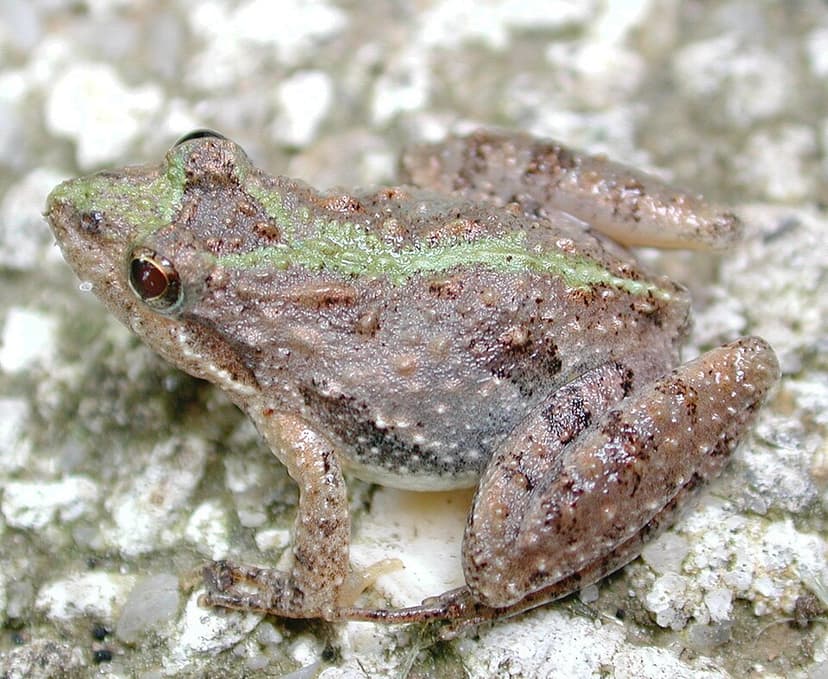
Acris gryllus
The southern cricket frog (Acris gryllus) is a small hylid frog native to the Southeastern United States. It is distinguished from its close relative, the northern cricket frog, by a more pointed snout, longer hind legs, and a sharply defined black stripe on the back of its thigh. This species is typically found in sunny, open areas near water bodies.