
Allobates conspicuus
Allobates conspicuus is a species of frog native to western Brazil and eastern Peru. This diurnal amphibian inhabits bamboo and other forests, including disturbed and regenerating areas, at elevations between 250 and 550 meters. Despite facing threats from agriculture and logging, its conservation status is currently listed as Least Concern.
Key Facts
- ›Native to western Brazil and eastern Peru.
- ›Found in bamboo and other forest types, including disturbed habitats.
- ›Observed at elevations between 250 and 550 meters above sea level.
- ›Its conservation status is classified as Least Concern by the IUCN.
- ›Threats include agriculture (corporate and small farms) and logging.
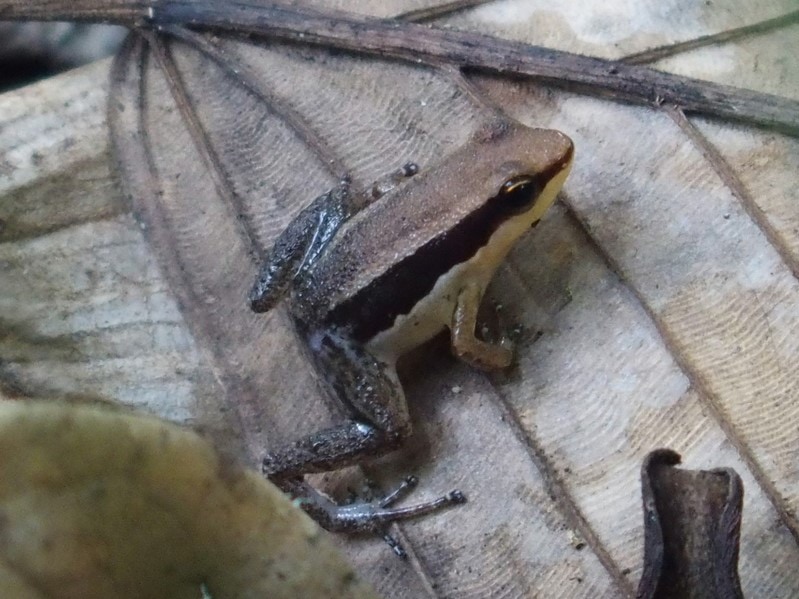
Forest, Bamboo Forest, Disturbed Habitat, Regenerating Forest
Brazil, Peru
About Allobates conspicuus
Allobates conspicuus is a species of frog belonging to the Aromobatidae family. This amphibian is native to the regions of western Brazil and eastern Peru.
Habitat and Distribution
This diurnal species has been observed inhabiting bamboo forests and other woodland environments. Its presence has also been noted in disturbed habitats, including areas of regenerating forest. Allobates conspicuus is found at elevations between 250 and 550 meters above sea level. Specific locations where it has been documented include Manu National Park in Peru, and it is believed to also inhabit Parque Nacional da Serra do Divisor in Brazil.
Reproduction
While detailed information on the breeding behavior of Allobates conspicuus is limited, scientists infer that its tadpoles are aquatic and swim in streams, a characteristic shared with other species within the Allobates genus.
Conservation Status and Threats
The International Union for Conservation of Nature (IUCN) classifies Allobates conspicuus as a species of Least Concern. Despite this classification, the frog faces threats from agricultural activities, including both corporate and small-scale farming, as well as from logging operations, which can impact its natural habitat.
Source: Wikipedia ↗
Frequently Asked Questions
Where is Allobates conspicuus found?
Allobates conspicuus is native to western Brazil and eastern Peru. It has been observed in areas like Manu National Park in Peru and is believed to inhabit Parque Nacional da Serra do Divisor in Brazil.
What type of habitat does Allobates conspicuus prefer?
This diurnal frog is found in bamboo and other forests. It can also be seen in disturbed habitats, such as regenerating forests, and has been observed at elevations between 250 and 550 meters above sea level.
What are the main threats to Allobates conspicuus?
The primary threats to Allobates conspicuus are agriculture, including both corporate and small farms, and logging activities. These human activities can impact its natural habitat.
What is the conservation status of Allobates conspicuus?
The International Union for Conservation of Nature (IUCN) classifies Allobates conspicuus as Least Concern. This means the species is not currently considered to be at high risk of extinction.
What is known about the reproduction of Allobates conspicuus?
While specific details are limited, scientists infer that the tadpoles of Allobates conspicuus swim in streams, similar to other tadpoles within the Allobates genus.
Related Frogs
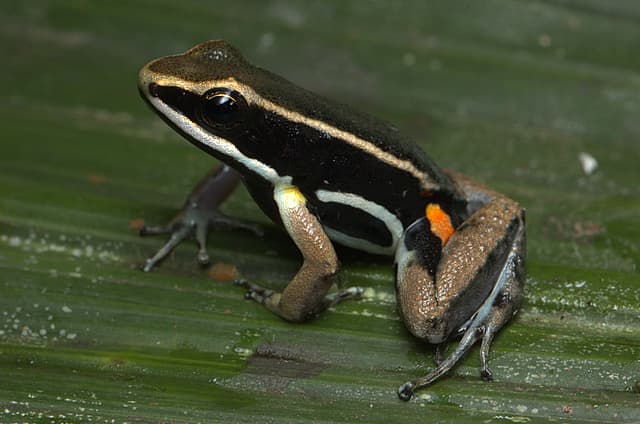
Allobates femoralis
Allobates femoralis, also known as the brilliant-thighed poison frog, is a species of terrestrial frog found in the Amazon basin and tropical eastern South America. This species is distinguished by its vibrant orange-yellow thigh patches and its complex reproductive behaviors, including extended male courtship and the male's role in guarding eggs and transporting tadpoles to water bodies.

Allobates fuscellus
Allobates fuscellus is a frog species native to the Amazon Basin in western Brazil, with potential presence in Peru. It is distinguished by its terrestrial egg-laying and the unique behavior of adult frogs carrying hatched tadpoles to streams for further development. The species is currently classified as least concern for extinction.
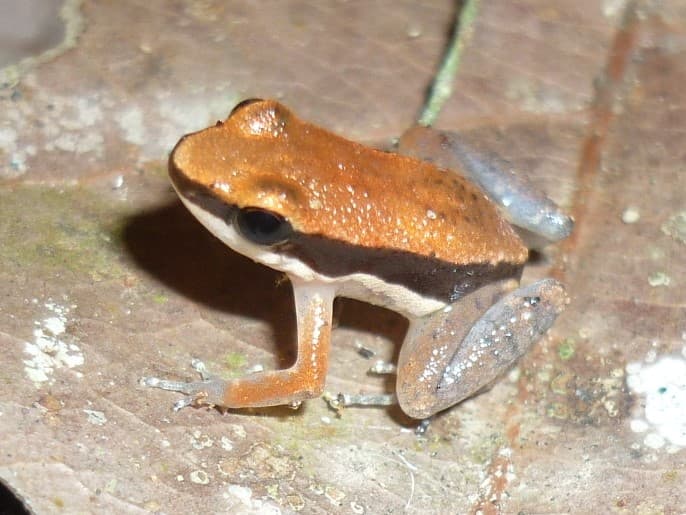
Allobates sumtuosus
Allobates sumtuosus is a small, terrestrial frog species found in the Amazon basin and surrounding Guiana Shield regions of South America. It is characterized by its solid tan-brown to copper dorsal coloration, dark brown flanks, and a distinctive white, iridescent ventrolateral stripe. This species is diurnal and exhibits a unique parental care strategy where males, and occasionally females, transport tadpoles to suitable aquatic environments.