
Anaxyrus exsul
The black toad (Anaxyrus exsul), also known as the Inyo toad or Deep Springs toad, is a true toad found exclusively in scattered oases within Deep Springs Valley, California. Its name "exiled toad" reflects its extreme geographic isolation. This species is distinctive for its black skin speckled with white and tan, a white stripe down its spine, and its tendency to walk rather than hop, remaining close to water sources.
Key Facts
- ›Found only in scattered oases in Deep Springs Valley, Inyo County, California.
- ›Characterized by black skin with white and tan speckles and a white midline stripe.
- ›Adults average around 5 CM (2.0 in) in length.
- ›Active during warmer months, overwintering underground near springs.
- ›Walks instead of hopping and stays close to water.
- ›Designated as a "Fully Protected" and "Threatened" species by the state of California.
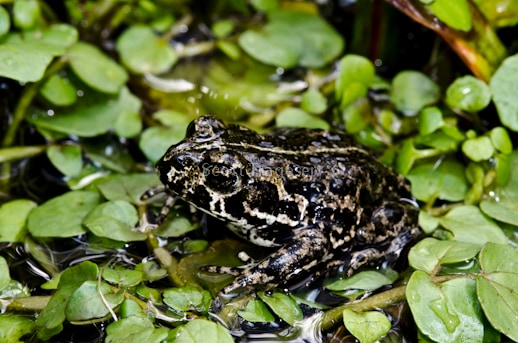
Inyo Toad, Deep Springs Toad
Wetlands, Oases, Marshes, Desert Steppe
California
Black Skin With White and Tan Speckles, White Midline Stripe Down the Spine, Walks Instead of Hops, Strong Association With Water Sources
About Anaxyrus exsul
Anaxyrus exsul: The Black Toad
The black toad, scientifically identified as Anaxyrus exsul, is a unique amphibian species found exclusively in a small, isolated region of California. Commonly known as the Inyo toad or Deep Springs toad, its name "exsul" reflects its "exiled" status in the scattered oases of Deep Springs Valley, Inyo County. This toad inhabits a high desert environment within the Californian Great Basin, making its existence highly localized.
Description and Behavior
Anaxyrus exsul is visually distinctive with its black skin, which is speckled with white and tan markings. A prominent white stripe runs vertically down its spine from its head to its rump. Adult toads typically measure around 5 centimeters (2.0 inches) in length. During the warmer months, they are active and can be found near their native springs. Come winter, they retreat underground to overwinter. A notable behavioral trait is their preference for walking over hopping, and they consistently remain in close proximity to water sources.
Habitat and Conservation
The black toad's habitat is characterized by watercourses, irrigation ditches, and marshes formed by spring water, surrounded by cold desert steppe. These areas often feature grasses, sedges, dwarf bulrush, and watercress. Adults exhibit a more aquatic lifestyle compared to other California toads, breeding in shallow marsh and pond waters. While their habitat is considered relatively intact, Anaxyrus exsul is designated as a "Fully Protected" and "Threatened" species by the state of California due to its very limited range.
Potential future threats include habitat alteration from changes in irrigation, water table fluctuations, and recreational activities. Despite these concerns, the species' population has remained relatively stable, with conservation programs, including those by Deep Springs College, working to maintain suitable conditions. The species was federally listed as threatened in 1967 but this status was later invalidated; however, state protections remain robust.
Source: Wikipedia ↗
Frequently Asked Questions
What is the black toad's scientific name and common names?
The black toad's scientific name is Anaxyrus exsul. It is also commonly referred to as the Inyo toad or the Deep Springs toad.
Where does the black toad live?
The black toad resides exclusively in scattered oases within the Deep Springs Valley of Inyo County, California. This high desert region is part of the Californian Great Basin.
What does the black toad look like?
Adult black toads have black skin covered in white and tan speckles. They also feature a prominent white stripe running down their spine from head to rump. Adults typically measure around 5 centimeters (2.0 inches) in length.
How does the black toad behave?
This species is active during the warmer months and retreats underground near springs to overwinter. Unlike many toads, the black toad walks rather than hops and remains in close proximity to water sources.
What is the conservation status of the black toad?
The black toad is designated as a "Fully Protected" and "Threatened" species by the state of California. Although abundant within its limited range, its vulnerability stems from its very restricted habitat.
What are the potential threats to the black toad?
Potential threats include habitat alteration due to changes in irrigation, water table fluctuations, or well-intentioned but unscientific conservation efforts. Other concerns involve changes in water availability, recreational vehicle use, human collection, and predation by introduced fish.
Related Frogs

African clawed frog
The African clawed frog (Xenopus laevis) is a fully aquatic species native to Sub-Saharan Africa, known for its smooth, mottled skin and powerful legs. These adaptable amphibians are notable for their unique breeding behavior, ability to survive drought by burrowing, and extensive use as a model organism in scientific research, particularly in developmental biology and genetics. They are also recognized as an invasive species in many parts of the world due to their voracious appetite and resilience.
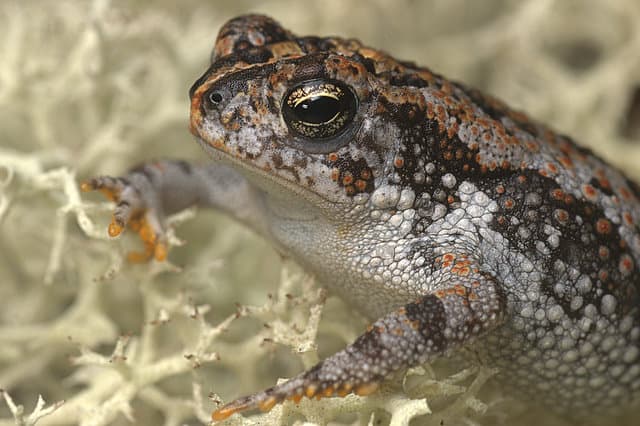
Anaxyrus quercicus
The oak toad (Anaxyrus quercicus) is the smallest toad species in North America, endemic to the coastal regions of the southeastern United States. It is distinguished by its light mid-dorsal stripe, variable spots, and large parotoid glands, and it primarily inhabits sandy pine flatwoods and oak scrub. This species is mostly diurnal and known for its burrowing behavior and a distinctive chirping call produced by males during the breeding season.

Anaxyrus terrestris
The southern toad (Anaxyrus terrestris) is a large true toad found in the southeastern United States, commonly inhabiting areas with sandy soils. It is distinguished by knobs on its head and backward-pointing spurs, and its coloration can vary from brick red to mottled gray, brown, or black. This nocturnal species spends its days in burrows and is considered a generalist in its habitat preferences.