
Anaxyrus punctatus
The red-spotted toad (Anaxyrus punctatus) is a small toad species native to the southwestern United States and northwestern Mexico, particularly Baja California. It is characterized by its flattened body, reddish or orange skin glands, and distinctive reddish-brown to olive coloration. This adaptable amphibian thrives in arid and semi-arid regions, often found near rocky streams and riverbeds, and requires ephemeral water sources for breeding.
Key Facts
- ›Small toad species with a flattened head and body, measuring 3.7 to 7.5 CM in length.
- ›Dorsum is light grey, olive, or reddish-brown with reddish or orange skin glands.
- ›Found in the southwestern United States and northwestern Mexico, including Baja California.
- ›Inhabits arid or semi-arid regions, typically near rocky streams and riverbeds.
- ›Requires seasonal pools or temporary rain puddles for breeding.
- ›Docile and easily handled with minimal skin gland secretions.
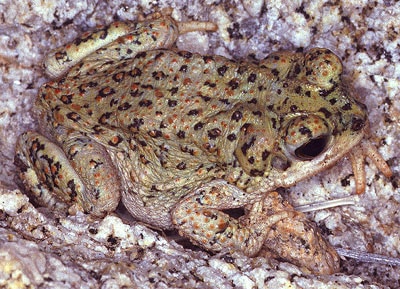
Red-Spotted Toad
Arid Zones, Semi-Arid Zones, Riparian Zones, Ephemeral Wetlands
Arizona, California, Nevada, New Mexico, Texas, Utah, Baja California, Baja California Sur, Chihuahua, Sonora
Reddish Or Orange Skin Glands, Flattened Head and Body, Pointed Snout, Round Parotoid Glands, Dusky Throat In Males During Breeding Season
About Anaxyrus punctatus
Anaxyrus punctatus: The Red-Spotted Toad
The red-spotted toad, scientifically known as Anaxyrus punctatus (formerly Bufo punctatus), is a small amphibian native to the southwestern United States and northwestern Mexico, with a significant presence in Baja California.
Description and Appearance
This toad is characterized by its flattened head and body, typically measuring between 3.7 and 7.5 cm (1.5 to 3.0 inches) in length. Its dorsal surface displays a coloration ranging from light grey to olive or reddish-brown, often adorned with distinctive reddish or orange skin glands. The underside, or venter, is usually whitish or buff and may exhibit faint dark spotting. A pointed snout and round parotoid glands are also characteristic features. Juvenile red-spotted toads bear a resemblance to adults but have more prominent ventral spotting, and their feet are yellow on the underside. During the breeding season, male red-spotted toads develop a dusky throat and nuptial pads.
Distribution and Habitat
Anaxyrus punctatus inhabits arid and semi-arid regions, primarily found along rocky streams and riverbeds, particularly in Baja California. While it is localized along the coastal slope, it is widespread within desert environments. The species' survival in dry areas is dependent on the availability of seasonal pools or temporary rain puddles, which are essential for its breeding cycle.
Life Cycle and Behavior
Red-spotted toad eggs hatch quickly, within three days of being laid. The tadpole stage is relatively short, with transformation into an adult occurring in 6 to 8 weeks, often facilitated by the presence of ephemeral water bodies. During dry periods, these toads seek refuge by burrowing or hiding beneath rocks and moist plant matter. They become notably active during rainfall, with many individuals emerging simultaneously. The species is described as docile and easily handled, producing little to no skin gland secretions.
Hybridization
In certain locations, the red-spotted toad may hybridize with other toad species, including the western toad (Anaxyrus boreas).
Source: Wikipedia ↗
Frequently Asked Questions
What is the scientific name for the red-spotted toad?
The scientific name for the red-spotted toad is Anaxyrus punctatus. It was formerly known by the scientific name Bufo punctatus.
Where can the red-spotted toad be found?
The red-spotted toad is native to the southwestern United States and northwestern Mexico. It is particularly common in Baja California and is often found in arid or semi-arid regions along rocky streams and riverbeds.
What does the red-spotted toad look like?
This is a small toad with a flattened body and head. Its back ranges from light grey to olive or reddish-brown, marked by reddish or orange skin glands. The underside is whitish or buff, sometimes with faint dark spots, and it possesses round parotoid glands.
What is the habitat of the red-spotted toad?
The red-spotted toad prefers arid or semi-arid environments, typically found along rocky streams and riverbeds. In drier areas, it relies on seasonal pools or temporary rain puddles for breeding and will spend dry periods in burrows or under rocks and moist plant matter.
How long does it take for red-spotted toad eggs to hatch and tadpoles to transform?
Red-spotted toad eggs hatch within three days. The tadpoles can then transform into adult toads in approximately 6 to 8 weeks, a process that often takes advantage of the availability of ephemeral water bodies.
Related Frogs
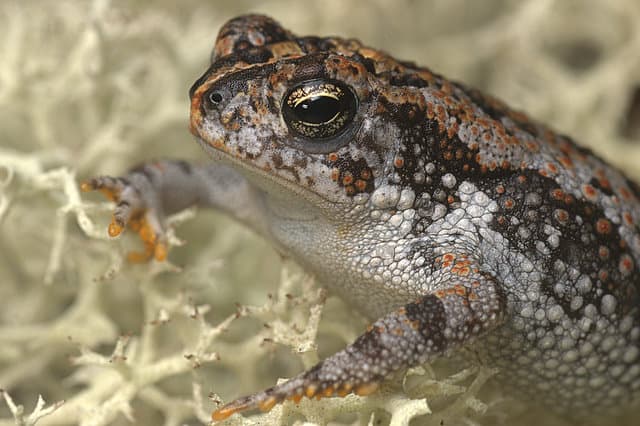
Anaxyrus quercicus
The oak toad (Anaxyrus quercicus) is the smallest toad species in North America, endemic to the coastal regions of the southeastern United States. It is distinguished by its light mid-dorsal stripe, variable spots, and large parotoid glands, and it primarily inhabits sandy pine flatwoods and oak scrub. This species is mostly diurnal and known for its burrowing behavior and a distinctive chirping call produced by males during the breeding season.
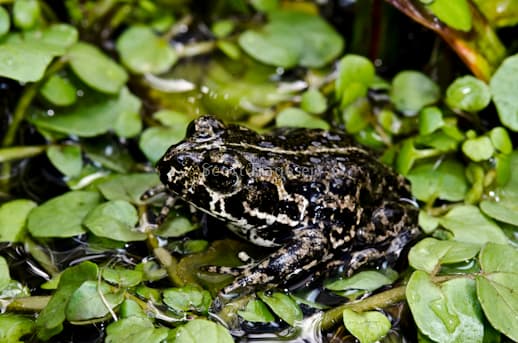
Anaxyrus exsul
The black toad (Anaxyrus exsul), also known as the Inyo toad or Deep Springs toad, is a true toad found exclusively in scattered oases within Deep Springs Valley, California. Its name "exiled toad" reflects its extreme geographic isolation. This species is distinctive for its black skin speckled with white and tan, a white stripe down its spine, and its tendency to walk rather than hop, remaining close to water sources.

Anaxyrus terrestris
The southern toad (Anaxyrus terrestris) is a large true toad found in the southeastern United States, commonly inhabiting areas with sandy soils. It is distinguished by knobs on its head and backward-pointing spurs, and its coloration can vary from brick red to mottled gray, brown, or black. This nocturnal species spends its days in burrows and is considered a generalist in its habitat preferences.