
Aplastodiscus arildae
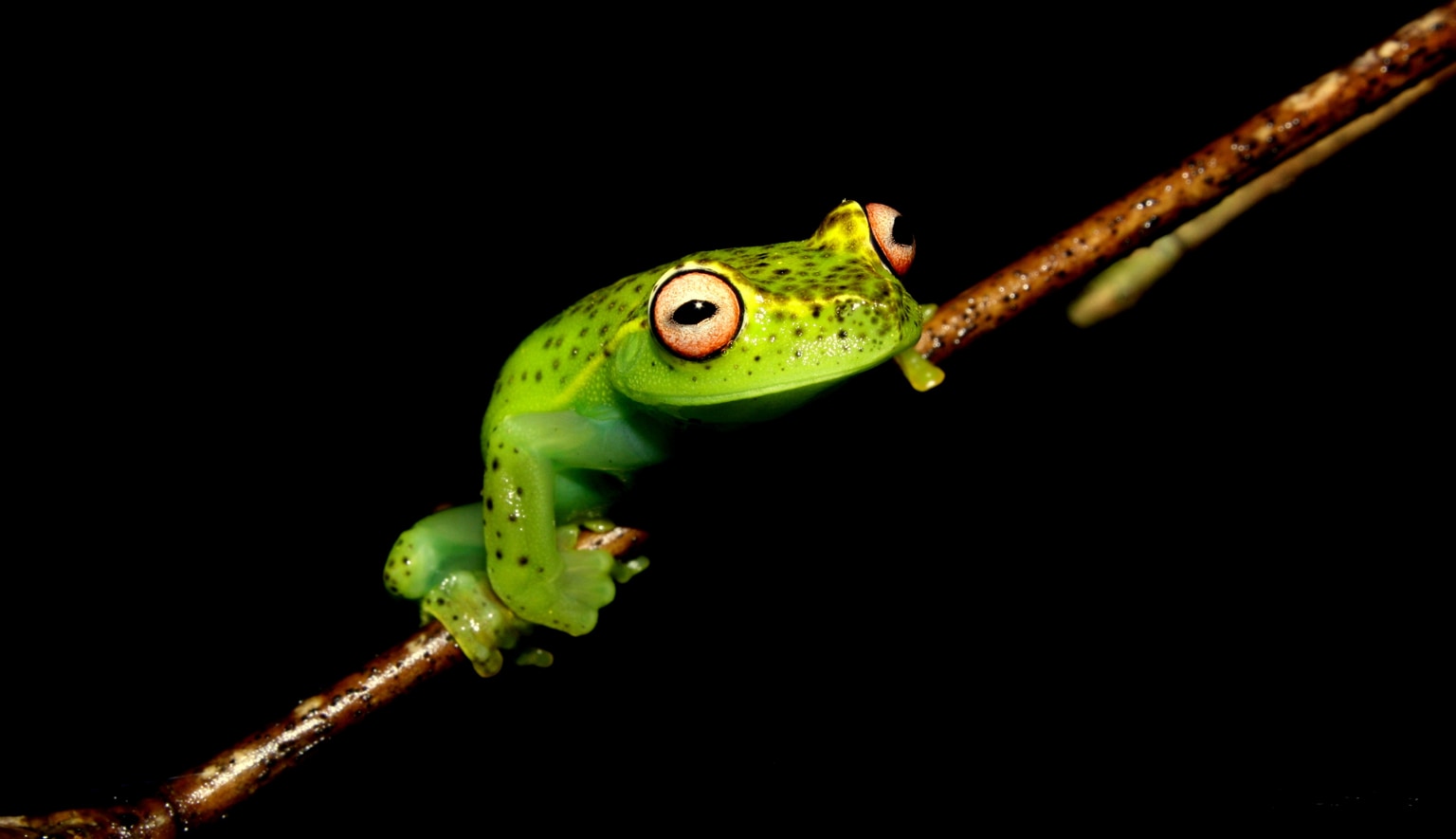
Aplastodiscus arildae is a frog species endemic to southeastern Brazil, found in mountainous regions like the Serra do Mar and Serra da Mantiqueira. It is distinguished by its slender, green coloration with a distinctive yellowish line along its head and its varied vocalizations, including advertisement, courtship, and territorial calls.
Key Facts
- ›Endemic to southeastern Brazil, inhabiting mountainous forest regions.
- ›Males typically range from 34-38 MM snout-to-vent length, with females slightly larger.
- ›Features a slender body, green coloration, and a prominent yellowish line from the canthus rostralis.
- ›Possesses three distinct call types: advertisement, courtship, and territorial.
- ›Breeds in permanent streams where tadpoles develop.
- ›Considered very common but dependent on forest habitats.
Primary Forests, Secondary Forests, Streamside Vegetation
Brazil
- Slender Body
- Green Coloration
- Thick Yellowish Line From Canthus Rostralis To Over Supratympanic Fold
About Aplastodiscus arildae
Aplastodiscus arildae is a species of frog endemic to the southeastern region of Brazil. It is found in several mountainous areas, including the Serra do Mar, Serra da Mantiqueira, Serra do Espinhaço, and Serra do Japi. The specific epithet 'arildae' honors Arilda M. G. da Cruz, the wife of one of its discoverers.
Description and Appearance
This frog is characterized by its slender build. Adult males typically measure between 34 and 38 mm in snout-to-vent length, while a single recorded female measured 40 mm. Larger males, reaching 41-42 mm, have also been noted near the original discovery location. Its overall color is green. A distinctive feature is a thick yellowish line that runs from the canthus rostralis, along the edge of the upper eyelid, and extends over the supratympanic fold. The head is as wide as it is long, with a distinct canthus rostralis and tympanum. The fingers and toes are partially webbed and possess terminal adhesive discs.
Habitat and Ecology
Aplastodiscus arildae inhabits both primary and secondary forests at elevations ranging from 800 to 1,500 meters above sea level. Males are known to vocalize from high up in the forest canopy or from vegetation located near streams. The species is dependent on forest environments and is considered very common within its range, though land-use change poses a localized threat. Its tadpoles develop in permanent streams, where breeding also takes place.
Vocalizations
The species exhibits a complex vocal repertoire, including three distinct call types: advertisement, courtship, and territorial calls. The advertisement call in the Serra do Japi region is a single-note sound with two harmonics, emitted at a rate of approximately 41 calls per minute. Calls recorded near the type locality show variability in the number of harmonics. Courtship calls are similar to advertisement calls but are delivered at a higher frequency. Territorial calls consist of three to four notes and can be stimulated by playback of male advertisement calls, especially amidst significant vocal activity from other frogs.
Source: Wikipedia ↗
Frequently Asked Questions
What is the scientific name for this frog?
The scientific name for this frog is Aplastodiscus arildae. This binomial nomenclature follows the standard system for classifying species.
Where is Aplastodiscus arildae found?
Aplastodiscus arildae is found in southeastern Brazil. Its distribution includes mountainous areas such as the Serra do Mar, Serra da Mantiqueira, Serra do Espinhaço, and Serra do Japi.
What does Aplastodiscus arildae look like?
This frog is characterized by its slender appearance and green coloration. A notable feature is a thick yellowish line that runs from the canthus rostralis, along the edge of the upper eyelid, and over the supratympanic fold.
What are the different calls made by Aplastodiscus arildae?
Aplastodiscus arildae produces three types of calls: advertisement calls, courtship calls, and territorial calls. The advertisement call can be a single note with harmonics, while courtship calls are emitted at a higher rate, and territorial calls consist of three to four notes.
What is the habitat of Aplastodiscus arildae?
This species inhabits primary and secondary forests at elevations between 800 and 1,500 meters. Males are known to call from high in the forest canopy or from vegetation along streams.
How does Aplastodiscus arildae reproduce?
Breeding for Aplastodiscus arildae occurs in permanent streams. These streams also serve as the environment for the development of their tadpoles.
Related Frogs
Aplastodiscus leucopygius
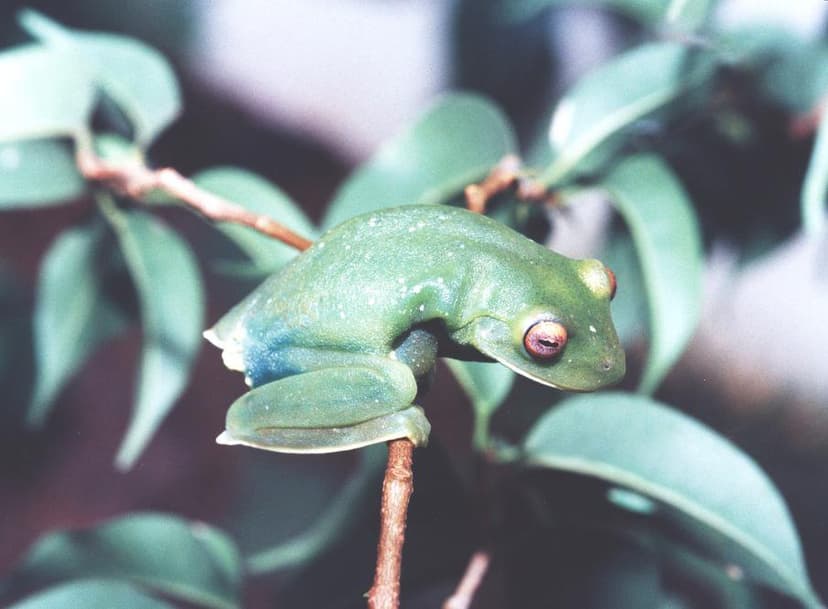
Aplastodiscus leucopygius is a medium-sized frog species endemic to the mountainous regions of southeastern Brazil. Distinctive for its golden iris, green dorsal surface with white spots, and a white ridge above the vent, this arboreal frog plays a role in its forest ecosystem.
Aplastodiscus callipygius
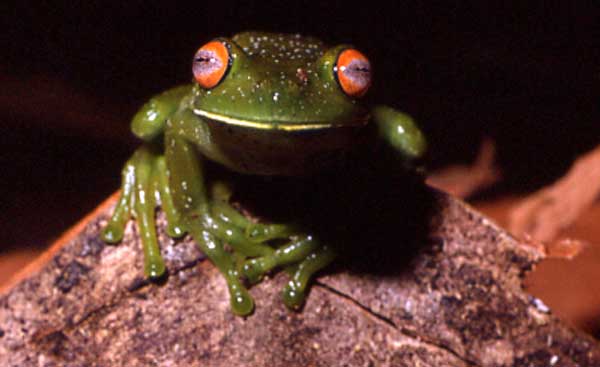
Aplastodiscus albosignatus, commonly known as the Bocaina treefrog, is a species of frog endemic to Brazil. This arboreal amphibian is distinguished by its green coloration, including its muscles and bones, and unique granulations near its cloacal vent. It inhabits subtropical and tropical moist forests, particularly near mountain streams, and is currently listed as Least Concern by the IUCN.
Aplastodiscus cochranae
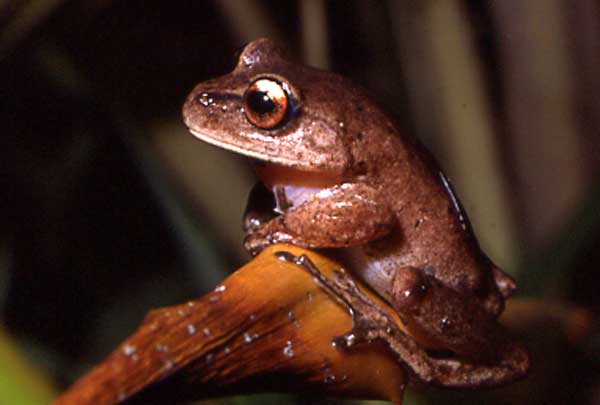
Aplastodiscus cochranae, also known as the canebrake treefrog, is a species of frog found in the coastal mountains of Santa Catarina, Brazil. This frog is characterized by its robust appearance, distinct coloration, and specific breeding habits.