
Aplastodiscus ibirapitanga
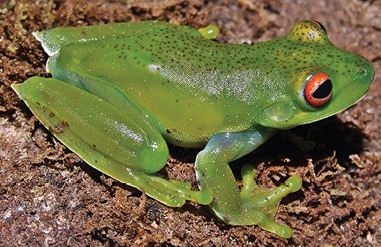
Aplastodiscus ibirapitanga is a species of frog belonging to the Hylidae family. It is found in subtropical and tropical moist forests, as well as along rivers. The species is notable for tolerating some habitat modification and is not currently considered threatened.
Key Facts
- ›Found in subtropical and tropical moist lowland and montane forests.
- ›Also inhabits areas along rivers.
- ›Tolerates some degree of habitat modification.
- ›Not considered a threatened species.
- ›Belongs to the Hylidae family.
Subtropical/Tropical Moist Lowland Forest, Subtropical/Tropical Moist Montane Forest, Riverine
Tolerates Some Habitat Modification
About Aplastodiscus ibirapitanga
Aplastodiscus ibirapitanga is a species of frog belonging to the Hylidae family, commonly known as tree frogs. This species is primarily found in subtropical and tropical moist lowland and montane forests. It also inhabits areas adjacent to rivers, indicating a preference for humid environments with access to water.
Habitat and Distribution
The natural habitats for Aplastodiscus ibirapitanga are subtropical or tropical moist lowland forests and subtropical or tropical moist montane forests. Its presence along rivers further defines its ecological niche. A key characteristic of this species is its ability to tolerate some degree of habitat modification, which has contributed to its current conservation status.
Conservation Status
Aplastodiscus ibirapitanga is not considered threatened. Its resilience to changes in its environment suggests a capacity for adaptation. This classification as 'Least Concern' indicates that its populations are stable and not facing immediate risks of extinction based on current knowledge.
Source: Wikipedia ↗
Frequently Asked Questions
What kind of forests does Aplastodiscus ibirapitanga inhabit?
Aplastodiscus ibirapitanga is found in subtropical or tropical moist lowland forests and subtropical or tropical moist montane forests. These environments provide the necessary moisture and conditions for the species.
Are there any specific water bodies associated with Aplastodiscus ibirapitanga's habitat?
Yes, this frog species is also found along rivers. This suggests an association with aquatic or semi-aquatic environments in addition to forests.
Is Aplastodiscus ibirapitanga endangered?
No, Aplastodiscus ibirapitanga is not considered threatened. It tolerates some habitat modification, which contributes to its stable conservation status.
What family does Aplastodiscus ibirapitanga belong to?
Aplastodiscus ibirapitanga is a species within the Hylidae family. This family is commonly known as tree frogs.
Related Frogs
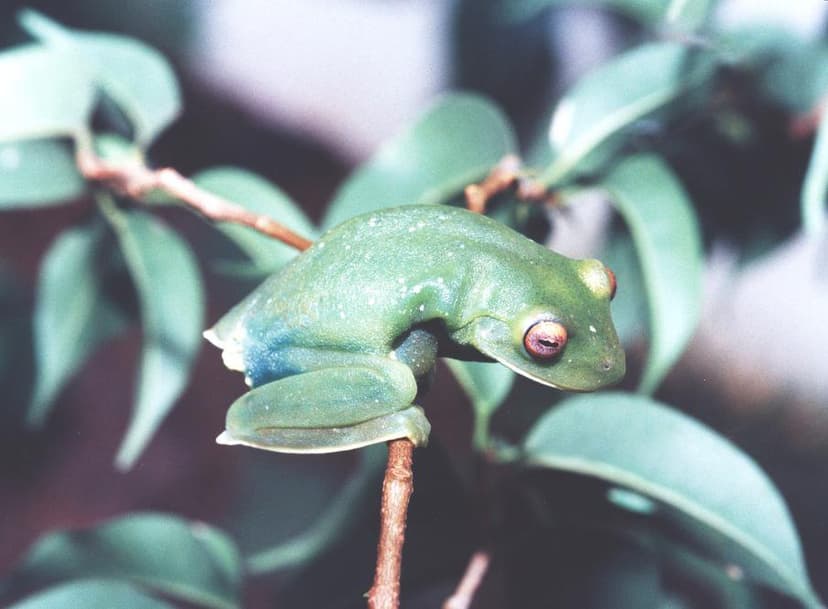
Aplastodiscus leucopygius
Aplastodiscus leucopygius is a medium-sized frog species endemic to the mountainous regions of southeastern Brazil. Distinctive for its golden iris, green dorsal surface with white spots, and a white ridge above the vent, this arboreal frog plays a role in its forest ecosystem.
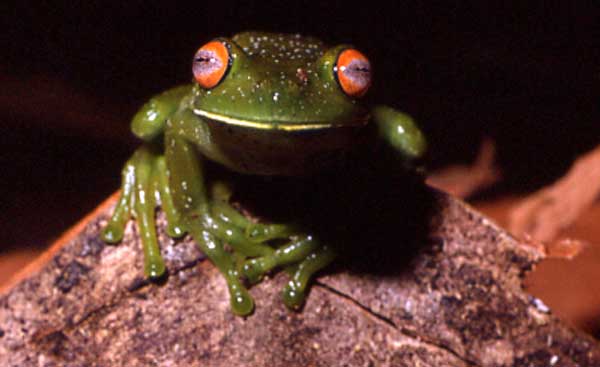
Aplastodiscus callipygius
Aplastodiscus albosignatus, commonly known as the Bocaina treefrog, is a species of frog endemic to Brazil. This arboreal amphibian is distinguished by its green coloration, including its muscles and bones, and unique granulations near its cloacal vent. It inhabits subtropical and tropical moist forests, particularly near mountain streams, and is currently listed as Least Concern by the IUCN.
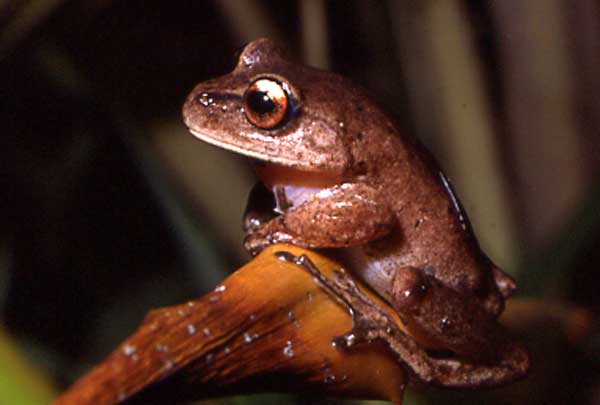
Aplastodiscus cochranae
Aplastodiscus cochranae, also known as the canebrake treefrog, is a species of frog found in the coastal mountains of Santa Catarina, Brazil. This frog is characterized by its robust appearance, distinct coloration, and specific breeding habits.