
Ascaphus truei
Ascaphus·Not Specified
Ascaphus truei, commonly known as the tailed frog, is a primitive frog species found in the fast-flowing streams of the northwestern United States and Canada. Its most distinctive features are the male's cloacal extension used for internal fertilization and the tadpoles' large oral sucker for attachment to rocks in turbulent water. These adaptations allow them to thrive in a habitat unsuitable for most other amphibians.
Key Facts
- ›Possesses a unique cloacal extension in males, enabling internal fertilization.
- ›Tadpoles have a large oral sucker for adhering to rocks in fast-flowing water.
- ›Primarily aquatic, but adults forage terrestrially during cool, wet conditions.
- ›Larvae can take one to four years to metamorphose.
- ›Secretes antimicrobial peptides called ascaphins to combat bacteria.
- ›Found in cold, fast-moving streams with cobblestone bottoms.
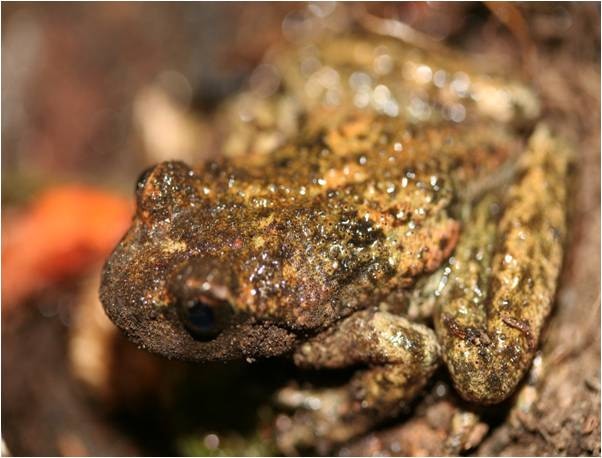
Coastal Tailed Frog
Freshwater, Streams, Forests
California, Idaho, Montana, Oregon, Washington, British Columbia
Male Cloacal Extension, Large Oral Sucker In Tadpoles, Amphicoelous Vertebrae, Free Ribs, Secretion of Ascaphins
About Ascaphus truei
Ascaphus truei: The Primitive Tailed Frog
The tailed frog, scientifically known as Ascaphus truei, is a remarkable and primitive amphibian species found exclusively in the fast-flowing, cold streams of the northwestern United States and southeastern British Columbia. This unique frog is distinguished by two primary adaptations that allow it to thrive in its challenging aquatic environment: the male's specialized cloacal extension, often referred to as a 'tail,' which facilitates internal fertilization, and the tadpoles' exceptionally large oral sucker, enabling them to anchor themselves to rocks in turbulent waters.
Evolutionary Significance and Anatomy
Ascaphus truei belongs to the genus Ascaphus, the sole genus within the family Ascaphidae. This family is considered one of the most ancient frog lineages, retaining several ancestral traits not found in most modern frogs. These include amphicoelous vertebrae and free ribs, characteristics more commonly seen in fish and early terrestrial tetrapods. The "tail" of the male, a misnomer for an extension of the cloaca, is a critical adaptation for successful sperm transfer in their swift stream habitats, making Ascaphus truei one of the only North American frog species to reproduce via internal fertilization. Furthermore, these frogs possess the unique ability to secrete antimicrobial peptides called ascaphins, which exhibit antibacterial properties against pathogens like E. coli and S. aureus.
Habitat and Lifestyle
The habitat of Ascaphus truei is strictly confined to cold, fast-moving streams, characterized by cobblestone bottoms. While primarily aquatic, adults will emerge from the water to forage terrestrially during cooler, wetter periods. Their thermal tolerance is exceptionally low, preferring water temperatures below 20°C, with eggs developing best between 5°C and 13.5°C. This sensitivity dictates their habitat preference and may influence their movement patterns, though detailed migratory behavior remains poorly documented. During winter, they become less active, seeking refuge under large logs and boulders.
Reproduction and Development
Breeding occurs from May to September, with females depositing strings of eggs beneath rocks in the streams. The larval stage is notably prolonged, with metamorphosis taking one to four years to complete in the cold, fast-flowing mountain streams. The tadpoles' large sucker-like mouthparts are essential for their survival, allowing them to cling to substrates and feed on algae and desmids in waters too turbulent for other anurans. Adults, in contrast, are more generalist predators, consuming insects, arthropods, and snails found both in and along the stream banks.
Source: Wikipedia ↗
Frequently Asked Questions
What makes the tailed frog unique among North American frogs?
The tailed frog is unique among North American frogs due to its internal fertilization, facilitated by a specialized cloacal extension in males, and its tadpoles' large oral sucker which allows them to cling to substrates in turbulent, fast-flowing streams.
What is the 'tail' of the tailed frog?
The 'tail' is not a true tail but an extension of the male cloaca. It is used to insert sperm into the female during mating, which is crucial for successful reproduction in their fast-flowing stream habitat.
What is the diet of Ascaphus truei?
Adult tailed frogs forage on a variety of food items, including aquatic and terrestrial larval and adult insects, other arthropods, and snails. Tadpoles primarily consume small amounts of filamentous green algae, desmids, and seasonally, large quantities of conifer pollen.
Where do tailed frogs live?
Ascaphus truei inhabits cold, fast-moving streams with cobblestone bottoms in the northwestern United States, including Montana, Idaho, Washington, Oregon, and northern California, as well as southeastern British Columbia in Canada.
How do tailed frog tadpoles survive in fast water?
Tadpoles of the tailed frog have a distinctive large, sucker-like mouth that allows them to attach firmly to smooth-surfaced stones in swift and turbulent water, preventing them from being washed away.
What are ascaphins and why are they important?
Ascaphins are a series of antimicrobial peptides secreted through the skin of tailed frogs. These peptides are essential for fighting bacteria such as E. coli and S. aureus, helping to protect the frogs from infection.
Related Frogs
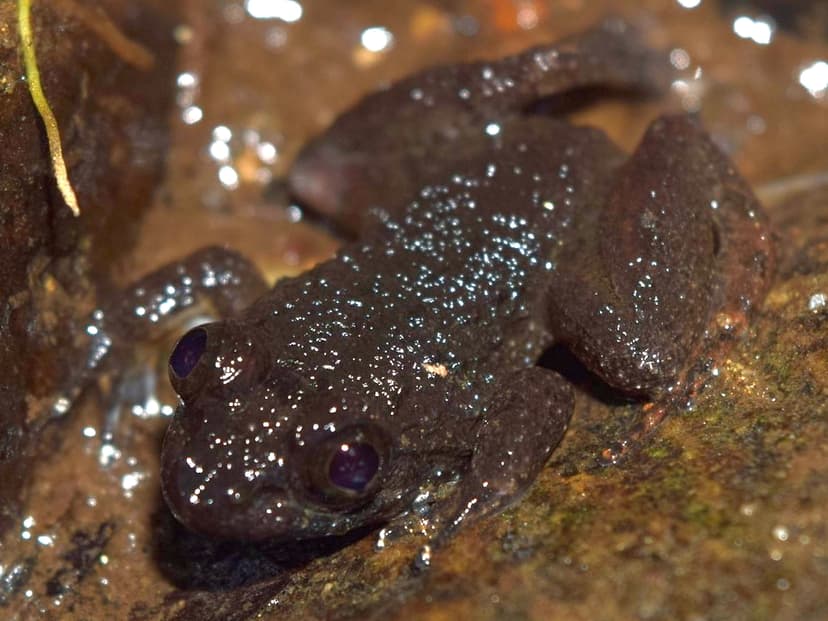
Alcalus rajae
Alcalus rajae, also known as the king dwarf mountain frog, is a species of frog endemic to the island of Borneo in Indonesia. This stocky amphibian is distinguished by its uniformly colored brown to blackish dorsal side, short limbs, and discs on its fingers and toes. It inhabits undisturbed and secondary forests near water sources within a specific altitudinal range.
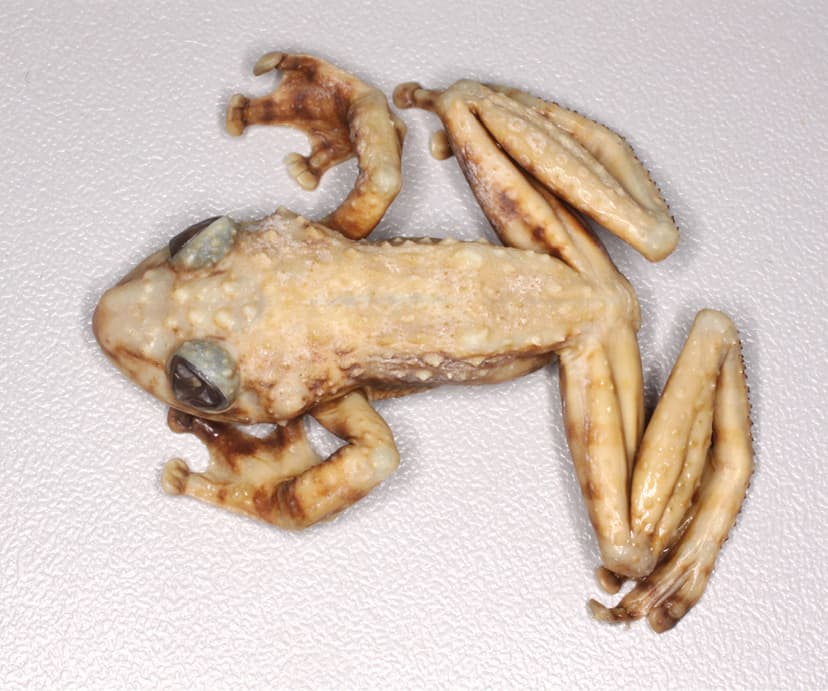
Acanthixalus spinosus
Acanthixalus spinosus, commonly known as the African wart frog, is a species of frog native to Africa, found from southeastern Nigeria to Gabon and the Democratic Republic of the Congo. It is distinctive for its warty, black or brownish-to-olive dorsum with an hourglass pattern, and the males' unique possession of strong tarsal spines and larger digital discs. This species primarily inhabits lowland rainforests, dwelling in water-filled tree holes and exhibiting predominantly aquatic behavior.
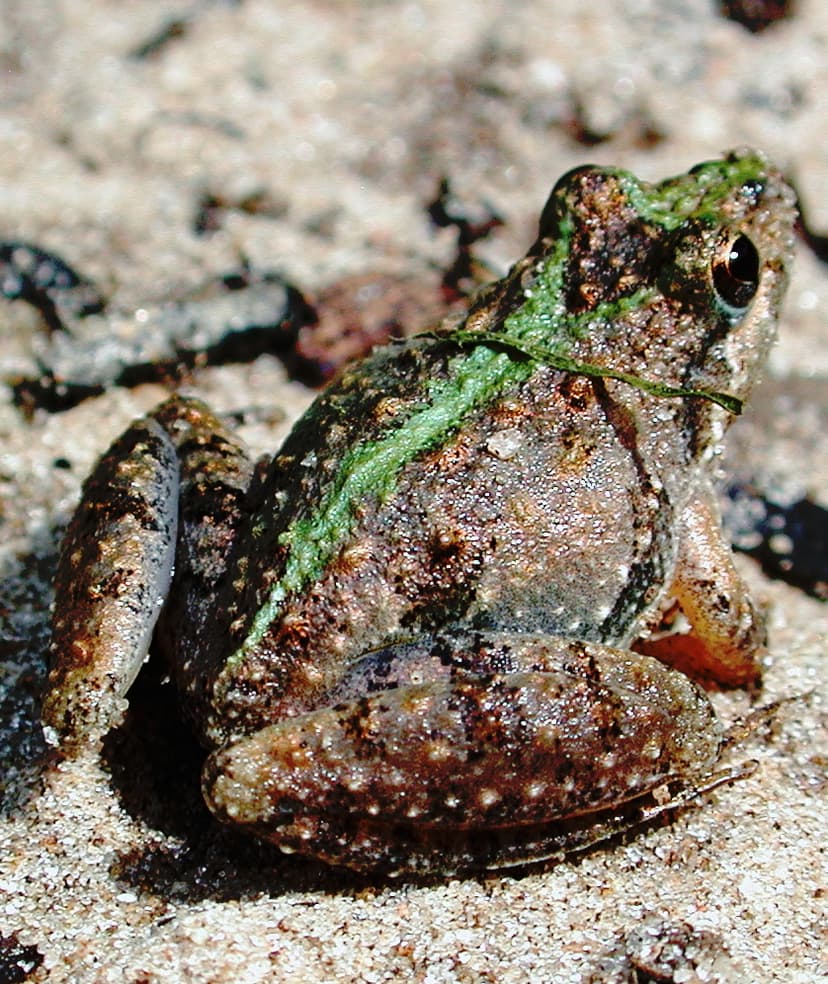
Acris
Cricket frogs, genus Acris, are small North American frogs belonging to the Hylidae family. Found from northern Mexico to southern Ontario, they are known for their cricket-like vocalizations, which play a crucial role in reproductive isolation. These frogs are notably more aquatic than other tree frogs and are strongly associated with permanent water bodies that offer surface vegetation for survival.