
Colonia Glacier
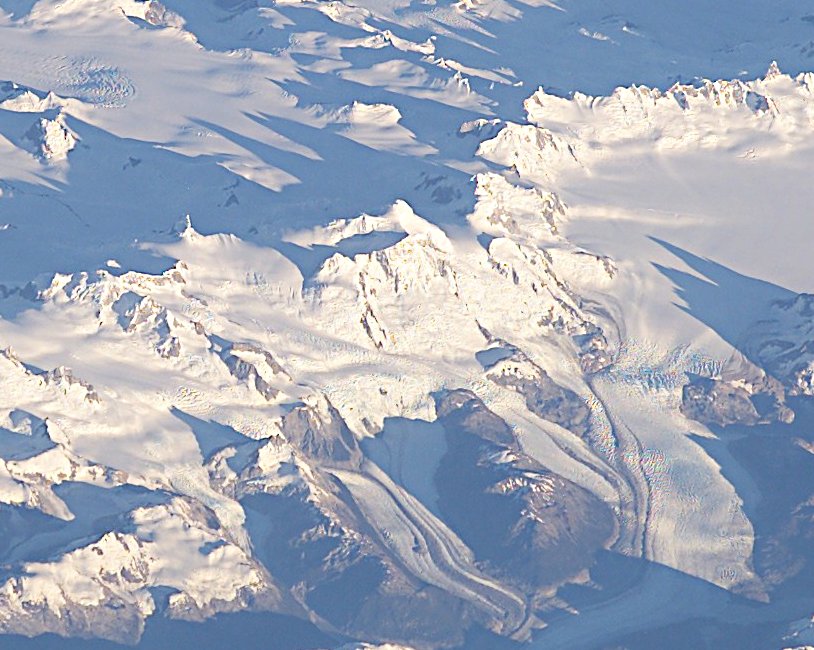
Colonia Glacier is a valley glacier situated in Chile's Northern Patagonian Ice Field. It is notable for damming two lakes, Cachet II and Arco Lake, and is particularly known for the regular glacial lake outburst floods (GLOFs) originating from Lake Cachet II. These floods, caused by perforations in the glacial ice due to rising temperatures, have increased in frequency, highlighting the glacier's sensitivity to climate change.
Key Facts
- ›Located in the Northern Patagonian Ice Field, Chile.
- ›A valley glacier spilling southeast from an ice plateau.
- ›Terminus is approximately 4 km from Colonia Lake.
- ›Dams two lakes: Cachet II and Arco Lake.
- ›Responsible for regular glacial lake outburst floods from Lake Cachet II.
- ›Lake Cachet II has drained 11 times since 2008.
Known For
- Regular glacial lake outburst floods from Lake Cachet II
- Sensitivity to climate change
Dams Lake Cachet Ii, Dams Arco Lake
About Colonia Glacier
Colonia Glacier is a significant valley glacier located within the Northern Patagonian Ice Field in Chile. It originates from an ice plateau situated north of Cerro Arenales and flows southeast, with its terminus located approximately 4 kilometers from Colonia Lake. The glacier is notable for its role in damming two distinct lakes: Cachet II and Arco Lake.
Glacial Lake Outburst Floods (GLOFs)
A primary characteristic of Colonia Glacier is its involvement in generating regular glacial lake outburst floods, particularly from Lake Cachet II. The ice dam that contains the waters of this lake is prone to developing perforations. These breaches cause substantial volumes of water to be released rapidly. A prominent event occurred on March 31, 2012, when nearly all of the 200 million cubic meters of water from Lake Cachet II were lost in under 24 hours. This phenomenon is directly linked to rising global temperatures driven by climate change, which weakens the glacial ice. Experts have observed an increase in the frequency of these drainage events, with the lake having drained 11 times since 2008, and they anticipate this trend will continue.
Source: Wikipedia ↗
Frequently Asked Questions
Where is Colonia Glacier located?
Colonia Glacier is located in the Northern Patagonian Ice Field in Chile. It flows southeast from an ice plateau north of Cerro Arenales.
What is a notable characteristic of Colonia Glacier?
Colonia Glacier is known for damming two lakes, Cachet II and Arco Lake. The ice dam holding back Lake Cachet II regularly fails, leading to glacial lake outburst floods.
What causes the glacial lake outburst floods from Lake Cachet II?
The floods are caused by perforations in the glacial wall of the ice dam. These perforations are a consequence of rising temperatures driven by climate change.
How frequently do these floods occur?
The lake has drained 11 times since 2008, and experts predict the frequency of these events will increase.
What was the impact of a specific flood event?
On March 31, 2012, nearly all of the 200 million cubic meters of water in Lake Cachet II were lost in less than 24 hours due to perforations in the glacial wall.
Related Glaciers

Jorge Montt Glacier
Jorge Montt Glacier is a significant tidewater glacier located in Chile's Aisén Region, within Bernardo O'Higgins National Park. It is notable for its rapid thinning and substantial retreat, which has been linked to both climate warming and the unique bathymetry of its fjord. The glacier plays a role in the local environment, calving icebergs into the Baker Channel.

Bernardo Glacier
Bernardo Glacier is a significant glacier situated within Bernardo O'Higgins National Park in Chile. It is one of the largest glaciers in the Southern Patagonian Ice Field and flows westward into Bernardo Fjord, making it a notable feature of the region's glacial landscape.
Brüggen Glacier
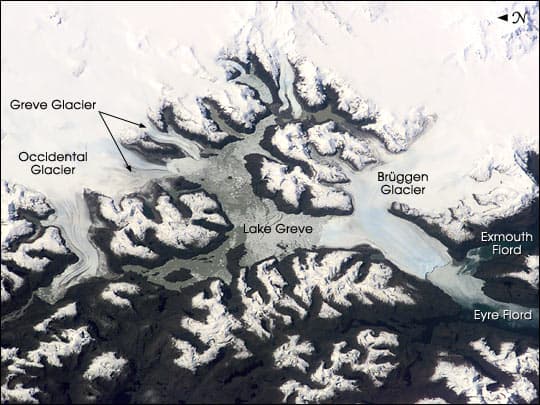
Brüggen Glacier, also known as Pío XI Glacier, is the largest western outflow from the Southern Patagonian Ice Field in southern Chile. It holds the distinction of being the longest glacier in the Southern Hemisphere outside of Antarctica, with a length of approximately 66 km. Notably, unlike many glaciers globally, Brüggen Glacier experienced significant advancement between 1945 and 1976, surging several kilometers and altering the local fjord landscape.