
Elbow
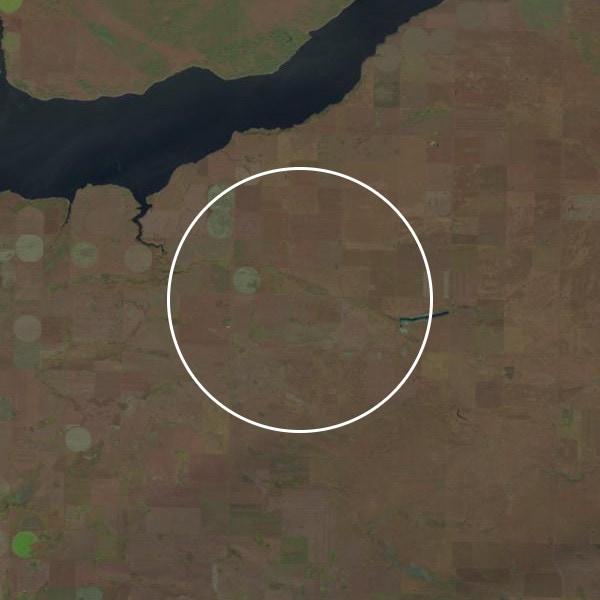
The Elbow crater is a buried impact structure located in Saskatchewan, Canada, measuring 8 kilometers in diameter. Its formation is estimated to have occurred approximately 395 million years ago during the Devonian Period. Although not visible on the surface due to younger sediment cover, its geological significance lies in its undisturbed nature for scientific study.
Key Facts
About Elbow
The Elbow crater is an impact structure located in Saskatchewan, Canada. Situated just north of the village of Riverhurst, this crater measures approximately 8 kilometers (5.0 miles) in diameter. Its formation is estimated to have occurred around 395 million years ago, during the Devonian Period.
Geological Context
Unlike many impact craters that are readily visible on the Earth's surface, the Elbow crater is entirely buried beneath younger sedimentary layers. This burial means it is not exposed, making its direct observation challenging. The age of the impact has been estimated with a margin of error, placing it at 395 ± 25 million years ago.
Significance
The buried nature of the Elbow crater can be advantageous for scientific study. Its preservation beneath overlying strata may offer insights into the impact process and the target geology with less alteration from surface erosion or weathering. Its existence contributes to the catalog of impact structures on Earth, aiding in understanding the frequency and effects of extraterrestrial impacts throughout geological history.
Source: Wikipedia ↗
Frequently Asked Questions
Where is the Elbow crater located?
The Elbow crater is situated in Saskatchewan, Canada, just north of the village of Riverhurst.
How large is the Elbow crater?
The crater has an estimated diameter of 8 kilometers, which is approximately 5.0 miles.
When was the Elbow crater formed?
The impact event that created the Elbow crater is estimated to have occurred around 395 million years ago, during the Devonian Period.
Can you see the Elbow crater on the surface?
No, the Elbow crater is not visible on the Earth's surface. It is buried beneath younger sediments that have accumulated over millions of years.
Related Impact Craters

Glasford
The Glasford crater, also known as the Glasford Disturbance, is a buried impact structure located in southern Peoria County, Illinois. Discovered in 1963, it is one of only two known meteor craters in Illinois and is significant for its potential connection to the Great Ordovician Meteor Shower and its possible influence on Earth's climate.
Boltysh
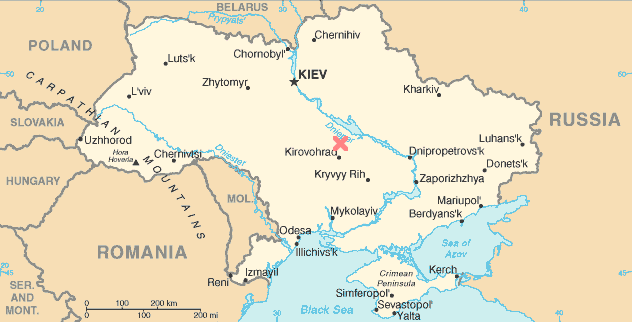
The Boltysh crater, also known as Bovtyshka, is a significant buried impact structure in Ukraine's Kirovohrad Oblast. With a diameter of 24 kilometers and an age of approximately 65.39 million years, it is notably close in age to the Chicxulub crater. While not believed to have caused major global environmental effects like Chicxulub, its discovery and dating have contributed to understanding impact events around the Cretaceous-Paleogene boundary.

Siljan Ring
The Siljan Ring is a large prehistoric impact structure located in central Sweden, and it is recognized as the largest impact crater in Europe. Formed by a meteorite impact during the Devonian period, the structure has significantly deformed the surrounding bedrock, which is rich in fossils. The area has also been a focus for prospecting for oil and natural gas.