
Siljan Ring
The Siljan Ring is a large prehistoric impact structure located in central Sweden, and it is recognized as the largest impact crater in Europe. Formed by a meteorite impact during the Devonian period, the structure has significantly deformed the surrounding bedrock, which is rich in fossils. The area has also been a focus for prospecting for oil and natural gas.
Key Facts
- ›The Siljan Ring is approximately 52 kilometers in diameter, making it the largest impact structure in Europe.
- ›The impact event occurred during the Devonian period, estimated to be around 377 million years ago.
- ›The impactor is estimated to have been a meteorite with a diameter of 5 km.
- ›The energy of the impact is calculated to have been 1.94 × 10^22 J.
- ›The structure is characterized by an annular outcrop of Lower Paleozoic sedimentary rocks within older Proterozoic granites.
- ›The area has been explored for oil and natural gas deposits, with ongoing research into microbial activity within the crater's fracture systems.

About Siljan Ring
The Siljan Ring is a significant prehistoric impact structure located in the Dalarna province of central Sweden. It stands as one of the largest known impact structures on Earth and holds the distinction of being the largest in Europe, with an impressive diameter of approximately 52 kilometers. This colossal crater was formed by the collision of a meteorite with the Earth's surface during the Devonian period, an event estimated to have occurred around 377 million years ago.
Geological Formation and Features
The impact that created the Siljan Ring was a cataclysmic event, with the impactor estimated to have been a meteorite about 5 kilometers in diameter, releasing an energy of 1.94 × 10^22 Joules. The immense force of this collision profoundly deformed the bedrock in the region. Geologically, the Siljan Ring is characterized by an annular outcrop of Lower Paleozoic sedimentary rocks, including limestones and shales, that are found within older Proterozoic granites of the Dala series. These sedimentary rocks are notable for their rich fossil content, offering insights into ancient life.
Glacial Influence and Modern Significance
During the last ice age, the area was covered by a thick ice sheet, which sculpted the bedrock. This glacial erosion preferentially removed the softer Palaeozoic sedimentary rocks, creating hollows that are now occupied by several lakes, including the largest, Lake Siljan, situated on the southern edge of the crater. The Siljan Ring has also been the subject of extensive prospecting for oil and natural gas, based on theories of abiogenic petroleum formation. While these ventures have not yet yielded commercially viable results, ongoing research continues to explore the potential of the subsurface, including the study of microbial communities within the crater's deep fracture systems.
Source: Wikipedia ↗
Frequently Asked Questions
What is the Siljan Ring?
The Siljan Ring is a prehistoric impact structure located in Dalarna, central Sweden. It is one of the largest known impact structures on Earth and the largest in Europe, with a diameter of about 52 kilometers.
When did the impact that created the Siljan Ring occur?
The impact that created the Siljan Ring occurred during the Devonian period. The exact timing has been estimated at approximately 377 million years ago.
What is the size of the Siljan Ring?
The Siljan Ring has a diameter of about 52 kilometers (32 miles), making it the largest impact structure in Europe.
What geological features are found at the Siljan Ring?
The Siljan Ring features an annular outcrop of Lower Paleozoic sedimentary rocks, including limestones and shales, which are deformed within older Proterozoic granites. These sedimentary rocks are rich in fossils.
Has oil and gas been found at the Siljan Ring?
The area around the Siljan Ring has been a site for prospecting for oil and natural gas. While significant deposits of lead and zinc are present, commercial viability for oil and gas has not yet been proven, though research into microbial methanogenesis continues.
What caused the Siljan Ring?
The Siljan Ring was created by the impact of a meteorite with Earth's surface during the Devonian period. The meteorite is estimated to have had a diameter of 5 km.
Related Impact Craters

Flynn Creek
The Flynn Creek crater, located in Jackson County, Tennessee, is a well-preserved impact structure formed approximately 360 million years ago. It is notable for its complex morphology, including a significant central uplift and folded rim strata, and its importance in understanding ancient impact events.
Elbow
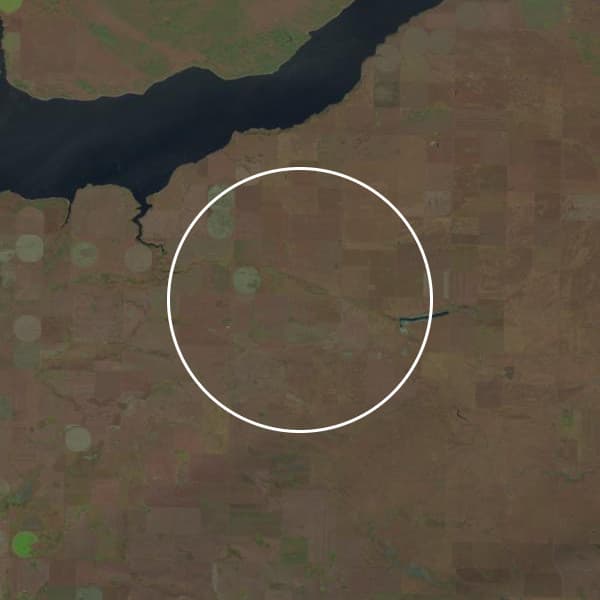
The Elbow crater is a buried impact structure located in Saskatchewan, Canada, measuring 8 kilometers in diameter. Its formation is estimated to have occurred approximately 395 million years ago during the Devonian Period. Although not visible on the surface due to younger sediment cover, its geological significance lies in its undisturbed nature for scientific study.

Nicholson
The Nicholson crater is a meteorite impact structure located in the Northwest Territories of Canada. It measures 12.5 kilometers in diameter and is estimated to be less than 400 million years old, dating back to the Devonian period or earlier. The crater is not visible on the surface due to erosion or burial.