
Kamensk
The Kamensk crater is a significant impact structure located in Rostov Oblast, Russia, approximately 10 to 15 kilometers north of Kamensk-Shakhtinsky town. With a diameter of 25 kilometers, its age is estimated to be around 49 million years old, dating back to the Eocene epoch. The crater is notable for being buried beneath the surface, making it invisible from ground level.
Key Facts
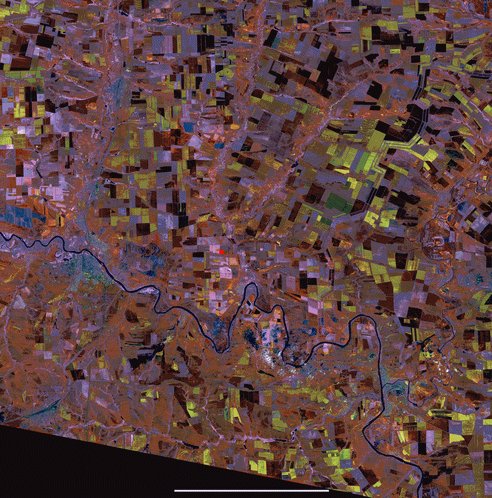
Gusev Crater
Kamensk Impact Glass
About Kamensk
Kamensk Crater
The Kamensk crater is an impact structure located in Rostov Oblast, Russia, approximately 10 to 15 kilometers to the north of Kamensk-Shakhtinsky town. This substantial crater measures 25 kilometers in diameter and is estimated to be 49.0 ± 0.2 million years old, dating its formation to the Eocene epoch.
Description and Significance
Unlike many impact craters that are visible on the Earth's surface, Kamensk is notable for being buried. Laser total-fusion analyses of the impact glass found at the site have provided precise age dating for the event. These analyses, weighted to a sanidine standard, suggest an age of 49.2 ± 0.1 million years. Further isotopic dating, using a reference age for hornblende standard MMhb-1, refines this age to 49.9 ± 0.1 million years old. The crater's buried nature means it is not readily observable from the surface, but its geological significance is recognized through scientific study of its remnant materials and structure.
Geological Context
The Kamensk crater is situated within the Cenozoic Era, specifically the Eocene period. There is speculation that Kamensk may have formed concurrently with the smaller and geographically proximate Gusev crater, suggesting a potential association between these impact events. The study of impact glasses from Kamensk provides valuable data for understanding Earth's impact history during this geological period.
Source: Wikipedia ↗
Frequently Asked Questions
Where is the Kamensk crater located?
The Kamensk crater is situated in Rostov Oblast, Russia. It is found about 10 to 15 kilometers north of the town of Kamensk-Shakhtinsky.
How large is the Kamensk crater?
The Kamensk crater has an estimated diameter of 25 kilometers (16 miles).
How old is the Kamensk crater?
The age of the Kamensk crater is estimated to be around 49.0 ± 0.2 million years old, placing it in the Eocene epoch.
Can the Kamensk crater be seen on the surface?
No, the Kamensk crater is not exposed at the surface. It is buried, making it invisible from ground level.
Is the Kamensk crater related to other impact structures?
It is suggested that the Kamensk crater may have formed at the same time as the smaller and nearby Gusev crater.
Related Impact Craters
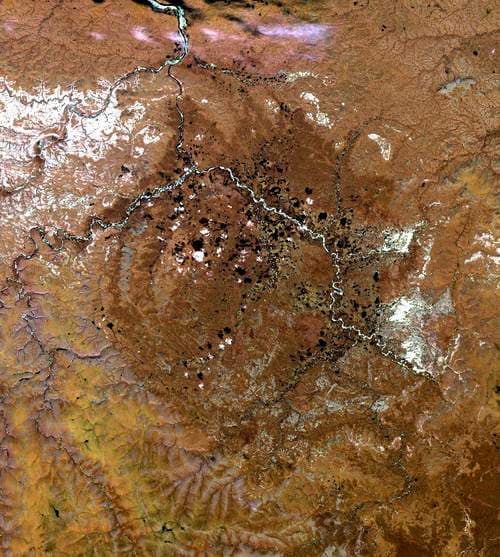
Popigai
The Popigai impact structure is a significantly eroded remnant of a massive impact crater located in northern Siberia, Russia. It is recognized as one of the largest verified impact structures on Earth, created by a large bolide approximately 35 million years ago. The impact event is notable for transforming graphite into diamonds within a significant radius, making it a site of immense geological interest.
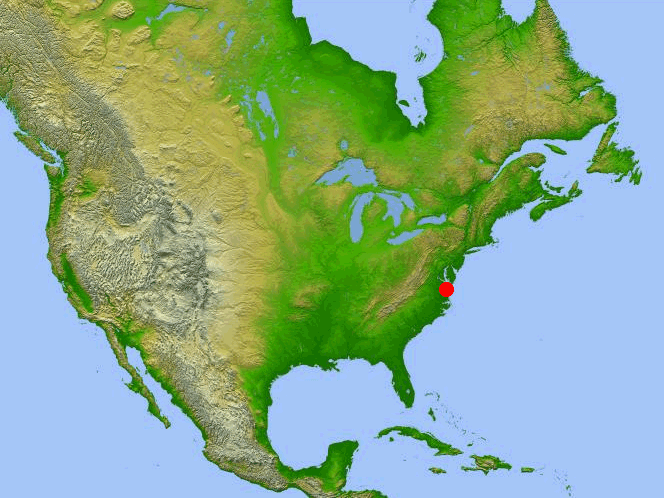
Chesapeake Bay
The Chesapeake Bay impact crater is a large, deeply buried structure located beneath the mouth of the Chesapeake Bay in the United States. Formed by a high-speed bolide impact approximately 35.5 million years ago, it is one of the best-preserved "wet-target" impact craters globally and has significantly influenced the region's geology, including the formation of the Chesapeake Bay itself.
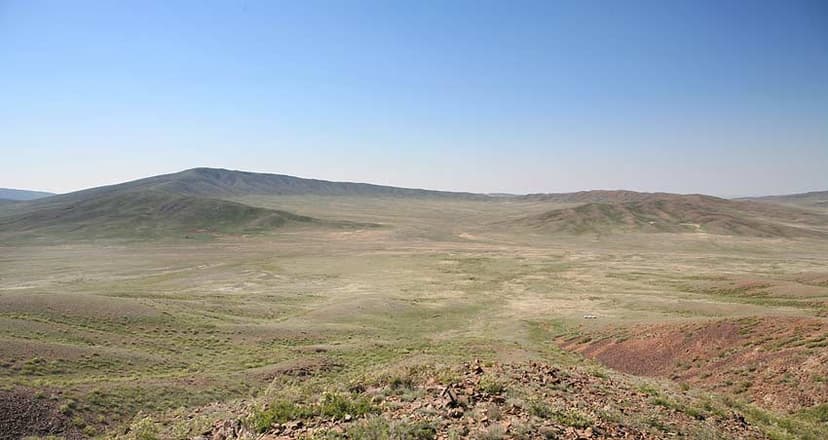
Shunak
Shunak is a meteorite impact crater located in the Qaraghandy Province of Kazakhstan. With a diameter of 2.8 kilometers, its age is estimated to be between 35 and 55 million years, dating back to the Eocene epoch. The crater is currently exposed on the Earth's surface.