
Popigai
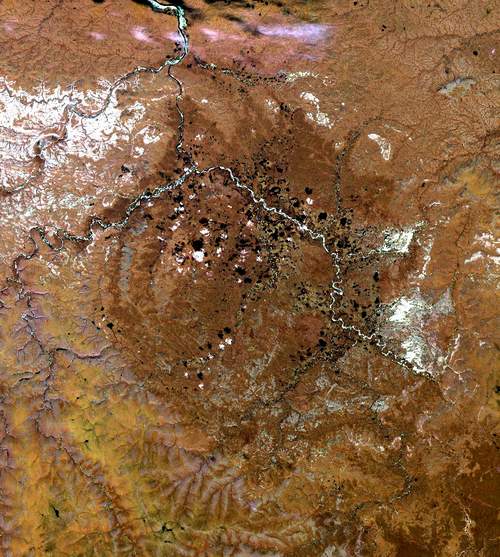
The Popigai impact structure is a significantly eroded remnant of a massive impact crater located in northern Siberia, Russia. It is recognized as one of the largest verified impact structures on Earth, created by a large bolide approximately 35 million years ago. The impact event is notable for transforming graphite into diamonds within a significant radius, making it a site of immense geological interest.
Key Facts
Acraman Impact Structure, Chesapeake Bay Impact Crater, Toms Canyon Impact Crater, Logancha Crater
Diamond, Lonsdaleite, Carbon Polymorphs
About Popigai
Popigai Impact Structure
The Popigai impact structure is the eroded remnant of a massive impact crater located in northern Siberia, Russia. This significant geological feature is recognized as the fourth largest verified impact structure on Earth, tied with the Acraman impact structure. The colossal impact event that formed it occurred approximately 35 million years ago, during the late Eocene epoch, and is attributed to a large bolide, suggested to have been an H chondrite asteroid several kilometers in diameter.
Geological Significance and Diamond Formation
For decades, the Popigai structure has been a subject of fascination for paleontologists and geologists. Its immense scientific value is underscored by the discovery of vast diamond deposits. The extreme shock pressures generated by the impact instantaneously transformed graphite present in the ground into diamonds within a radius of 13.6 km from the impact point. These unique "impact diamonds" often contain crystalline lonsdaleite, an allotrope of carbon that is exceptionally hard, and sometimes even harder carbon polymorphs. While these diamonds possess industrial potential, they are generally unsuitable as gems and have not been mined due to the site's remote location and lack of infrastructure, making them uncompetitive with synthetic diamonds.
Recognition and Research
The area was historically off-limits due to the diamond findings, but a major investigatory expedition in 1997 significantly advanced the understanding of the structure. The Popigai impact structure is now designated by UNESCO as a Geopark, highlighting its status as a site of special geological heritage. There is a small possibility that the formation of the Popigai crater may have occurred simultaneously with the approximately 35-million-year-old Chesapeake Bay and Toms Canyon impact craters, suggesting a potentially complex geological period.
Source: Wikipedia ↗
Frequently Asked Questions
What is the Popigai impact structure?
The Popigai impact structure is the eroded remnant of a large impact crater in northern Siberia, Russia. It is one of the largest verified impact structures on Earth and was created by a bolide impact about 35 million years ago.
How large is the Popigai crater?
The Popigai impact crater has a diameter of 100 kilometers (62 miles). It is tied with the Acraman impact structure as the fourth largest verified impact structure on Earth.
When did the Popigai impact occur?
The impact that created the Popigai structure occurred approximately 35 million years ago, during the late Eocene epoch, specifically the Priabonian stage.
What is significant about the Popigai impact?
The impact at Popigai is scientifically significant because the immense shock pressures instantly transformed graphite in the ground into diamonds within a 13.6 km radius of the impact point. It may also be linked to the Eocene–Oligocene extinction event.
Are the diamonds from Popigai mined?
The diamond deposits at Popigai have not been mined due to the remote location and lack of infrastructure. They are also unlikely to be competitive with industrially produced synthetic diamonds.
What types of diamonds are found at Popigai?
Many diamonds at Popigai contain crystalline lonsdaleite, a harder allotrope of carbon with a hexagonal lattice. Additionally, carbon polymorphs, a combination of diamond and lonsdaleite, have been discovered, which are even harder than pure lonsdaleite.
Related Impact Craters
Kamensk
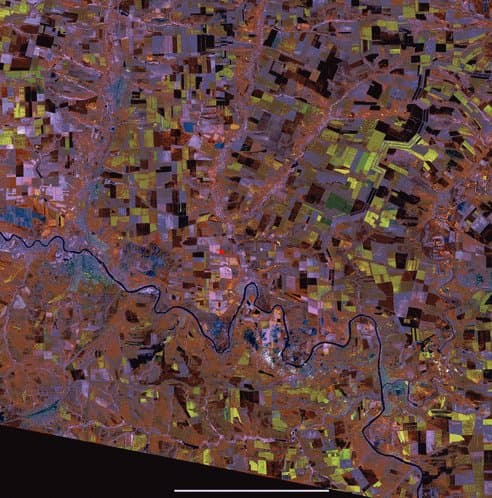
The Kamensk crater is a significant impact structure located in Rostov Oblast, Russia, approximately 10 to 15 kilometers north of Kamensk-Shakhtinsky town. With a diameter of 25 kilometers, its age is estimated to be around 49 million years old, dating back to the Eocene epoch. The crater is notable for being buried beneath the surface, making it invisible from ground level.
Glikson
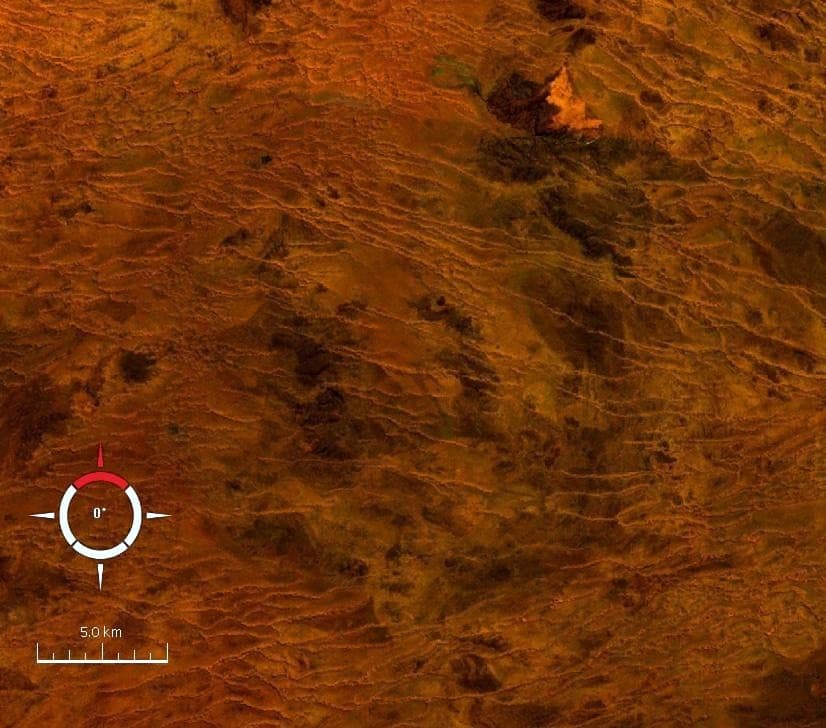
The Glikson crater is an eroded impact structure located in the Little Sandy Desert of central Western Australia. It is characterized by a prominent 14 km diameter ring-shaped aeromagnetic anomaly, with evidence of deformation extending to 19 km, suggesting this as the original crater diameter. The confirmation of shatter cones and microscopic shock effects provides reliable evidence for its impact origin.

Lawn Hill
The Lawn Hill crater is an eroded impact structure located in northwestern Queensland, Australia. Its existence was confirmed in 1987 with the discovery of shatter cones and shocked quartz, revealing an 18 km diameter ring of dolomite hills that marks the remnant of the original crater.