
Kara
Kara is a heavily eroded meteorite crater located in the Yugorsky Peninsula, Nenetsia, Russia. While its current diameter is estimated at 65 kilometers, it is believed to have originally been 120 kilometers before significant erosion. The impact event occurred approximately 70.3 million years ago during the Late Cretaceous period.
Key Facts
- ›Current diameter: 65 km
- ›Estimated original diameter: 120 km
- ›Age: 70.3 ± 2.2 million years old (Late Cretaceous)
- ›Location: Yugorsky Peninsula, Nenetsia, Russia
- ›Not exposed at the surface
- ›Considered one of the largest impact craters on Earth

Suevite
About Kara
Kara Crater
The Kara crater is a significant impact structure located in the Yugorsky Peninsula, within the Nenetsia region of Russia. This crater is notable for its substantial size and the degree to which it has been eroded over millions of years.
Geological Features and Age
The crater's current diameter is estimated at 65 kilometers. However, geological analysis suggests that before extensive erosion, it likely measured around 120 kilometers across. The impact event that formed Kara is dated to approximately 70.3 ± 2.2 million years ago, placing it within the Late Cretaceous epoch. Evidence from impactite outcrops found on the shore of the Baydarata Gulf indicates that the original size of the crater may have ranked it as the fourth largest on Earth, underscoring the magnitude of the celestial impact.
Visibility and Erosion
Despite its immense scale, the Kara crater is not readily visible on the Earth's surface due to heavy erosion. The former belief that the nearby Ust-Kara site represented a separate, twin impact structure has been revised; it is now understood that the Ust-Kara suevite outcrops are likely part of the larger Kara impact structure itself.
Source: Wikipedia ↗
Frequently Asked Questions
Where is the Kara crater located?
The Kara crater is situated in the Yugorsky Peninsula, within Nenetsia, Russia. It lies in the southeastern end of the peninsula.
How large is the Kara crater?
The Kara crater is currently measured to be 65 kilometers in diameter. However, it is thought to have originally spanned 120 kilometers before significant erosion.
When did the impact event that formed the Kara crater occur?
The impact event that formed the Kara crater is estimated to have occurred 70.3 million years ago, placing it in the Late Cretaceous geological period.
Is the Kara crater visible on the Earth's surface?
No, the Kara crater is not exposed at the surface. It has been heavily eroded, obscuring its original features from direct view.
What is the significance of the Kara crater's size?
Impactite outcrops found on the Baydarata Gulf shore suggest that the original size of the Kara crater could have made it the fourth largest on Earth, highlighting the immense scale of the impact event.
Related Impact Craters
Wetumpka
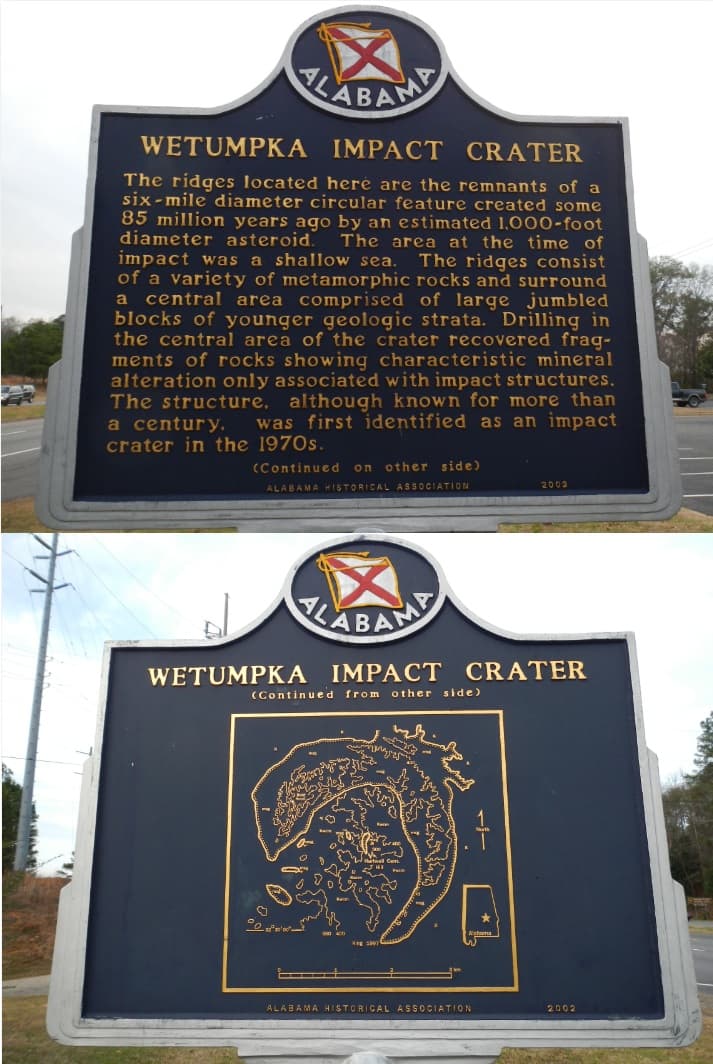
The Wetumpka impact crater is Alabama's sole confirmed impact structure, situated east of downtown Wetumpka in Elmore County. This significant geological feature, measuring 4.7 miles in diameter, is estimated to be approximately 85 million years old, dating back to the Late Cretaceous period. Its discovery and confirmation involved extensive geological mapping and the critical identification of shocked quartz.

Dellen
The Dellen lake system in Hälsingland, Sweden, is a prominent example of an impact crater. Formed approximately 89 million years ago during the Late Cretaceous period, the crater's impact created the unique geological formation known as Dellenite, which is now the provincial rock. The lake system itself is a popular destination for fly-fishermen, particularly for its brown trout population.
Lappajärvi
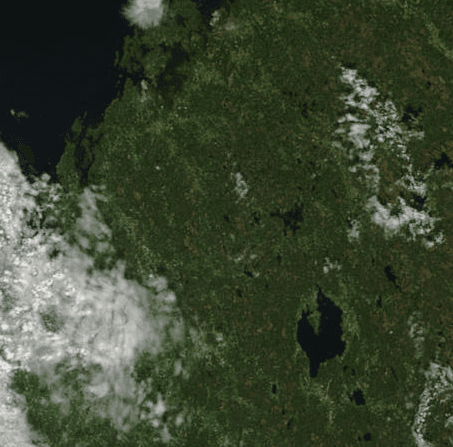
The Lappajärvi impact structure is a large, partly eroded meteorite crater in Finland, now occupied by a lake of the same name. It is one of the largest and youngest impact craters in Finland and is significant for scientific research, including projections for future landscapes. The area has also been recognized with a UNESCO Global Geopark application.