
Lappajärvi
The Lappajärvi impact structure is a large, partly eroded meteorite crater in Finland, now occupied by a lake of the same name. It is one of the largest and youngest impact craters in Finland and is significant for scientific research, including projections for future landscapes. The area has also been recognized with a UNESCO Global Geopark application.
Key Facts
- ›Lappajärvi is a lake formed within a 23 km wide meteorite impact crater.
- ›The impact event occurred approximately 77.85 ± 0.78 million years ago, during the Late Cretaceous epoch.
- ›The crater's diameter is estimated to be 22-23 kilometers, with an initial depth of 750 meters.
- ›The impact was caused by an asteroid approximately 1.6 kilometers in size.
- ›Key impact-related rocks and minerals found include impactite (kärnäite), breccia, suevite, impact diamonds, coesite, and shocked quartz.
- ›The Lappajärvi area has been recognized with a UNESCO Global Geopark application.
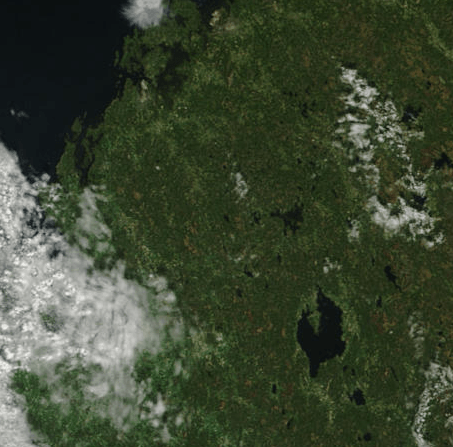
Iso-RäYrinki Lake
Breccia, Suevite, Impact Diamonds, Coesite, KäRnäIte
About Lappajärvi
Lappajärvi Impact Structure
The Lappajärvi impact structure is a significant geological feature in Finland, formed by a meteorite impact that created a crater now largely filled by the lake of the same name. Situated within the municipalities of Lappajärvi, Alajärvi, and Vimpeli, it is one of the largest and youngest impact craters discovered in the country. The structure is notable for its scientific research value, including its use in projecting future landscape changes in Finland.
Impact Crater Details
The Lappajärvi impact event is estimated to have occurred approximately 77.85 million years ago, during the Campanian age of the Late Cretaceous epoch. The impactor was an asteroid estimated to be about 1.6 kilometers in diameter, resulting in a crater with an original diameter of 22 to 23 kilometers and an initial depth of 750 meters. Over time, the crater has been partially eroded, and the lake has formed within its basin.
Discovery and Confirmation
While early geological observations in the 19th century suggested volcanic activity, the recognition of Lappajärvi as a meteorite impact crater began in the late 1960s. Key evidence came from the observation of fragmented quartz in impactite (locally named kärnäite) found on Kärnänsaari island, and the discovery of suevite and coesite. Definitive confirmation of the impact origin was established through Martti Lehtinen's research in the late 1960s and early 1970s, culminating in his 1976 doctoral dissertation, which presented evidence of quartz transformations inconsistent with volcanic processes. Age determinations, including argon-argon dating and uranium-lead dating, have consistently supported its Late Cretaceous age.
Geological Significance and Features
The impact structure has yielded various impact-related materials, including kärnäite, breccia, suevite, impact diamonds, and minerals like coesite. Kärnänsaari island is thought to be a central uplift or an erosional remnant, while the southeastern edge of the crater is marked by elevated areas such as Lakeaharju and Pyhävuori. The shattered bedrock has created favorable groundwater zones. In recognition of its scientific importance, the Lappajärvi area's "Impact Crater Lake" Geopark application was accepted by UNESCO in 2023, with potential for Geopark status.
Source: Wikipedia ↗
Frequently Asked Questions
What is the Lappajärvi impact structure?
The Lappajärvi impact structure is a geological formation in Finland, created by a meteorite impact. It is now largely submerged by the lake known as Lappajärvi, which occupies the crater.
How old is the Lappajärvi impact crater?
The Lappajärvi impact structure is estimated to be approximately 77.85 ± 0.78 million years old. This age places the impact event during the Campanian age of the Late Cretaceous period.
What is the size of the Lappajärvi impact crater?
The diameter of the Lappajärvi impact crater is estimated to be between 22 and 23 kilometers. The initial depth of the crater is believed to have been around 750 meters.
What caused the Lappajärvi impact?
The impact was caused by an asteroid estimated to be about 1.6 kilometers in size. This asteroid is thought to have been a common H-type chondrite.
What kinds of rocks and minerals are found at Lappajärvi?
Various impact-related materials have been discovered, including impactite known as kärnäite, breccia, suevite, impact diamonds, and minerals such as coesite. Shocked quartz has also been identified.
When was the Lappajärvi impact crater discovered?
While early geological observations were made in the 19th century and the lake was initially thought to be volcanic, the meteorite impact theory gained traction in the late 1960s. Nils-Bertil Svensson's observations published in 1968 and Martti Lehtinen's investigations in 1967-1969 provided key evidence, with the meteorite origin being definitively confirmed by Lehtinen's 1976 doctoral dissertation.
Is the Lappajärvi impact crater visible today?
Much of the impact structure is occupied by Lake Lappajärvi. However, parts of the crater's rim are still visible as elevated areas like Lakeaharju and Pyhävuori, and an island, Kärnänsaari, is located in the lake's center.
Related Impact Craters

Dellen
The Dellen lake system in Hälsingland, Sweden, is a prominent example of an impact crater. Formed approximately 89 million years ago during the Late Cretaceous period, the crater's impact created the unique geological formation known as Dellenite, which is now the provincial rock. The lake system itself is a popular destination for fly-fishermen, particularly for its brown trout population.

Kara
Kara is a heavily eroded meteorite crater located in the Yugorsky Peninsula, Nenetsia, Russia. While its current diameter is estimated at 65 kilometers, it is believed to have originally been 120 kilometers before significant erosion. The impact event occurred approximately 70.3 million years ago during the Late Cretaceous period.
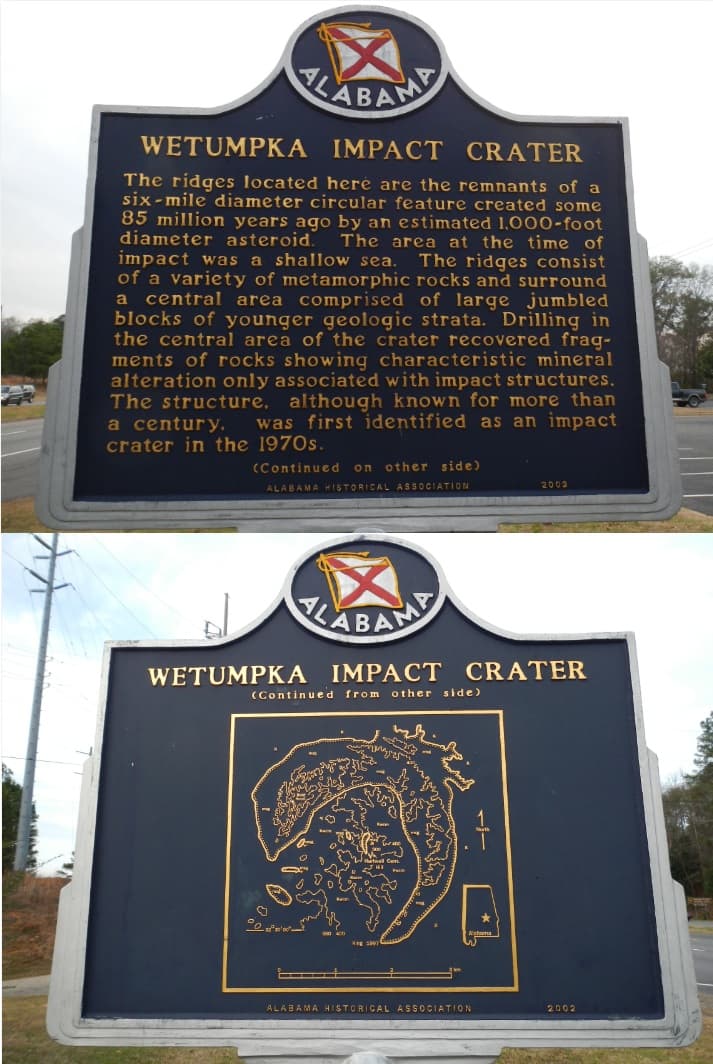
Wetumpka
The Wetumpka impact crater is Alabama's sole confirmed impact structure, situated east of downtown Wetumpka in Elmore County. This significant geological feature, measuring 4.7 miles in diameter, is estimated to be approximately 85 million years old, dating back to the Late Cretaceous period. Its discovery and confirmation involved extensive geological mapping and the critical identification of shocked quartz.