
Wetumpka
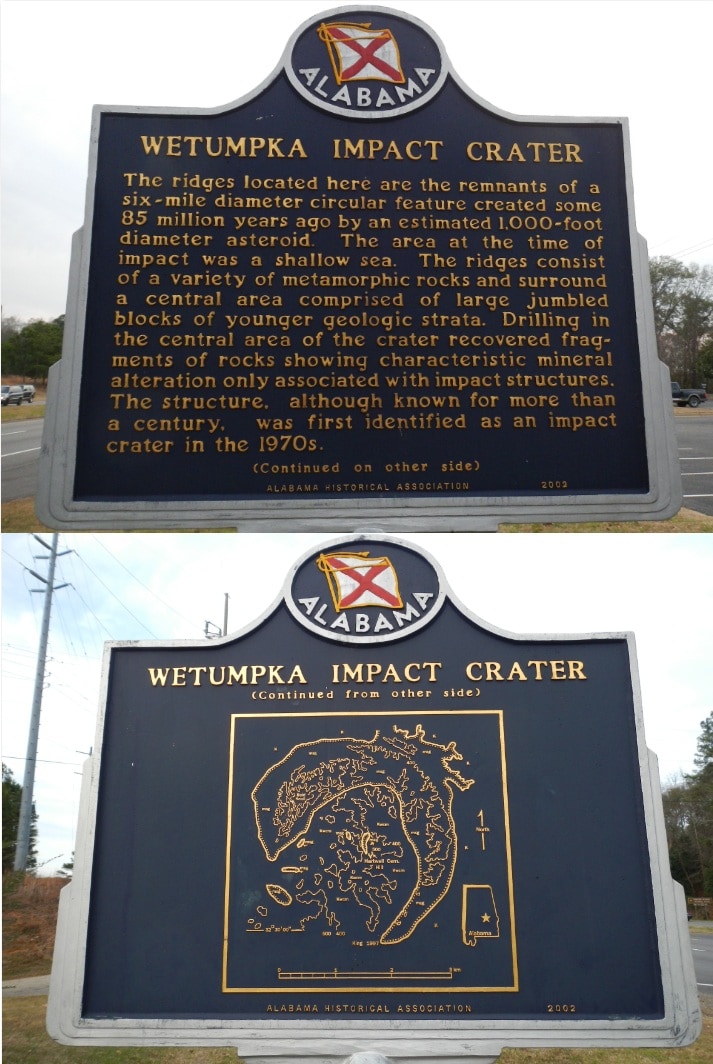
The Wetumpka impact crater is Alabama's sole confirmed impact structure, situated east of downtown Wetumpka in Elmore County. This significant geological feature, measuring 4.7 miles in diameter, is estimated to be approximately 85 million years old, dating back to the Late Cretaceous period. Its discovery and confirmation involved extensive geological mapping and the critical identification of shocked quartz.
Key Facts
- ›Diameter: 4.7 miles (7.6 km)
- ›Age: Approximately 85 million years old
- ›Geological Period: Late Cretaceous
- ›Location: Elmore County, Alabama, United States
- ›Discovered: 1969-1970 by Thornton L. Neathery
- ›Confirmed: 1998 with the discovery of shocked quartz
Shocked Quartz
About Wetumpka
Wetumpka Impact Crater
The Wetumpka impact crater is a significant geological site located in Elmore County, Alabama, United States. It holds the distinction of being the only confirmed impact crater within the state. Situated east of downtown Wetumpka, this structure offers a glimpse into a dramatic ancient event.
Geological Context and Discovery
Estimated to be around 85 million years old, the Wetumpka impact crater dates back to the Late Cretaceous period. This age is determined by fossils found within the youngest disturbed deposits, specifically those belonging to the Mooreville Chalk Formation. The crater spans approximately 4.7 miles (7.6 km) in diameter. Its existence was first noted in 1969–70 by Thornton L. Neathery during regional geological mapping, with the initial scientific publication on the subject appearing in 1976.
Confirmation and Research
While Neathery's discovery laid the groundwork, definitive proof of an impact origin eluded researchers until 1998. In that year, David T. King, Jr. and his colleagues identified shocked quartz in a core sample extracted near the crater's center. This crucial finding provided conclusive evidence. Further research and publications by Auburn University researchers in 2002 solidified the Wetumpka site's status as an internationally recognized impact crater.
Impact Event Details
The celestial body responsible for the Wetumpka crater is estimated to have been a meteorite approximately 1,100 feet in diameter. The impact likely occurred at a shallow angle, between 30 and 45 degrees, from the northeast. At the time of the impact, the region was submerged under a shallow sea, with depths ranging from 300 to 400 feet. Although the crater is considered well-preserved, with remnants of the original impact rim and breccia present, exposures are infrequent due to plant and soil cover, with most accessible areas located on private land.
Source: Wikipedia ↗
Frequently Asked Questions
Where is the Wetumpka impact crater located?
The Wetumpka impact crater is located east of downtown Wetumpka in Elmore County, Alabama, United States. It is the only confirmed impact crater in the state of Alabama.
How large is the Wetumpka impact crater?
The Wetumpka impact crater has an estimated diameter of 4.7 miles, which is equivalent to 7.6 kilometers. The meteorite that created it was approximately 1,100 feet in diameter.
When did the Wetumpka impact event occur?
The impact event that formed the Wetumpka crater is estimated to have occurred about 85 million years ago. This places the event in the Late Cretaceous geological period.
How was the Wetumpka impact crater discovered and confirmed?
Thornton L. Neathery discovered the crater in 1969-1970. Conclusive evidence of its impact origin was lacking until 1998 when shocked quartz was found, and it was officially established as an internationally recognized impact crater in 2002.
What was the environment like when the Wetumpka impact occurred?
At the time of the impact, the area was a shallow sea, approximately 300 to 400 feet deep. The meteorite is thought to have impacted at a 30-45 degree angle from the northeast.
Related Impact Craters

Kara
Kara is a heavily eroded meteorite crater located in the Yugorsky Peninsula, Nenetsia, Russia. While its current diameter is estimated at 65 kilometers, it is believed to have originally been 120 kilometers before significant erosion. The impact event occurred approximately 70.3 million years ago during the Late Cretaceous period.

Dellen
The Dellen lake system in Hälsingland, Sweden, is a prominent example of an impact crater. Formed approximately 89 million years ago during the Late Cretaceous period, the crater's impact created the unique geological formation known as Dellenite, which is now the provincial rock. The lake system itself is a popular destination for fly-fishermen, particularly for its brown trout population.
Lappajärvi
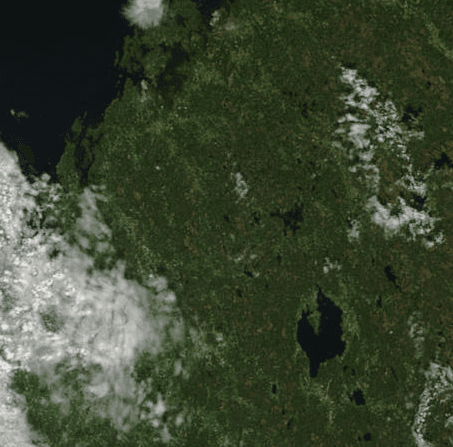
The Lappajärvi impact structure is a large, partly eroded meteorite crater in Finland, now occupied by a lake of the same name. It is one of the largest and youngest impact craters in Finland and is significant for scientific research, including projections for future landscapes. The area has also been recognized with a UNESCO Global Geopark application.