
Karakul
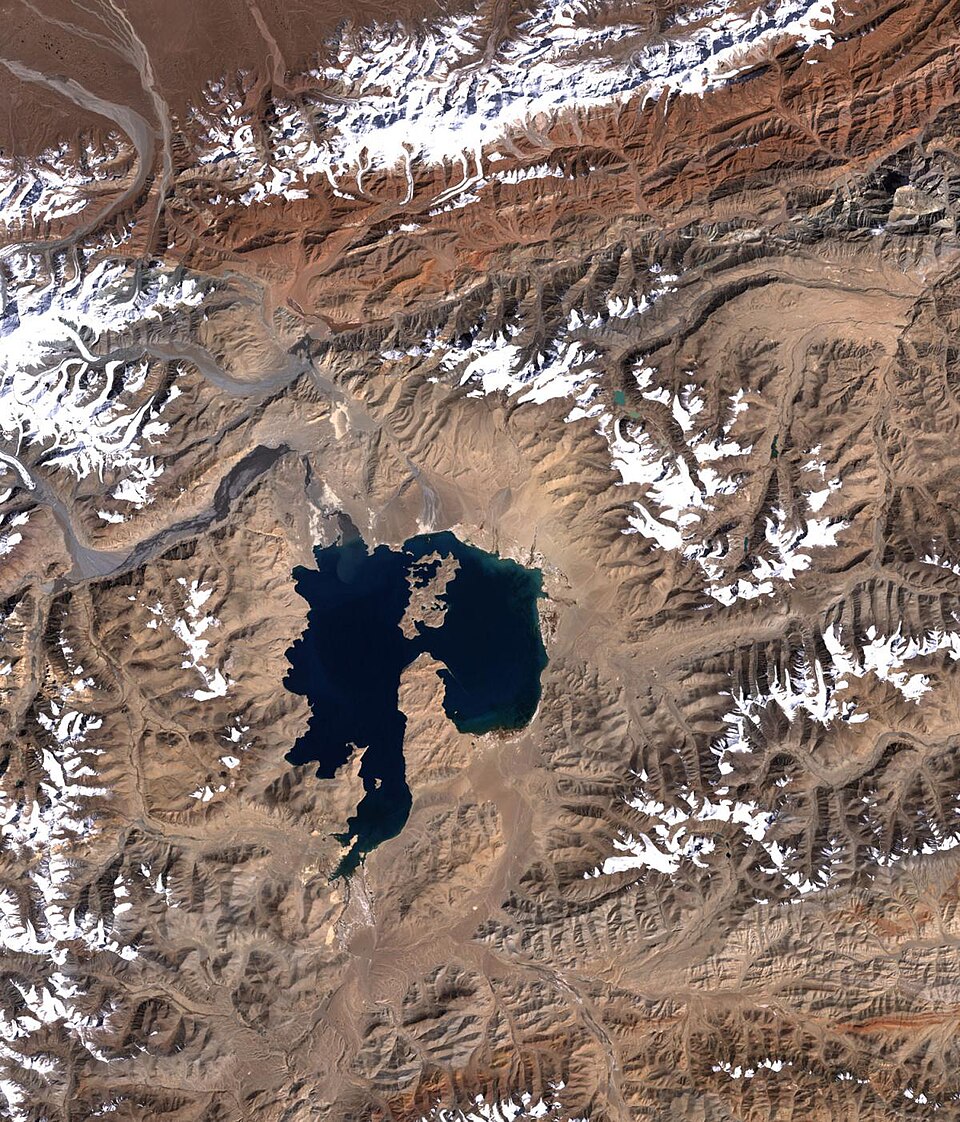
Karakul is a large endorheic lake located within a 52 km impact crater in the Pamir Mountains of Tajikistan. The crater's age is estimated to be between 5 million and 25 million years old, and it is notable for its significant size and the unique ecological importance of the lake it contains.
Key Facts
- ›Karakul impact crater has a rim diameter of 52 km.
- ›The lake within the crater is 25 km in diameter.
- ›Estimated age of the impact is between 2.6 and 25 million years old.
- ›The crater was identified around 1987 through satellite imagery.
- ›The lake is located at an elevation of 3,960 meters above sea level.
- ›Karakul is an Important Bird Area supporting significant bird populations.
About Karakul
Karakul Impact Crater
Karakul is a prominent impact structure located in the Pamir Mountains of Tajikistan. The crater's most striking feature is the endorheic lake, also named Karakul, which occupies its center. This lake, roughly 25 km in diameter, lies within a much larger circular depression interpreted as an impact crater with a rim diameter of approximately 52 km.
Geological Significance
The Karakul impact structure is significant for its size and its relatively recent formation. While precise dating remains a subject of study, estimates place its age between 2.6 and 25 million years ago. Some researchers suggest it may have occurred during the Pliocene epoch, and its size makes it larger than other notable late Pliocene impacts like the Eltanin impact, which has been linked to Northern Hemisphere cooling.
Discovery and Environment
The Karakul impact structure was identified around 1987 through the analysis of satellite imagery. The lake itself is situated at a high elevation of 3,960 meters above sea level. Despite its harsh, saline environment, Karakul and its surroundings are recognized as an Important Bird Area, supporting a variety of bird species. The lake's unique ecosystem includes a single fish species, Triplophysa lacusnigri. The elevation and unique setting of Karakul have also made it a venue for high-altitude sailing events, such as the Roof of the World Regatta.
Source: Wikipedia ↗
Frequently Asked Questions
What is Karakul?
Karakul is an endorheic lake situated within a large impact crater in the Pamir Mountains of Tajikistan. The lake itself is 25 km in diameter, and it lies within a circular depression interpreted as an impact structure with a rim diameter of 52 km.
How old is the Karakul impact crater?
Estimates for the age of the Karakul impact crater vary, with some preliminary dating suggesting it is between 25 and 23 million years old. Other estimates place its origin in the Pliocene epoch, between 5.3 and 2.6 million years ago, and the Earth Impact Database lists it as younger than 5 million years.
Where is Karakul located?
Karakul is located in the Tajik National Park, within the Pamir Mountains of Tajikistan. The lake and its surrounding crater are situated at a high elevation of 3,960 meters above sea level.
What is significant about the Karakul lake?
The lake is endorheic, meaning it has no natural drainage outlet, and its water is brackish. It is divided into two basins of differing depths by a peninsula and an island. Karakul is also identified as an Important Bird Area due to the significant populations of various bird species it supports.
When was the Karakul impact crater discovered?
The Karakul impact structure was first identified around 1987. This recognition came about through studies of imagery that had been taken from space.
Related Impact Craters
El'gygytgyn
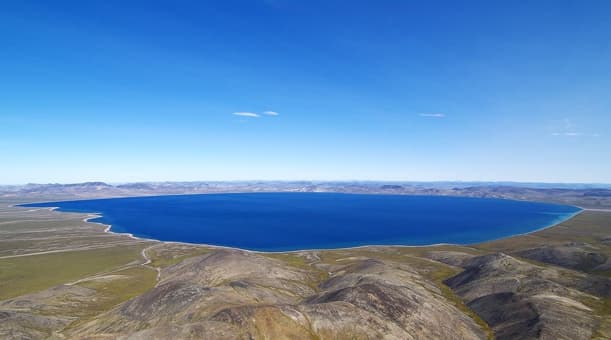
Lake Elgygytgyn is an ancient impact crater lake located in Siberia, Russia, renowned for its undisturbed sediment record that provides invaluable insights into prehistoric climate change. Its unique geological history and the presence of endemic fish species make it a significant site for scientific research.

Roter Kamm
Roter Kamm is a confirmed impact crater located in the Namib Desert of Namibia. With a diameter of 2.5 kilometers, it is estimated to have formed approximately 4.81 million years ago during the Pliocene epoch. The crater is notable for its exposed surface, which is significantly covered by sand deposits, and for the unusual breccias found within its basement rocks, suggesting complex post-impact geological processes.
Aouelloul
Aouelloul is a well-preserved impact crater located in the Akchar Desert region of Mauritania. This roughly circular crater, measuring 390 meters in diameter, is geologically significant due to the presence of tektites and its estimated age of 3.1 million years.