
Liverpool
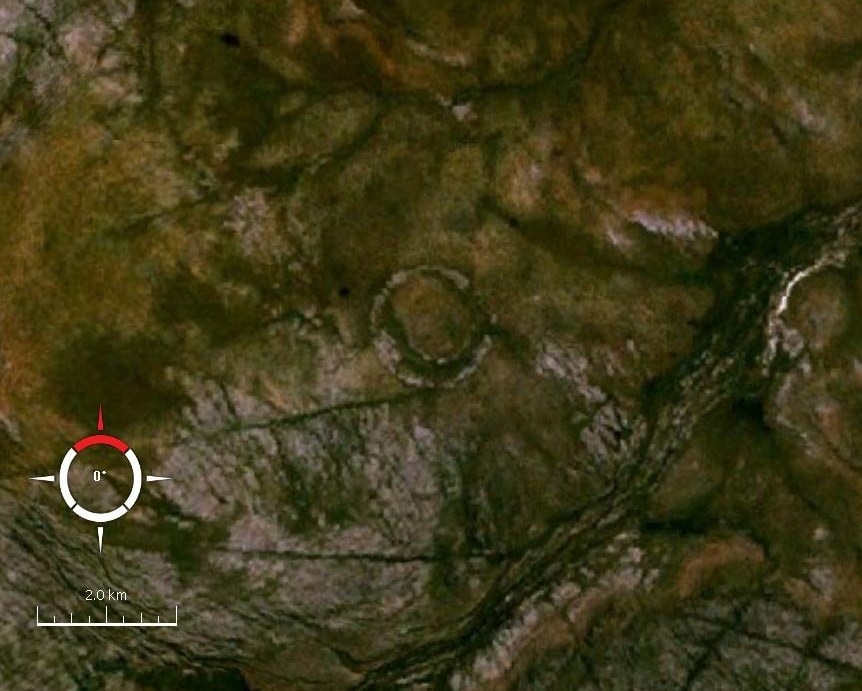
The Liverpool impact crater, also known as Yingundji by local Aboriginal people, is located in Arnhem Land, Northern Territory, Australia. It is a well-preserved, near-circular structure with a raised rim, first recognized by geologists in the 1960s and confirmed as an impact site in 1970. The crater's geological features and the discovery of shocked quartz provide strong evidence for its extraterrestrial origin.
Key Facts
- ›Located in Arnhem Land, Northern Territory, Australia.
- ›Has a raised, near-circular rim approximately 1.6 km in diameter.
- ›First noticed by geologists in the 1960s, confirmed as an impact crater in 1970.
- ›Evidence for impact origin includes geological structure and shocked quartz.
- ›Inferred to be of Neoproterozoic age, possibly forming between 1000 and 543 million years ago.
- ›The impact is suggested to have been oblique from the southwest.
Shocked Quartz
About Liverpool
Liverpool Impact Crater
The Liverpool impact crater, also known by its Aboriginal name Yingundji, is a significant geological feature located in the remote Arnhem Land region of the Northern Territory, Australia. Named after the nearby Liverpool River, this crater is characterized by a distinct raised, near-circular rim measuring approximately 1.6 kilometers in diameter. Its discovery by geologists occurred during reconnaissance mapping in the 1960s, with its impact origin being scientifically confirmed through further detailed studies in 1970.
Geological Description and Age
The crater is situated within flat-lying Paleoproterozoic sandstone of the McArthur Basin. The impact event caused fracturing and brecciation of this sandstone, forming the crater's rim. Younger, non-deformed sandstone, deposited after the impact, is exposed in the crater's center. The crater's preservation suggests it was likely buried by younger sedimentary rock soon after its formation, with much of this infill now eroded except in the central area. While early estimates, based on the infilling sandstone, suggested a Cretaceous age, more recent research points to a Neoproterozoic origin, placing its formation sometime between 1000 and 543 million years ago.
Evidence of Impact and Cultural Significance
No meteorite fragments have been recovered from the site, which is attributed to its great age and subsequent weathering. However, strong evidence supporting an impact origin includes the crater's geological structure and the discovery of shocked quartz. The crater is not perfectly circular, exhibiting a slight elongation, and its asymmetric internal structure suggests an oblique impact from the southwest. Culturally, the crater holds significance for the Aboriginal people of Western Arnhem Land, who call it Yingundji and associate it with the nesting place of a giant catfish, a motif reflected in pictographs found within the crater.
Source: Wikipedia ↗
Frequently Asked Questions
Where is the Liverpool impact crater located?
The Liverpool impact crater is situated in Arnhem Land within the Northern Territory of Australia. It is a remote location, named after the nearby Liverpool River.
What is the size of the Liverpool crater?
The crater has a raised, near-circular rim that averages about 1.6 kilometers in diameter. It is not perfectly circular, being about 6% broader in a northeast-southwest direction.
When was the Liverpool crater discovered and confirmed?
Geologists first noticed the crater during geological mapping in the 1960s. Its origin as an impact crater was not confirmed until a more detailed study was conducted in 1970.
What evidence supports the Liverpool crater being an impact site?
Evidence supporting an impact origin includes the crater's geological structure and the discovery of shocked quartz. The internal structure also suggests an oblique impact from the southwest.
What is the estimated age of the Liverpool impact crater?
While older literature suggested a Cretaceous age due to infilling rock, more recent studies indicate the crater likely formed during the Neoproterozoic era, between 1000 and 543 million years ago.
Does the Liverpool crater have any cultural significance?
Yes, the Aboriginal people of Western Arnhem Land refer to the Liverpool crater as Yingundji and associate it with the nest of a giant catfish. Pictographs of giant catfish are found on rock shelter walls within the crater.
Related Impact Craters
Cleanskin
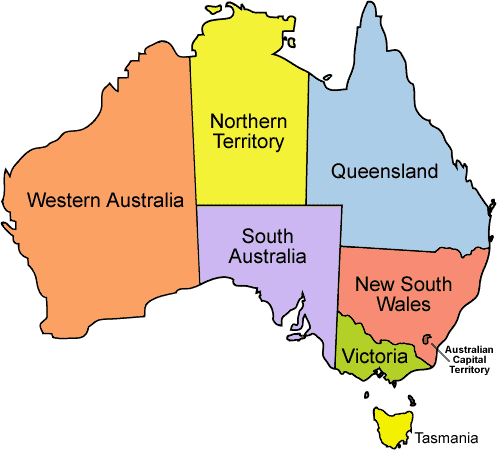
The Cleanskin crater is an eroded impact structure in Australia, straddling the border between the Northern Territory and Queensland. With a diameter of 15 kilometers, its polygonal shape is attributed to pre-existing regional faults. The crater formed during the late Mesoproterozoic to Neoproterozoic eras and became eroded and buried by the Cambrian and Cretaceous periods respectively.

Shoemaker
The Shoemaker impact structure, formerly known as Teague Ring, is the eroded remnant of a significant impact crater located in central Western Australia. Named in honor of planetary geologist Eugene Shoemaker, its prominent ring-like feature is visible in satellite imagery and lies on the boundary of the Earaheedy Basin and the Yilgarn craton.
Foelsche
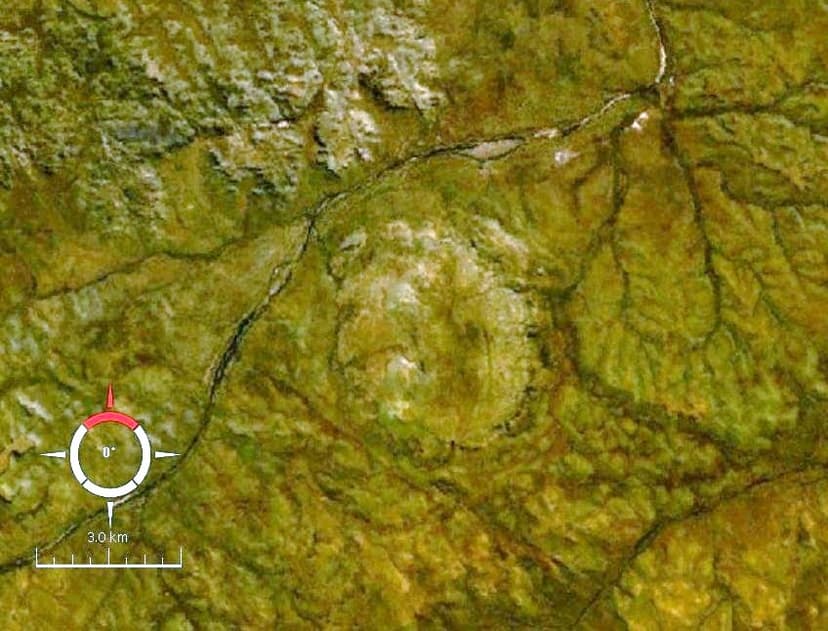
Foelsche is a largely buried impact structure in Australia's Northern Territory, named after the nearby Foelsche River. Its circular nature is evident on aeromagnetic images, leading to its discovery despite minimal surface exposure. The impact occurred into ancient sedimentary rocks, with remnants of the crater rim found around a Neoproterozoic sedimentary hill that partly covers the structure.