
Logoisk
The Logoisk crater, also known as the Logoisk astrobleme, is a significant impact structure located in Belarus near the city of Lahoysk. This Eocene-era crater, estimated to be 42.3 million years old, has a diameter of 15 kilometers and is not visible on the surface, having been discovered through geological drilling.
Key Facts
- ›Diameter: 15 kilometers
- ›Age: Approximately 42.3 ± 1.1 million years old (Eocene)
- ›Location: near the city of Lahoysk, Belarus
- ›Discovery: Accidental discovery during drilling in the 1970s
- ›Visibility: not exposed at the surface
- ›Morphology: Implied to be a complex crater due to its size and breccia layer
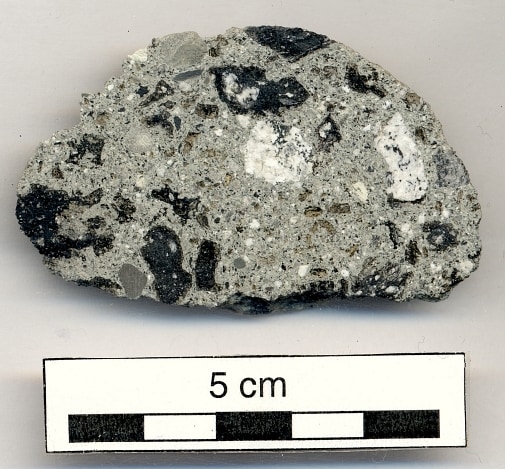
About Logoisk
Logoisk Crater
The Logoisk crater, also referred to as the Logoisk astrobleme, is a significant impact structure located in Belarus. Discovered accidentally in the 1970s through geological drilling near the village of Kuzevichi, its presence was initially indicated by atypical materials and an unusual sequence of rock layers.
Geological Characteristics
Subsequent drillings confirmed the meteorite origin of the anomaly. The crater is estimated to be 15 kilometers in diameter and is approximately 42.3 ± 1.1 million years old, placing its formation in the Eocene epoch of the Cenozoic Era. Notably, the Logoisk crater is not exposed at the surface, meaning its features are primarily understood through subsurface geological data. The drilling revealed Quaternary deposits overlying a substantial layer of breccias, rocks previously undocumented in the region's geology, which strongly supported the impact hypothesis.
Research and Significance
Intensive research following its discovery has mapped the extent of the crater. There was a suggestion that the crater might contain diamonds formed under the high pressure and temperature of the impact, but this remains unconfirmed. The Logoisk crater is of geological interest for understanding impact processes and the geological history of the region. Its significant subsurface features make it a valuable site for scientific study, despite its lack of surface visibility.
Source: Wikipedia ↗
Frequently Asked Questions
Where is the Logoisk crater located?
The Logoisk crater is located in Belarus, near the city of Lahoysk. It is also referred to as the Logoisk astrobleme.
How large is the Logoisk crater?
The Logoisk crater has an estimated diameter of 15 kilometers (9.3 miles).
When did the impact event that formed the Logoisk crater occur?
The impact event is estimated to have occurred approximately 42.3 ± 1.1 million years ago, during the Eocene geological epoch.
How was the Logoisk crater discovered?
The crater was discovered accidentally in the 1970s during routine exploration drilling near the village of Kuzevichi. The drilling encountered atypical materials and an unusual sequence of geological layers, leading to further investigation.
Is the Logoisk crater visible on the surface?
No, the Logoisk crater is not exposed at the surface. Its presence is known through subsurface geological data obtained from drilling.
What geological evidence was found at the Logoisk site?
Drilling revealed Quaternary deposits followed by thick layers of clays, lacustrine sediments, and breccias. These breccias were previously unseen in the geology of Belarus and provided strong evidence for a meteorite impact origin.
Related Impact Craters
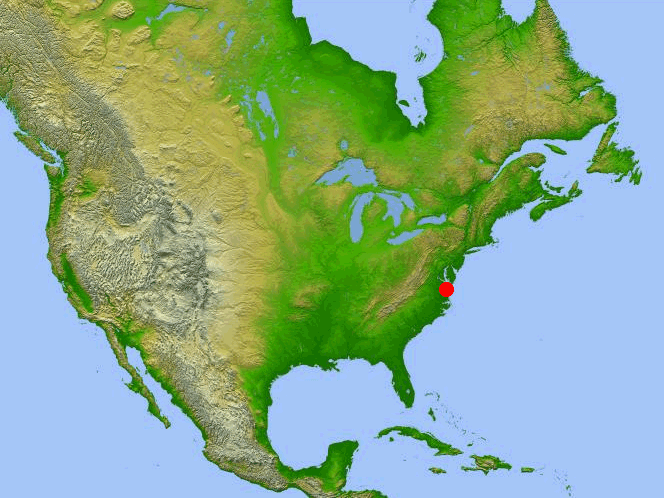
Chesapeake Bay
The Chesapeake Bay impact crater is a large, deeply buried structure located beneath the mouth of the Chesapeake Bay in the United States. Formed by a high-speed bolide impact approximately 35.5 million years ago, it is one of the best-preserved "wet-target" impact craters globally and has significantly influenced the region's geology, including the formation of the Chesapeake Bay itself.
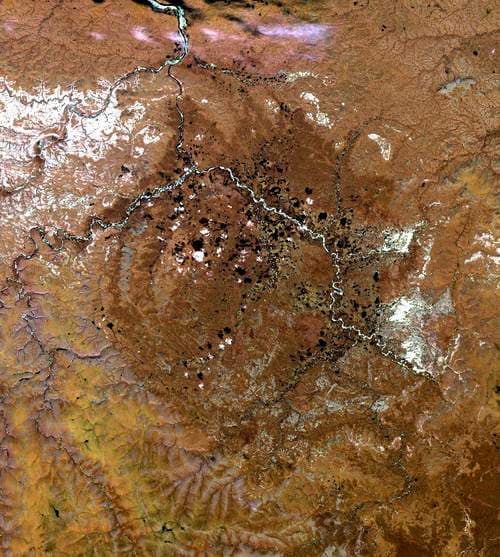
Popigai
The Popigai impact structure is a significantly eroded remnant of a massive impact crater located in northern Siberia, Russia. It is recognized as one of the largest verified impact structures on Earth, created by a large bolide approximately 35 million years ago. The impact event is notable for transforming graphite into diamonds within a significant radius, making it a site of immense geological interest.
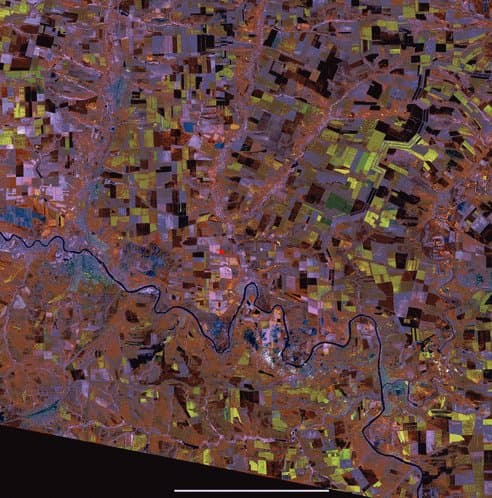
Kamensk
The Kamensk crater is a significant impact structure located in Rostov Oblast, Russia, approximately 10 to 15 kilometers north of Kamensk-Shakhtinsky town. With a diameter of 25 kilometers, its age is estimated to be around 49 million years old, dating back to the Eocene epoch. The crater is notable for being buried beneath the surface, making it invisible from ground level.