
Steinheim
The Steinheim crater, located in Baden-Württemberg, Germany, is a significant impact structure with a diameter of 3.8 km. Estimated to be around 14.3 million years old, it is situated near the larger Nördlinger Ries crater, with recent studies suggesting a potential age difference between the two.
Key Facts
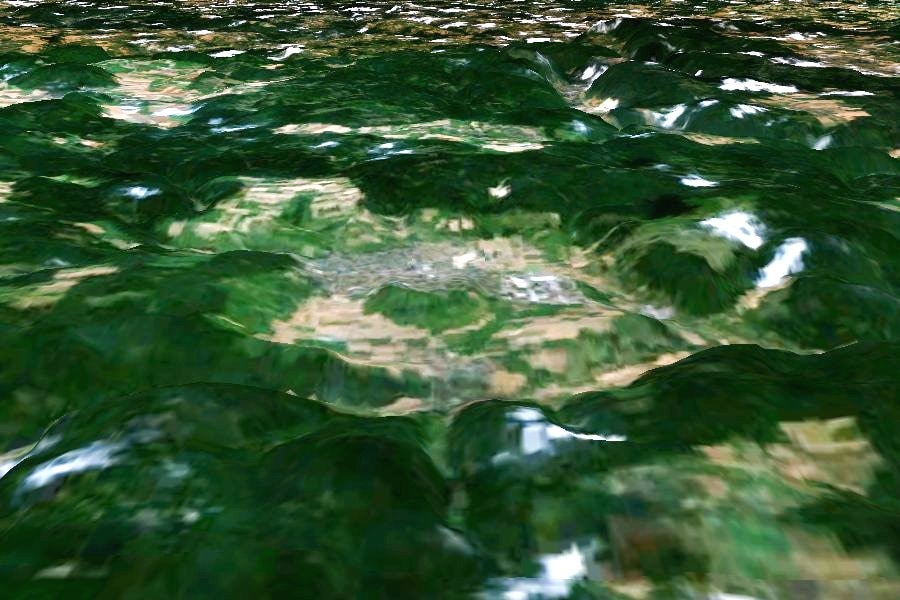
NöRdlinger Ries Crater
About Steinheim
Steinheim Crater
The Steinheim crater is an impact structure located in Steinheim am Albuch, Heidenheim County, within the state of Baden-Württemberg, Germany. Situated at the northeastern edge of the Swabian Alb, it is a significant geological feature approximately 40 kilometers west of the larger Nördlinger Ries crater.
Key Features
The Steinheim crater measures 3.8 kilometers in diameter. Its age is estimated to be around 14.3 million years, placing its formation in the Miocene epoch. The crater is exposed at the surface, making it accessible for study and observation.
Geological Context and Discovery
Historically, it was believed that the Steinheim crater and the Nördlinger Ries crater formed simultaneously from the impact of a double asteroid approximately 14.8 million years ago. However, research published in 2020 suggests that the Steinheim crater could be approximately 500,000 years younger than the Nördlinger Ries. The precise circumstances and discoverer of the Steinheim crater's impact origin are not detailed in available records, but its geological significance has been a subject of scientific literature.
Research and Significance
Scientific literature has documented various aspects of the Steinheim crater, including its geological peculiarities and the formation of shatter cones. Dedicated geological trails and museums in the area aim to educate the public about its extraterrestrial origins and scientific importance. The crater serves as a valuable site for understanding impact processes on Earth.
Source: Wikipedia ↗
Frequently Asked Questions
Where is the Steinheim crater located?
The Steinheim crater is situated in Steinheim am Albuch, within Heidenheim County, Baden-Württemberg, Germany. It lies at the northeastern end of the Swabian Alb, approximately 40 km west of the Nördlinger Ries crater.
How large is the Steinheim crater?
The Steinheim crater has a diameter of 3.8 kilometers. It is a notable impact structure within the Swabian Alb region.
What is the estimated age of the Steinheim crater?
The age of the Steinheim crater is estimated to be around 14.3 million years, placing its formation within the Miocene epoch. Recent research suggests it may be younger than the nearby Nördlinger Ries crater.
Is the Steinheim crater visible on the surface?
Yes, the Steinheim crater is exposed at the surface. This means its geological features are accessible and observable.
What is the relationship between the Steinheim crater and the Nördlinger Ries crater?
The Steinheim crater is located near the much larger Nördlinger Ries crater. Previously, it was thought they formed simultaneously from a double asteroid impact, but current studies suggest Steinheim might be about 500,000 years younger.
Related Impact Craters

Nördlinger Ries
The Nördlinger Ries is a significant impact crater located in Bavaria and Baden-Württemberg, Germany, formed approximately 14.8 million years ago. Its discovery confirmed meteorite impact as its origin, evidenced by the presence of coesite and suevite, and it served as a training ground for Apollo astronauts due to its resemblance to lunar craters.
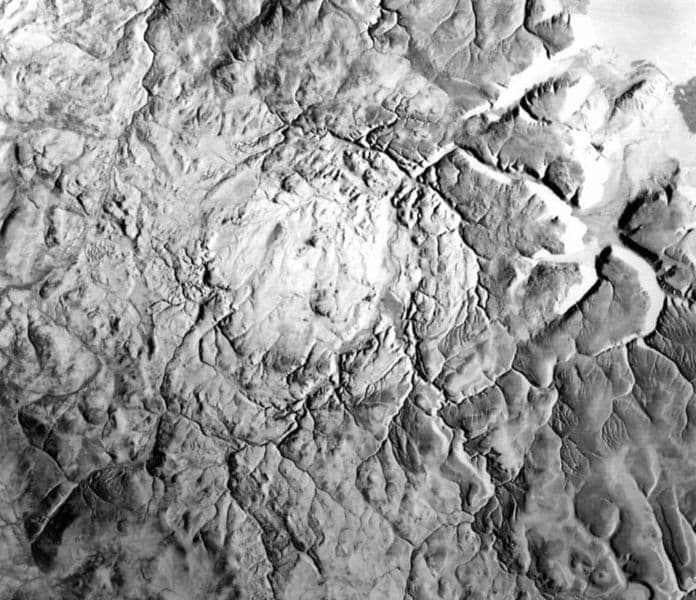
Haughton
The Haughton impact crater, located on Devon Island in far Northern Canada, is a significant geological site due to its well-preserved features resulting from its high-latitude, cold environment. Formed approximately 31-32 million years ago, it serves as a valuable terrestrial analogue for Martian impact craters, prompting extensive research by space exploration organizations.
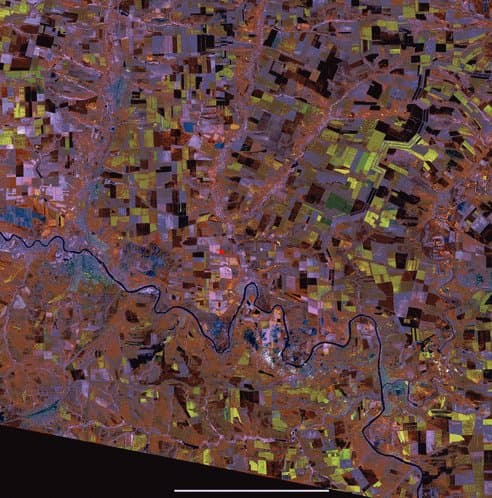
Kamensk
The Kamensk crater is a significant impact structure located in Rostov Oblast, Russia, approximately 10 to 15 kilometers north of Kamensk-Shakhtinsky town. With a diameter of 25 kilometers, its age is estimated to be around 49 million years old, dating back to the Eocene epoch. The crater is notable for being buried beneath the surface, making it invisible from ground level.