
Leopard gecko
The leopard gecko, scientifically known as Eublepharis macularius, is a ground-dwelling lizard native to the dry grasslands and deserts of South Asia. Renowned for its distinctive spotted pattern, it is a popular pet, often considered the first domesticated lizard species. These geckos possess unique features like movable eyelids and thick, fat-storing tails.
Key Facts
- ›Native to rocky, dry grassland and desert regions of Afghanistan, Pakistan, India, Iran, and Nepal.
- ›Possesses movable eyelids, a characteristic distinguishing it from many other geckos.
- ›Has a thick tail that stores fat for energy reserves.
- ›Can voluntarily detach its tail (autotomy) as a defense mechanism, with the tail regenerating later.
- ›Exhibits temperature-dependent sex determination during incubation.
- ›Considered one of the most popular pet lizards, with extensive captive breeding leading to diverse color morphs.
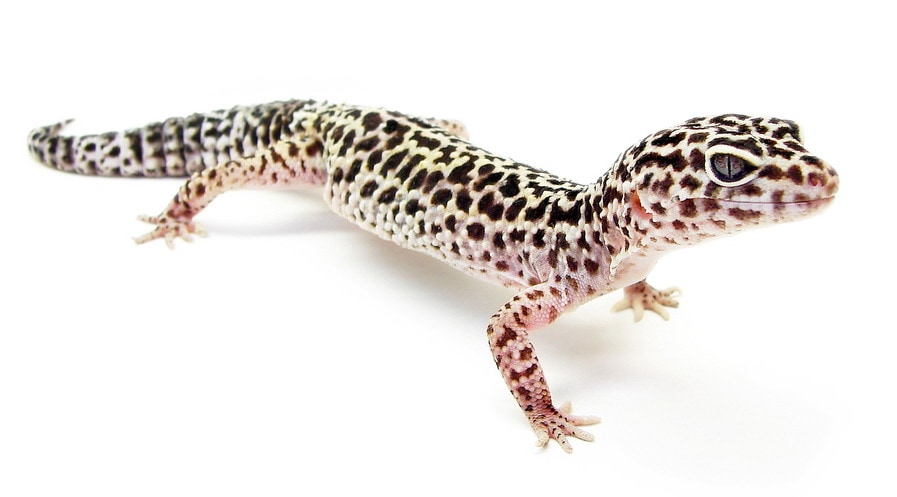
Common Leopard Gecko
Afghanistan, Iran, Pakistan, India, Nepal
- Small Lizards, Deriving Their Name From Spotted Coloration.
- Hatchlings Are 7-10 cm In Length.
- Adult Females Are 18-20 cm In Length, Weighing 50-70 Grams.
- Adult Males Are 20-28 cm In Length, Weighing 60-80 Grams.
- Toes Lack Adhesive Lamellae, Preventing Climbing of Smooth Vertical Walls.
- Distinctly Thick Tails Store Fat.
- Base Coloration Ranges From Yellow To Brownish-Orange With Spots.
- Skin Contains Xanthophores and Melanophores ; Designer Morphs May Have Erythrophores and Leucophores.
- Males Have Pre-Anal Pores and Hemipenal Bulges; Females Have Smaller Pores and Lack External Bulges.
Invertebrates, Small Vertebrate Prey
- Generally Considered Nocturnal, Retreating To Burrows and Hiding Spots During the Day.
- Become Active At Dusk When Temperatures Are Favorable.
- May Live In Loose Colonies In the Wild, Though Pet-Keeping Guides Often Describe Them As Solitary.
- Can Vocalize When Confronted By Predators.
- Exhibit Caudal Autotomy For Defense.
- Males Can Display Aggressive Behavior Towards Other Males and Courtship Behavior Towards Females.
- Engage In Brumation During Cold Winter Temperatures.
About Leopard gecko
The leopard gecko (Eublepharis macularius) is a ground-dwelling lizard native to the rocky, dry grassland and desert regions of countries like Afghanistan, Pakistan, India, and Nepal. It is widely recognized for its distinctive spotted pattern, which gives it its common name, and is often referred to as the first domesticated lizard species due to its popularity and extensive captive breeding.
Characteristics and Habitat
Leopard geckos are small reptiles, with adults typically measuring between 18 to 28 cm in length depending on sex. A defining characteristic is their movable eyelids, a trait that distinguishes them from many other gecko species. Unlike many geckos, their toes do not possess adhesive lamellae, meaning they cannot climb smooth vertical surfaces. They inhabit arid and semi-arid environments, preferring areas with clay or sandy soils and rocky shelters, and generally avoid pure sand substrates. During cold winter months, they undergo a period of semi-hibernation known as brumation.
Behavior and Diet
Wild leopard geckos are predominantly nocturnal, seeking shelter during the day and becoming active at dusk. They are opportunistic predators, feeding primarily on invertebrates but also consuming small vertebrates when available. A notable feature is their thick tail, which serves as a crucial storage site for fat, providing an energy reserve. For defense, leopard geckos can vocalize and possess the ability of caudal autotomy, allowing them to detach their tail to escape predators; the tail can regenerate, though the regenerated version may differ in appearance.
Reproduction and Domestication
Reproduction typically occurs in the summer, with females capable of storing sperm and laying multiple clutches. A unique aspect of their reproduction is temperature-dependent sex determination, where incubation temperatures influence whether offspring develop as males or females. Their ease of breeding in captivity and the development of numerous color morphs through artificial selection have cemented their status as one of the most popular pet lizard species worldwide.
Source: Wikipedia ↗
Frequently Asked Questions
What is the scientific name for the leopard gecko?
The scientific name for the leopard gecko is Eublepharis macularius. The genus name, Eublepharis, comes from Greek words for 'good eyelid,' referring to their mobile eyelids, and the specific name, macularius, is Latin for 'spot,' alluding to their spotted appearance.
Where are leopard geckos found in the wild?
Leopard geckos are native to the rocky, dry grassland, and desert regions of south-Asian countries including Afghanistan, Pakistan, north-west India, western Nepal, and parts of Iran. They prefer arid or semi-arid environments with sparse vegetation and clay or sandy soils.
What do leopard geckos eat?
Leopard geckos are opportunistic predators. Their diet primarily consists of invertebrates, but they will also consume small vertebrates like mouse pups and smaller reptiles when available. Cannibalism is often observed in poorly fed individuals.
How long do leopard geckos live?
In the wild, leopard geckos have an average lifespan of about 4.9 years. However, with proper care in captivity, they can live for over 20 years.
Are leopard geckos venomous?
No, leopard geckos are not venomous. They are docile reptiles that are popular in the pet trade.
What are some distinct physical characteristics of leopard geckos?
Leopard geckos are known for their spotted patterns, thick tails that store fat, and importantly, their movable eyelids, which set them apart from many other gecko species. They lack the adhesive lamellae on their toes that allow other geckos to climb smooth surfaces.
Do leopard geckos live in groups in the wild?
There is some debate on this topic. Academic sources suggest that leopard geckos may live in loose colonies in the wild, while some pet-keeping guides assert they are solitary. Their social interactions in their natural habitat are not definitively established.
How do leopard geckos defend themselves?
Their primary defense is to avoid detection through camouflage and by remaining hidden during the day. If confronted, they may vocalize. They also possess caudal autotomy, the ability to detach their tail to distract predators, which can then regenerate.
Related Lizards
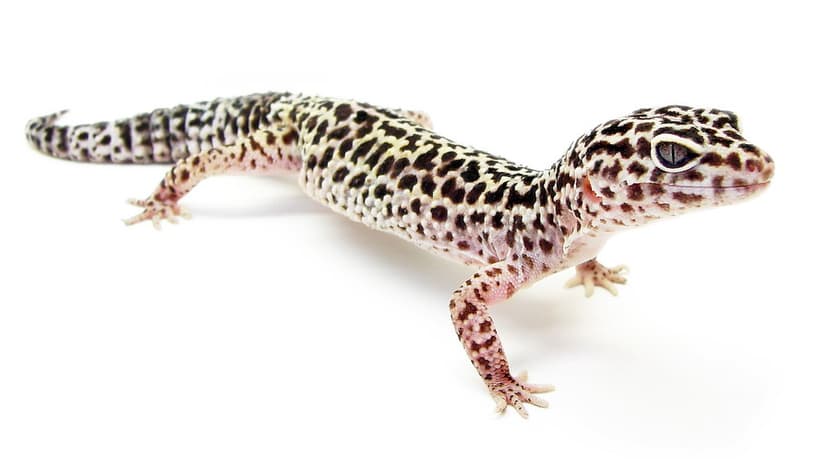
Eublepharis macularius
The leopard gecko (Eublepharis macularius) is a ground-dwelling lizard native to the dry grasslands and deserts of South Asia. Known for its distinctive spotted pattern, it is a popular pet and often considered the first domesticated lizard species due to extensive captive breeding. These geckos possess unique features like mobile eyelids and a thick tail used for fat storage.
Common leopard gecko
The common leopard gecko (Eublepharis macularius) is a ground-dwelling lizard native to the arid regions of South Asia, including Afghanistan, Pakistan, India, and Nepal. Known for its distinctive spotted patterns and thick, fat-storing tail, it is a popular pet, often considered the first domesticated lizard species. These geckos are primarily nocturnal and opportunistic predators, feeding on invertebrates and small vertebrates.

Varanus mertensi
Mertens' water monitor is a semiaquatic lizard native to northern Australia, known for its exceptional adaptation to aquatic life. This species is an opportunistic predator, feeding on a variety of aquatic and terrestrial prey, and is distinguished by its dark, spotted coloration and a strongly compressed tail. It plays a role in its ecosystem but faces threats from invasive species.